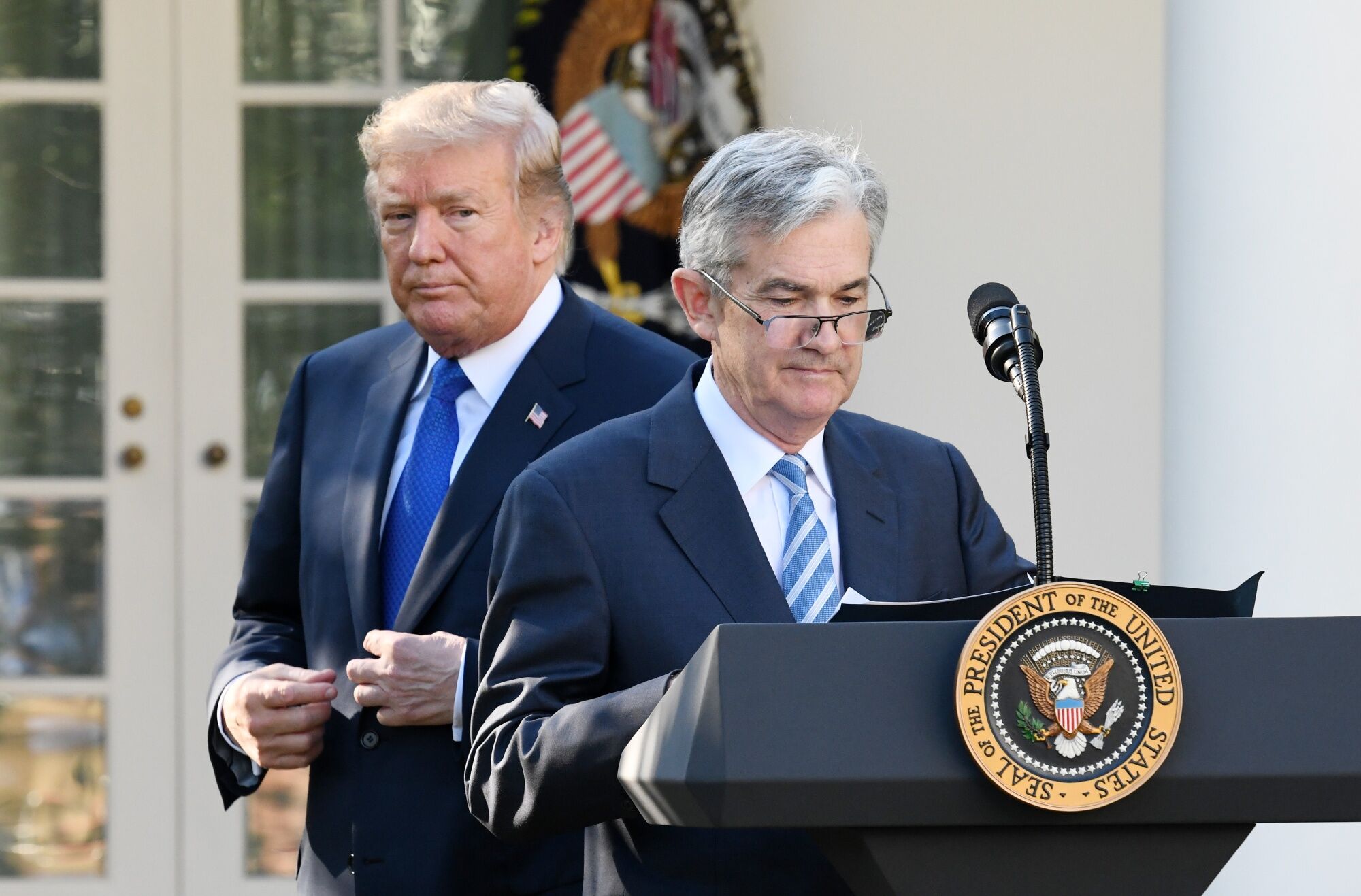
The Theater of Monetary Diplomacy: Trump and the Federal Reserve
Donald Trump, notoriously known for his verbal battles with the Federal Reserve during his first term, now appears to be playing a much tamer card—albeit with tones that barely conceal the chaos brewing beneath. Once branding central bankers “boneheads,” he now calls their rate decision “the right thing to do.” But if you’re expecting a peaceful truce between Trump and the Fed this time around, you might be sorely mistaken.
Behind the Scenes: A Calculated Muzzle or Genuine Restraint?
Critics might argue Trump’s newfound gentility toward the Fed is a tactical calculation rather than a sudden streak of presidential maturity. Why wield a wrecking ball against the Fed when his Treasury Secretary, Scott Bessent himself, has found subtler ways to coax the narrative? Bessent’s focus on long-term interest rates rather than overnight rates set by the Fed conveniently shifts Trump’s rhetoric away from high-voltage confrontations.
Still, let’s not pretend this shift comes without self-interest. The administration’s fiscal cocktail—tax cuts, tariff aggression, and an obsessive fossil-fuel push—demands a baseline level of cooperation from the Fed to help sell the mirage of economic growth. Yet, does this alignment actually hold any weight? Experts doubt it, with critics like Win Thin pointing to the inflationary vortex these policies could drag the economy into. This is fiscal stimulus mismatched to near-full employment, brewing its own storm.
The Ten-Year Yield Mirage
Bessent’s genius—or folly, depending on who you ask—lies in fixating Trump’s attention on the ten-year Treasury yield. By emphasizing this metric, deemed critical for real-economy borrowing (think mortgages and auto loans), Bessent carefully detaches Trump from Fed rate policy, creating the illusion of economic control while the underlying structure risks crumbling.
But is this a smoke-and-mirrors act with serious long-term implications? Markets have seen ten-year yields steadily decrease, dragged along by fears of impending economic slowdowns. As data reveals dismal consumer spending figures, it appears traders increasingly bank on the Fed shifting its priorities—hardly an endorsement of Trump’s erratic economic mixology.
The Silence That Speaks Volumes
Publicly, Trump has backed away from branding Jerome Powell as a scapegoat—at least for now. Behind closed doors? Bessent has acted as the voice of reason, preventing Trump from triggering a headline-grabbing constitutional crisis by sacking Powell prematurely. Instead, Trump’s playbook adopts a “patience” facade, reinforcing Powell’s independence—at least until his term ends in 2026.
This apparent decorum is not without underlying pressure. Powell, walking a tightrope, has made concessions, particularly in regulatory arenas. The Fed’s quiet exit from a climate risk coalition speaks volumes: perhaps an effort to preempt any seismic policy clashes as Trump rattles his perceived leash of power.
Will the Truce Stand the Test of Economic Realities?
As always, monetary policy remains hostage to broader economic narratives, and this saga is no exception. Strong labor markets and hovering inflation may currently justify Trump and Bessent’s hands-off stance toward the Fed. But make no mistake—any reversal in these metrics could violently redraw the battle lines.
The markets, Trump’s fragile scorecard, remain the restraining leash. Any hint of undue political meddling could trigger a market revolt that Trump cannot afford to risk. In this precarious dance of policies and optics, it is the unchecked volatility below the surface that remains the ultimate risk to both the economy and the global financial order.
Source: finance.yahoo.com/news/trump-dials-back-fed-bashing-110000184.html