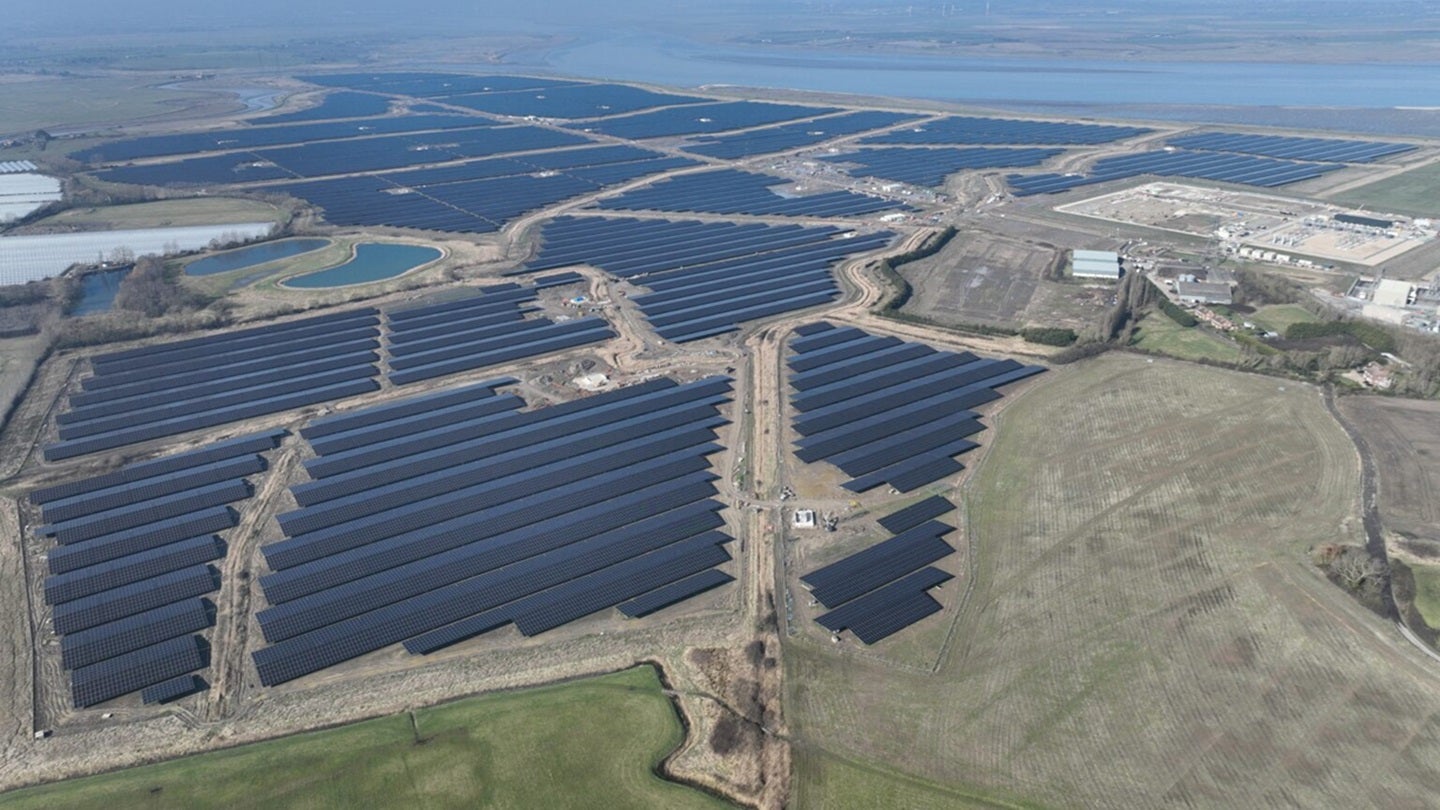
The Largest Solar and Battery Project in the UK: A Game-Changer?
In an era where energy transformation is no longer an option but a necessity, Quinbrook Infrastructure Partners has audaciously stepped forward to redefine the UK’s energy terrain. The Cleve Hill solar park, located in Kent, promises not just size but substance with its staggering 373MW solar and 150MW battery energy storage system. This isn’t just another energy project; it is a disrupter— a beacon amid the UK’s sluggish attempts at meaningful decarbonization.
With operations scheduled to kick off in 2025, this project is built on bold goals but faces equally bold scrutiny. It has secured a jaw-dropping £218.5m term loan bolstered by an additional £20m VAT facility from Lloyds and NatWest. For those who might overlook its significance, this financing represents the most extensive structure of its kind in the United Kingdom. But brooding under the surface, can it live up to the lofty promises of combating carbon emissions while providing ‘economic growth’?
Financing: Numbers or Responsibility?
Quinbrook’s managing director, Keith Gains, proudly touts this achievement as a cornerstone for large-scale development in the country. Yet the aggressive optimism raises eyebrows. The 15-year contract for difference auction scheme backs this venture with the largest award for a UK solar project. Partnering with Tesco through a major offtake agreement for 65% of the generation further secures its viability—or does it merely amplify concerns about monopolistic energy dependencies?
Furthermore, Quinbrook’s capacity market agreement includes keeping the grid stable during demand surges, guaranteeing over £480m in revenues. But where does this colossal economic spectacle leave local communities? The project’s claim of reducing carbon emissions by 142,000 tonnes in its first operational year suggests hope. However, hope is a fragile currency if transparency and accountability fail to materialize.
Ecological Promises: Reality or PR Stunt?
Among its glittering commitments is a pledge to deliver a net biodiversity gain of 67%. Admirable on paper, but who’s tracking the execution? British ventures have a concerning track record of celebrating headlines while neglecting their ecological duties. With Cleve Hill expecting to support 2,500 jobs and inject £114 million into the regional socio-economy, the promises are as appealing as the skepticism is unshakable.
Development consent from 2020 acts as a foundation, but questions linger: how many similar projects have over-promised and under-delivered? Will Quinbrook break free from past errors—or are we chalking another “green dream” against the pinstripe backdrop of corporate boardrooms?
The Bigger Picture: Energy Monopoly or Sustainability Gateway?
This record-breaking project brings crucial questions into focus. Are these projects truly about the climate and community, or are they armor for unstoppable financial empires? The Mallard Pass acquisition, boasting an impressive 350MW capacity, follows closely behind Cleve Hill, signaling Quinbrook’s ambitions to dominate market headlines. But does such dominance choke competitors and diversity in Britain’s energy future?
What unfolds next matters beyond statistics; it touches the core of public values. Will Cleve Hill lead a revolution in renewables or serve as a stark reminder of the disconnect between corporate energy expansions and authentic climate accountability? The stakes couldn’t be higher, and the UK’s energy narrative waits for its next chapter.
Revealing the Underlying Battle
The Cleve Hill endeavor undoubtedly signifies progress on the surface. Yet, beneath its megawatt facade lies a critical debate: can profit-driven models ignite transitions without marginalizing ecological and local economic genuineness? It reflects the global predicament of reconciling corporate ambitions with substantive carbon mitigation measures. As 2025 looms, public vigilance must match public relations if this project is to stand as a true model of decarbonization rather than a symbol of energy elitism.
Source: finance.yahoo.com/news/quinbrook-closes-financing-cleve-hill-152828176.html