The Sham of Global Trade Wars: Oil’s Fragile Dance
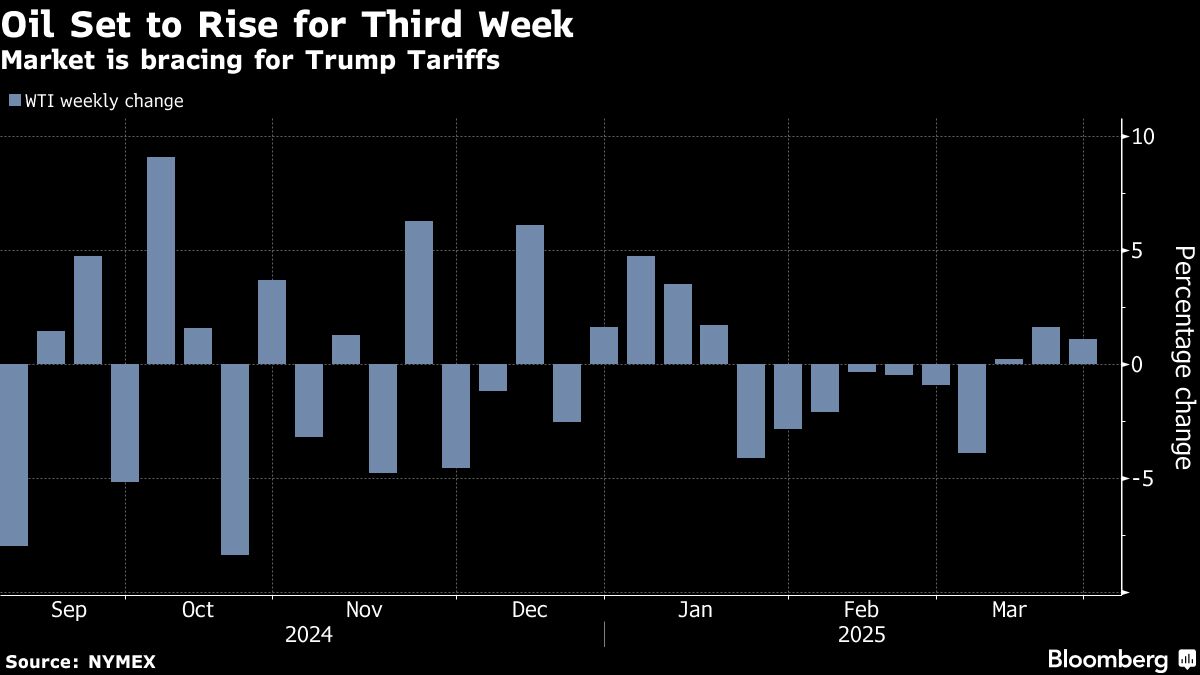
Yet again, the markets crumble under the weight of political theatrics. Crude oil prices, supposedly the cornerstone of global energy stability, teeter precariously as trade-war policies clash with reality. The Trump administration’s “tariff onslaught,” an unapologetic power play, has triggered widespread fears of dwindling energy demand. West Texas Intermediate crude prices slipped below the $70 mark—a symbolic reminder that reckless policies hurt more than just the numbers on a trading screen.
This relentless cycle has spared no one. While oil claws its way back to a third straight weekly gain, the panic prevails across equity markets swamped by uncertainties. Supply adequacy and OPEC+ strategies mean little when tariffs on auto imports and so-called “reciprocal levies” skew every forecast. The message is clear: markets, already strangled by the chaos of geopolitical bullying, require more than vague reassurances.
Trade Fueling Wreckage: Economic Power Plays or Irresponsible Gambits?
In the echo chambers of trading floors, crude oil speculators struggle with a bleak reality. Since Trump’s tariffs started to hammer global trade, the futures market for West Texas Intermediate has been stuck in a maddening $15 range, unable to break free of the ominous high $60s and low $80s shackles. Why? Because empty promises and political flag-waving do not make sound economic strategies.
Low demand forecasts are eating away confidence while nations like Venezuela adjust to sanctions by redirecting exports—a lifeline to countries like China. For all the back-patting over domestic policies, the broader picture reveals an administration pushing markets further into chaos with each impulsive decision. What’s the price of these moves? An economy stretched to its limits, unstable oil prices, and global partners forced into desperate recalibration.
OPEC+ Meets Tariff Turmoil: A Formula for Mayhem?
A cartel laced with vested interests, OPEC+ attempts to “revive output” amid supply anxiety, yet these efforts are a whisper in the face of tariff-induced discord. Industry professionals like Dennis Kissler of BOK Financial Securities openly acknowledge the doom looming over financial markets. The moment tariffs on non-domestic automobiles entered the arena, long-term fears over dwindling demand became insurmountable.
The global oil sector lets out a collective sigh as government leaders turn critical industries into tools for political one-upmanship. Tariffs should strengthen national industries, but what happens when those measures backfire, amplifying economic instability worldwide? Neither crude traders nor emerging economies can pretend otherwise—this isn’t strategy, it’s sabotage.
A Balancing Act the Markets Never Asked For
Meanwhile, oil-exporting countries like Venezuela exploit every pathway left open amidst sanctions. With Chinese markets growing into reluctant allies, the U.S. trade sanctions serve less to discipline rogue economies and more to showcase the cascading failures of knee-jerk policies. What precisely is achieved by burdening both allies and rivals alike with economic strain?
True economic resilience requires measured actions, something conspicuously absent as international partnerships fracture under continuous tariff wars. Trying to squeeze the entire world into complying with ill-conceived directives has turned the United States from the proverbial shining city on a hill to just another despot throwing the global marketplace into disarray.
The Forecast Remains Dangerous
The future for oil remains as murky as ever. While industry leaders argue about near-term plans, the lack of cohesive strategy deepens the cracks. Traders hesitate, nations reroute exports, and rival economies capitalize on American blunders. The folly of such reckless strategy begs the question: is this really the path toward economic superiority, or a short-sighted lunge into irreversible damage?
Source: finance.yahoo.com/news/oil-poised-third-weekly-gain-113525923.html