Chaos Unleashed: Trump’s Tariff Gamble Backfires
Another day, another crisis of catastrophic proportions. The so-called “Liberation Day” by President Donald Trump has indeed unleashed a form of liberation – a liberation of billions of dollars straight out of brokerage accounts across the nation. A blanket 10% tariff slapped on all imports, coupled with higher taxes on major trading partners, sent shockwaves through the markets. Investors didn’t just react—they panicked.
Before futures trading even began, after-hours numbers revealed a bloodbath. Shopify plummeted a gut-wrenching 9%, while tech behemoths Tesla and Apple lost a crushing 7% each. Nvidia was hit for 5%, and the other “Magnificent Seven” stocks that ignited bull markets in 2023 and 2024 were mauled beyond recognition. This brutal market smackdown is unlike anything in recent modern history, leaving the American economy teetering on the edge.
The Economic Experiment Nobody Asked For
Here’s the harsh reality: this carnage isn’t some market anomaly. It’s a deliberate, calculated move by the Trump administration, asking Americans to endure “economic pain” in the interest of long-term benefits that sound suspiciously like pipe dreams. With promises of reshoring businesses, rebuilding manufacturing, and reducing dependence on imports, the administration unleashed tariffs as a supposed cure-all. But when does the pain stop being “temporary,” and who even benefits from this chaotic experiment?
On paper, the rebuilding of America’s manufacturing base sounds patriotic. In reality, the immediate aftermath paints a grim picture, one filled with red numbers, crippled investments, and consumer despair. But perhaps this crisis was the plan all along—whether cleverly disguised or brutally incompetent.
Warren Buffett’s Contrarian Wisdom Amid Market Despair
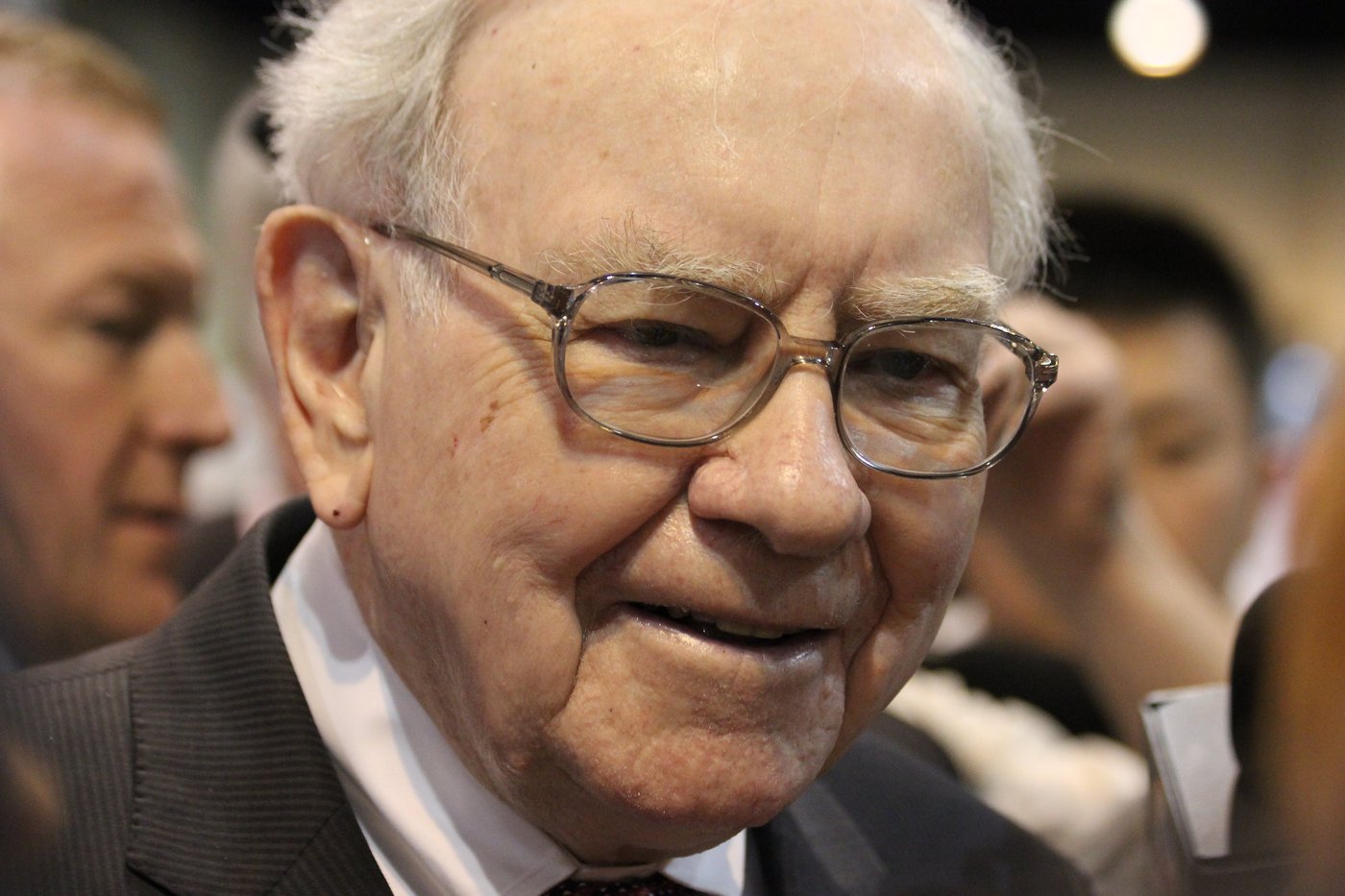
Enter Warren Buffett, the 94-year-old champion of long-term investment. While billions evaporated overnight, Buffett’s timeless lessons echo like a lone voice in a chaotic sea of doubt. His counterintuitive approach may seem peculiar: celebrate falling stock prices, buy more when markets tank, and ignore short-term perception—the essence of true value investing.
“When it goes down, we love it,” Buffett famously said. But let’s not sugarcoat the current reality: most investors don’t possess the patience or fortitude to endure “loving” a collapsing market, nor are they billionaires riding waves of privilege. Tesla CEO Elon Musk similarly chimed in with his simplistic reassurance: “It’s still the same company.” Unfortunately, comforting one-liners don’t halt financial losses or restore lost confidence.
Buy American: A Gamble or Foolproof Faith?
Buffett’s unshakable faith in the American economy carries an undeniable gravitas. Time and again, he doubled down on the mantra of “Buy American,” urging resilience in the face of chaos. But even Buffett’s unwavering optimism can’t preclude the glaring risks. Tariffs—whether fleeting or permanent—add fuel to the uncertainty already seething through an overextended system.
True, America has historically outperformed its global counterparts. Innovation and resilience define its core. Yet, with the economic landscape violently shifting under “Liberation Day’s” massive disruptions—can this relentless optimism win out? The system’s fragility is on full display, and the eventual rebound isn’t guaranteed to mimic historical recoveries. A history of past successes doesn’t promise future salvation.
Self-Inflicted Turmoil or Tactical Masterstroke?
Forget the diplomatic niceties. What we’re watching play out isn’t strategy—it’s chaos born from audacity. The theory of enduring short-term agony for nebulous long-term rewards hinges precariously on wishful thinking. Markets thrive on stability, not knee-jerk experiments disguised as economic policy. How much more pain are investors and middle-class Americans expected to shoulder before alleged “benefits” emerge?
This isn’t just about tariffs reshaping markets; it’s about a government recklessly gambling with livelihoods as if they were chips in a casino. When ordinary people lose their savings or businesses fold under the pressure of increasing costs, who will shoulder the blame? Certainly not the architects of this disaster, who weaponized patriotism to justify unchecked economic havoc.
A Fragile Economy in the Crosshairs
The aftermath of this reckless policy might echo through generations. Entire sectors are destabilized, investor confidence shattered, and foreign allies alienated. And yet, the administration remains defiant, touting delusions of economic independence while hiding behind a façade of resilience. Meanwhile, everyday Americans wrestle with crumbling portfolios, rising costs, and a deepening sense of despair.
In the end, what are we left with—an enduring economy or a cautionary tale of arrogance unchecked? Time will write the rest of this debacle’s story. Until then, the American people are left to wrestle with promises of growth buried beneath the rubble of “Liberation Day.”
Source: finance.yahoo.com/news/panicking-over-trumps-tariffs-2-004900538.html