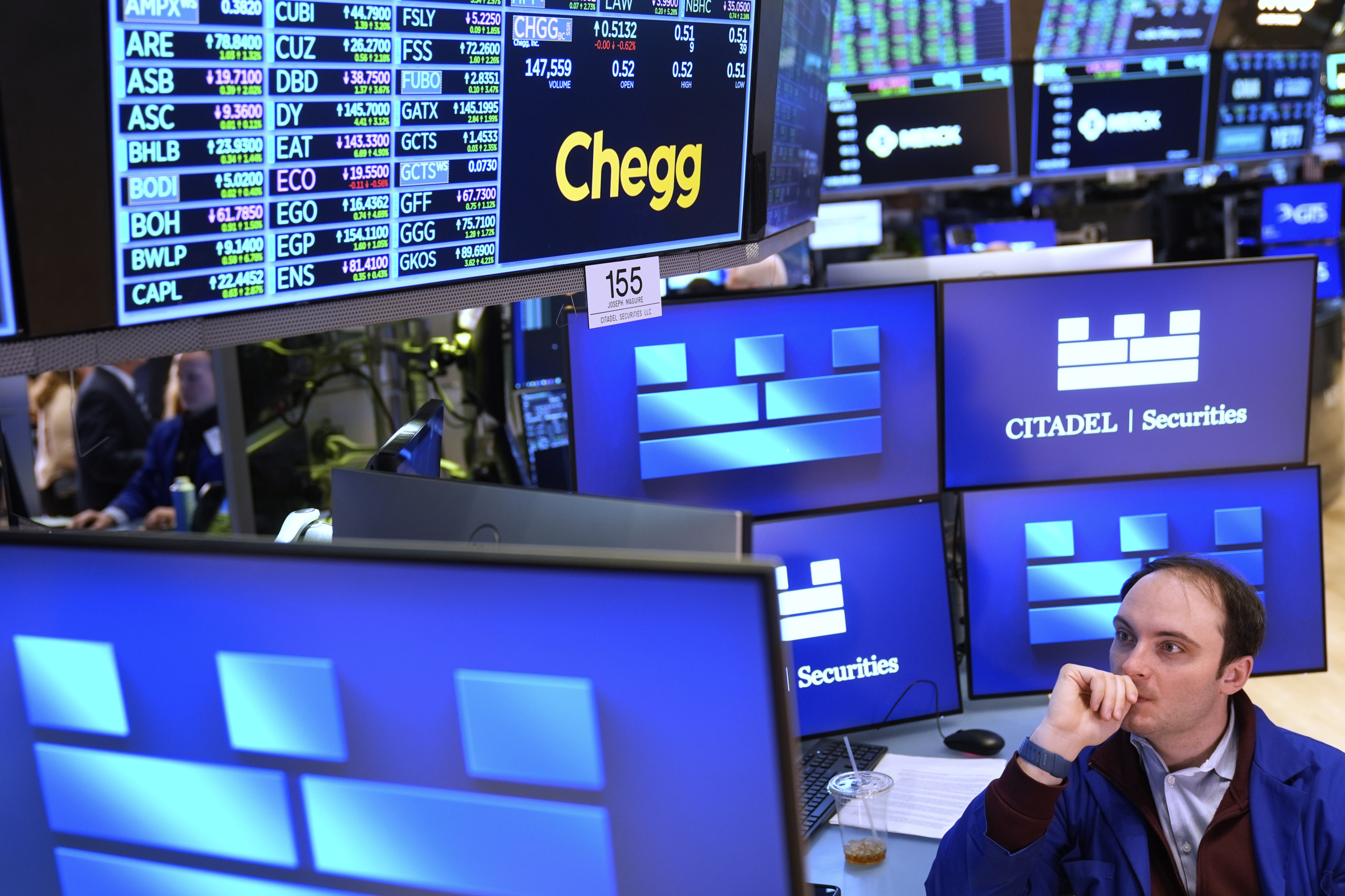
Wall Street Turmoil Under Trump’s Tariff Shadow
The tension gripping Wall Street has skyrocketed following President Trump’s tariff spree, an event that has thrown a monkey wrench into the gears of the financial world. Initial Public Offerings (IPOs) and mergers, those lifelines for corporations and investors alike, are not just delayed – they’re outright frozen. Even the usually lucrative bond market has slammed its brakes, with no investment-grade or high-yield bonds making an appearance for days. The suffocating pressure of credit spreads widening and recession fears lurking behind every corner paints an ominous picture for corporate America.
No Loans, No Safety: A Financial Breakdown
As if the situation wasn’t precarious enough, leverage loans and buyout financings have been all but sidelined. Banks and lending institutions tiptoe nervously, fearing they won’t be able to offload these loans to investors. The ripple effects are catastrophic. Junk debt? Stuck. Private credit? On life support. Companies staring down the barrel of maturing debts are grappling with borrowing rates that threaten to choke them out of existence. The twisted irony? The higher the rates, the closer the economy edges toward the cliff of defaults.
Unstoppable Chaos as IPOs Vanish
Where are the IPOs? Nowhere – and for good reason. Giants like StubHub and up-and-coming fintech players like Klarna and Chime have hit the brakes on their public offerings, reluctant to march into an unpredictable market. Even prominent players like eToro Group and MNTN Inc. have joined the exodus. Investors are paralyzed, founders are anxious, and the entire market dances on a knife’s edge of volatility. In what should have been booming quarters, the IPO pipeline instead collects dust.
The Big Banks Scramble to Stay Afloat
CEOs from economic titans including Bank of America and Citigroup scrambled into an emergency huddle over the weekend, certainly not to toast successes but to strategize their survival as credit markets crumble around them. The chaos hits just as these massive institutions prepare to unveil what are expected to be sour first-quarter earnings. With financial analysts already predicting a slump for headliners like JPMorgan Chase and Goldman Sachs, optimism in profitability is about as likely as snow in the desert.
Unanswerable Questions, D.C. to Blame
Forget turning to Wall Street executives for answers – they are as helpless as the public. Questions about the future of the market rest not with CEOs but with the politicians in Washington, a stark reality pointed out by financial analysts. The tariff-driven instability, compounded by an absence of confidence in economic policies, leaves the financial elite clasping at straws rather than steering markets. Ultimately, management teams hold little control over an increasingly chaotic playing field.
Faltering Growth and an Uncertain Road Ahead
The carnage doesn’t stop here. Across the spectrum, growth expectations dim further, with even the most bullish individuals slamming on the brakes. Analysts have downgraded big-name banks to mere “in-line” status. Capital market activity struggles to resurface from its coma, and loan growth is seeing incremental declines as both businesses and consumers pull back. Meanwhile, the specter of charge-offs only grows bigger, threatening to destabilize both commercial and consumer portfolios. It is a textbook case of prolonged damage in the making.
Stability: An Elusive Dream
Angela Lee, a Columbia professor, summed it up brutally: “We are at an incredibly unstable place.” The market upheaval underscores this dire situation, as uncertainty reigns supreme. The stakes for Wall Street institutions, corporate executives, and everyday investors haven’t been this high in years. With the financial world caught in a whirlwind of terrifying unpredictability, the elusive goal of stability feels more like a distant fantasy than a foreseeable reality.
Source: finance.yahoo.com/news/signs-of-wall-street-stress-pile-up-amid-trump-tariff-turmoil-160857268.html