Gold’s Chaotic Ride: From Record Peaks to Crashing Lows
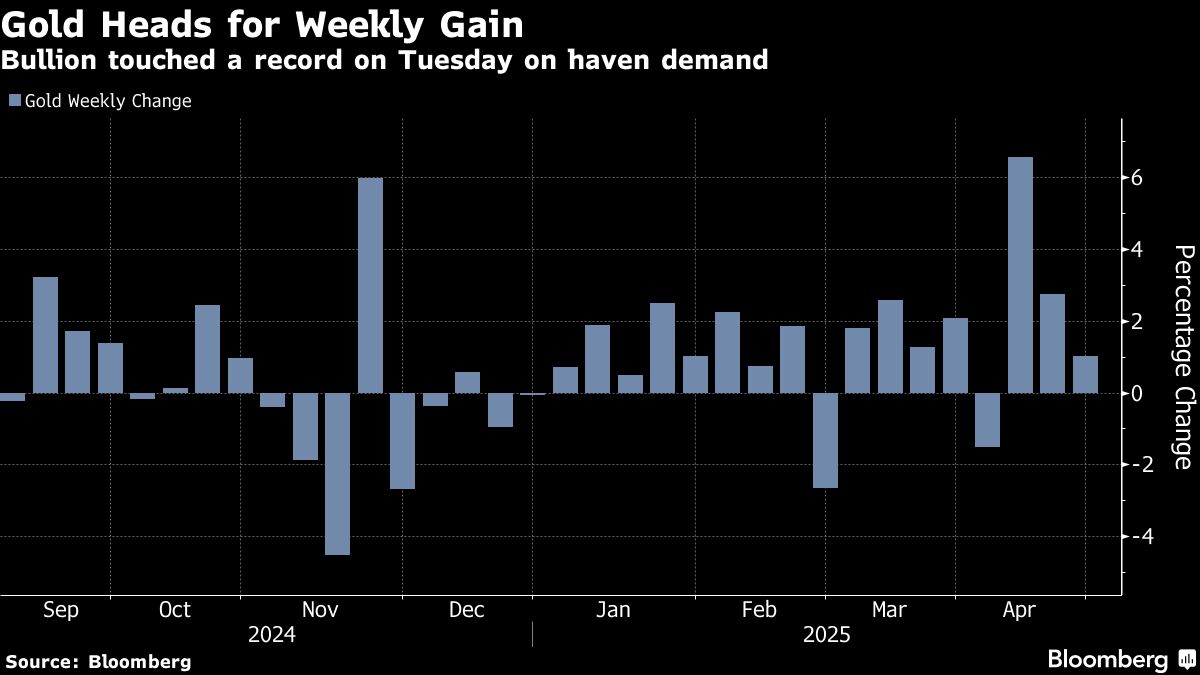
The notorious ebb and flow of gold prices has once again stolen the spotlight, leaving investors nervously clutching their portfolios. What began as a week promising to cement gold’s dominance above $3,500 an ounce quickly disintegrated into another market disappointment. By week’s end, gold took a punishing dive, plunging 2.3%, closing at an unsettling $3,271.34 an ounce. This marks the third drop in just four sessions, raising questions about the illusion of stability in the precious metals market.
Behind this dramatic recalibration lies a cacophony of global events. China, apparently reconsidering its punitive 125% tariff on select U.S. imports, stirred the market into mayhem. Meanwhile, former U.S. President Trump decanted mixed rhetoric during an interview, dangling vague promises of trade triumphs while cryptically casting doubt on Chinese negotiations. Such erratic signals only fueled disorder, inevitably pummeling gold’s seemingly unstoppable ascent.
Tariffs, Deals, and the False Promises of Stability
When will the theatre of trade wars end? Trump’s speculative comments claiming partnerships will soon yield “lower tariffs” feel more like a smokescreen covering up gross miscalculations. While whispers of partial tariff exemptions buoyed sentiment briefly, they were not enough to keep gold investors from panic-selling. Yuxuan Tang, a strategist at JPMorgan Private Bank, ominously remarked that these headlines allowed gold to tumble while raising hopes for short-term rebounds. Yet, the market’s taste for precious metals, backed by central banks and bullish retail interest, paints a murky picture of inescapable volatility.
The Havens That Failed
For years, gold has sold itself as the quintessential “safe haven,” thriving in times of economic tremors. But 2025 has turned that narrative on its head. Emboldened by unstable trade policies and erratic macroeconomic shifts, investors found themselves staring at a 25% annual increase in gold prices—now precariously hanging by a thread. Supporters of the bullion market point to extensive exchange-traded fund inflows and steady demand in China as indicators of strength. However, this week’s rapid declines expose a glaring reality: investor sentiment is as fragile as the promise of fair trade deals.
Silver, Palladium, and the Story of Collapse
Few could have predicted the domino effect this week would unleash on other precious metals. Silver, platinum, and palladium joined the landslide, mirroring gold’s fall from grace. Across the board, the rush to sell off safe-haven assets left analysts scrambling to justify their earlier optimism. But justification does little to mend the gashes these metals’ prices have suffered. Confidence in the shine of gold and its counterparts? Tarnished indefinitely.
The Mirage of Progress
Central to the chaos is the facade of progress sold to global markets. China’s alleged readiness to trade peace for tariff relief failed to anchor optimism, reflecting the hollow assurances that have plagued international agreements. The Bloomberg Dollar Spot Index’s modest 0.2% gain wasn’t enough to salvage the precious metal market. The era of rhetoric over reliability has turned gold’s ascent into nothing more than market manipulation elite investors continue to profit from, while everyone else endures crushing losses.
A Lesson in Market Fragility
The overarching theme from this explosive week is painfully clear: gold’s glittering facade is nothing more than a mirage. While central banks and retail investors pour resources into a commodity they believe is immune to fallout, the reality betrays every assumption. Once again, investors are looking at gold’s sinking reputation, questioning if this “pillar of stability” was ever more than a brilliant facade.
Source: finance.yahoo.com/news/gold-sinks-trade-signals-volatile-055025265.html