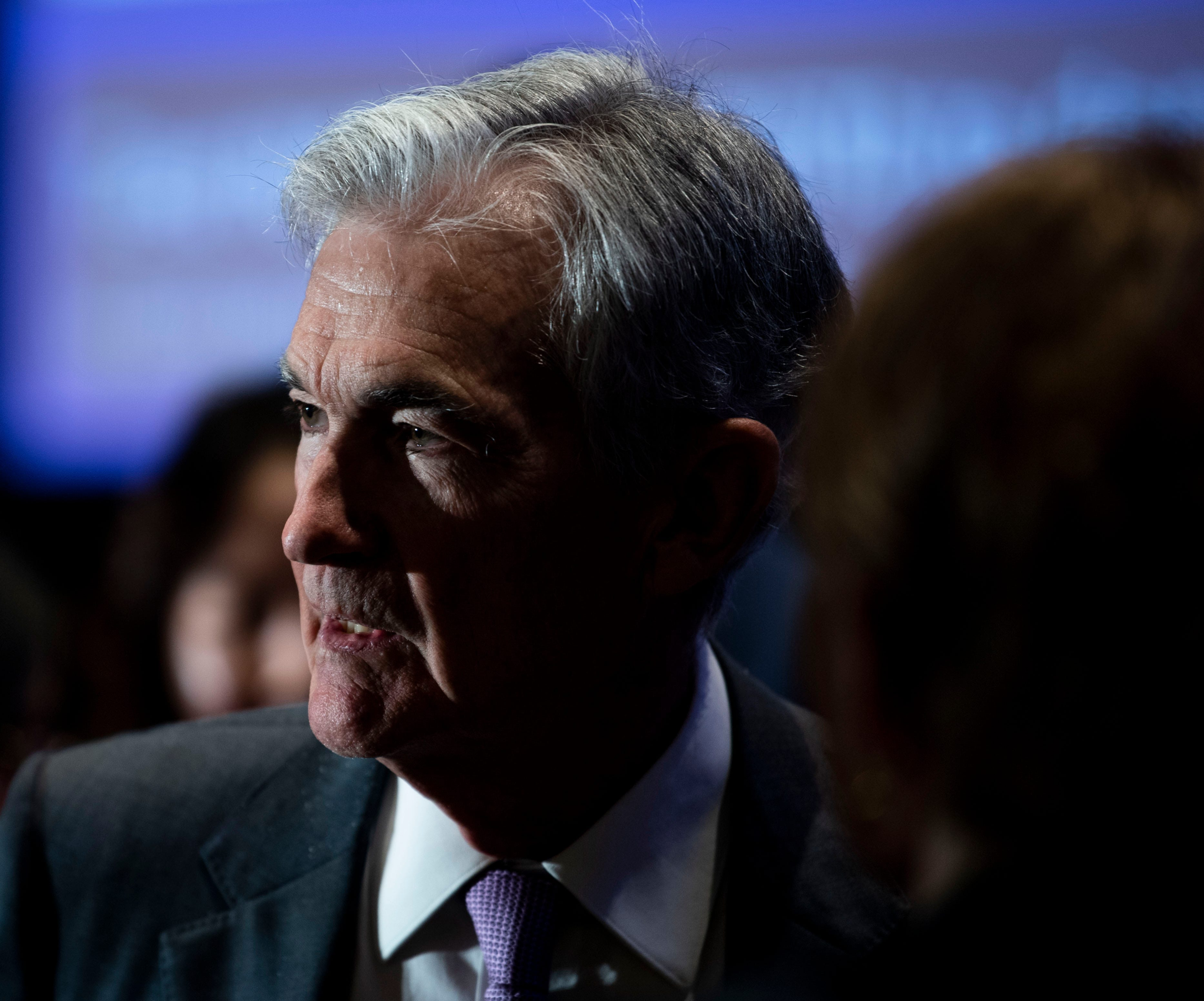
The Economic Chaos: Trump vs. Powell
A tumultuous feud brewing between President Donald Trump and Federal Reserve Chairman Jerome Powell illustrates a chaotic economic landscape. Trump’s relentless name-calling, labeling Powell as a “major loser,” is the theatrical rage of a leader placing blame squarely on the Fed rather than owning up to his administration’s recklessly imposed tariffs and standoffish trade policies. The worst Dow performance for April since 1932 proves the market’s tolerance for unpredictability is drying up.
While Trump toys with the idea of rate cuts as a favor to his presidency rather than an informed economic strategy, Powell has remained unshakeable. Yet, the whispered threats of Powell’s dismissal drive chills through both Wall Street and our faith in central bank independence. Is this the price of presidential tantrums?
Trousers-On-Fire Economics: Trump’s Rate-Cutting Obsession
Demanding preemptive rate cuts, Trump tightens his grip on controversial economic theatrics. Complaining that inflation barely exists, the president echoes an argument contradicted by economists clinging to data proving otherwise. Economists warn: cutting rates recklessly could erode market confidence and unleash long-term financial instability. But Trump, brushing those risks aside, declared Powell’s termination can’t come fast enough.
What’s lurking in this tactic? Blaming Powell serves two functions: absorbing potential fallout if the recession becomes undeniable and selling illusions that presidential meddling somehow equals prosperity. Do citizens deserve economic strategy crafted by vendettas?
Wall Street’s Losing Bet on Powell’s Independence
Investors’ faith in the central bank’s sovereignty wavers under the strain of Trumpian threats. Flashbacks to Richard Nixon’s manipulation of the Fed, which led to catastrophic inflation in the 1970s, fuel the fear that political interference still carves pathways toward economic decay.
The uncertainty is staggering—Trump amplifies volatility, Powell defends data-driven policies, and American consumers brace themselves to foot the bill for reckless tariff wars. Global investors foresee weakened bonds and elevated inflation overshadowing naive rate-cutting experiments. Was independence the Fed’s Achilles’ heel all along?
A History Lesson Ignored: Reckless Tariffs Rise Again
With Trump’s administration careening toward history’s darker chapters, the newly imposed 25% tariffs on imports from Canada and Mexico take center stage. Far from creating leverage, Trump’s tariffs spook markets already overburdened by inflationary fears. Economists project these stunts are manufacturing conditions ripe for recession rather than resolution.
Under the guise of trade progress, this chaotic economic game endangers the foundation of cooperative global partnerships. Is the scriptwriters’ seat in Washington now permanently reserved for hubris?
Recession Roulette: Who Will Take the Fall?
The president’s chessboard of blame is crystal clear. Powell, painted as the scapegoat, will carry the cross for future economic turbulence. Echoing Nixonian tactics, the groundwork for sacrifices is being laid early. As global confidence erodes, Powell’s tenure is reduced to a shield against accusations of administrative incompetence. By challenging norms at every turn, Trump weaponizes denial as strategy, dragging an already-stagnant economy toward greater uncertainty.
But to fire Powell outright? Unprecedented and legally dubious, analysts predict such an act would end up deliberated by the Supreme Court. Even so, the mere suggestion creates an environment steeped in distrust for the Federal Reserve’s ability to follow its independent mandates.
Under the Tariff Tyranny: The Consumer’s Burden
While Wall Street counts its losses, everyday Americans feel the brunt of spiraling economic policies that only tighten the cost-of-living noose. Household savings diminish in value as inflation refuses to retreat despite rate-hike experimentation. Fixed mortgages and consumer essentials grow substantially dearer—a direct squeeze on the middle class of Trump’s America, touted as his priority but now left bearing the brunt of reckless policies.
The tariffs draining economic lifeblood deflected clarity away from accountability. After all, in Trump’s reality, responsibility is a game of hot potato; he won’t keep hold of it long enough to face the consequences.
Source: finance.yahoo.com/news/trumps-fed-feud-why-interest-161945615.html