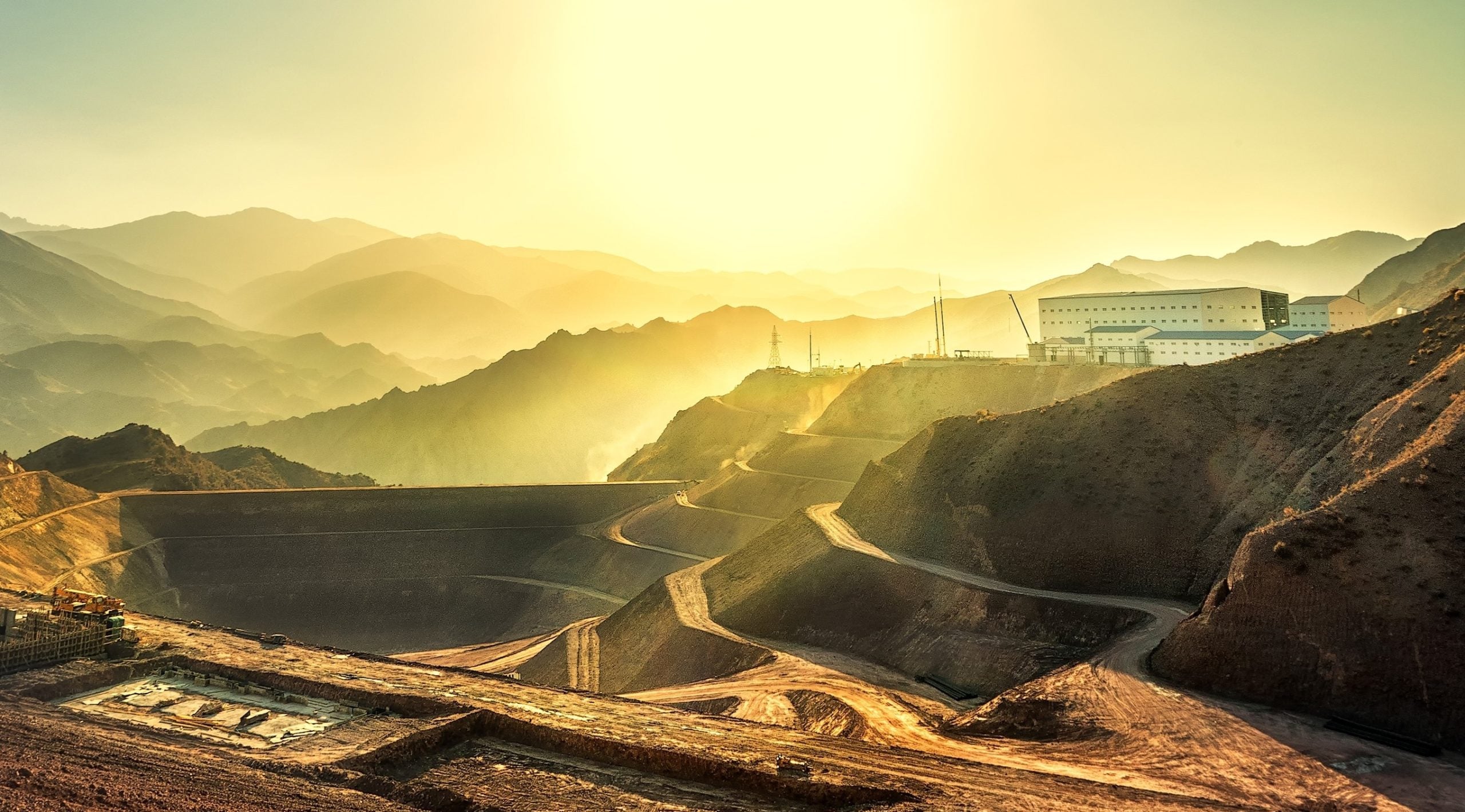
A Wake-Up Call for Mining: The Hidden Dangers of Tailings
In the mining industry, the production of tailings has become a glaring symbol of inefficiency and environmental negligence. Each year, a staggering 14.5 billion tonnes of these hazardous materials are generated, posing a persistent risk to ecosystems and communities alike. The reality is both sobering and urgent: this material, often brimming with toxic chemicals, needs to be stored indefinitely under conditions that frequently defy safety protocols.
The Grim Reality of Tailings Storage
Tailings, the byproduct of mining activities, are not merely waste; they are a cocktail of neglected minerals and heavy metals waiting to unleash their destructive potential. Simon Jowitt, a seasoned geologist, points out that the challenge of safely managing this overflow is escalating, as current practices fall short. Poor storage solutions lead to catastrophic failures, as seen in notorious events like the Brumadinho disaster, which epitomized the catastrophic outcomes of mismanaged tailings.
Innovation or Illusion? The Quest for Tailings Repurposing
While the notion of repurposing tailings sounds appealing, it invites skepticism. The mining industry is notoriously resistant to transformative change, often failing to meet the practical demands of repurposing initiatives. Emma Gagen from the International Council on Mining and Metals (ICMM) asserts that, without robust management practices, tailings continue to jeopardize both the environment and society. The introduction of the Global Industry Standard on Tailings Management heralds a glimmer of hope, yet action on the ground remains sluggish.
A Fresh Hope: The Emergence of OreSand
Amidst the chaos of tailings, a glimmer of innovation arises with OreSand, a visionary endeavor that seeks to convert mining waste into a commercially viable byproduct. Under the guidance of Professor Daniel Franks at the Sustainable Minerals Institute, this initiative presents an alternative vision for tailings management by transforming them into useful sand. The ambition is lofty but critical, considering the soaring global demand for sand in construction.
Confronting the Stubborn Truth of Mining Waste
The mining sector’s waste inefficiencies are monumental. The vast majority of extracted materials become tailings, an inconvenient truth that raises questions about mining’s role in the wider sustainability debate. As global demand for renewable energy drives the need for critical minerals, the mining industry must confront its waste head-on, or risk becoming a relic of the past.
Financial Profits versus Environmental Costs
Mining companies flirt with profit while bypassing their moral obligation to protect the planet. The promise of revenue from critical metal extraction only scratches the surface of what truly needs to be addressed. The dialogue around “not-for-profit mining” is gaining traction, suggesting a radical shift is needed—one that prioritizes environmental remediation over short-term gains.
The Future of Tailings: A Call for Responsibility
The conversation surrounding tailings management transcends corporate interest; it is a communal challenge that directly impacts public safety and environmental integrity. With tragic precedents looming large, the need for comprehensive reform within the industry is as urgent as ever. The potential for wealth generation from waste is not merely an abstract notion; it must become a tangible reality that drives policy and practice alike.
In a rapidly changing world, the mining industry stands at a crossroads. The question remains: will it take bold steps towards sustainability, or will it continue to turn a blind eye to the legacy of destruction left in its wake?
Source: finance.yahoo.com/news/approach-dealing-dangers-tailings-135301587.html