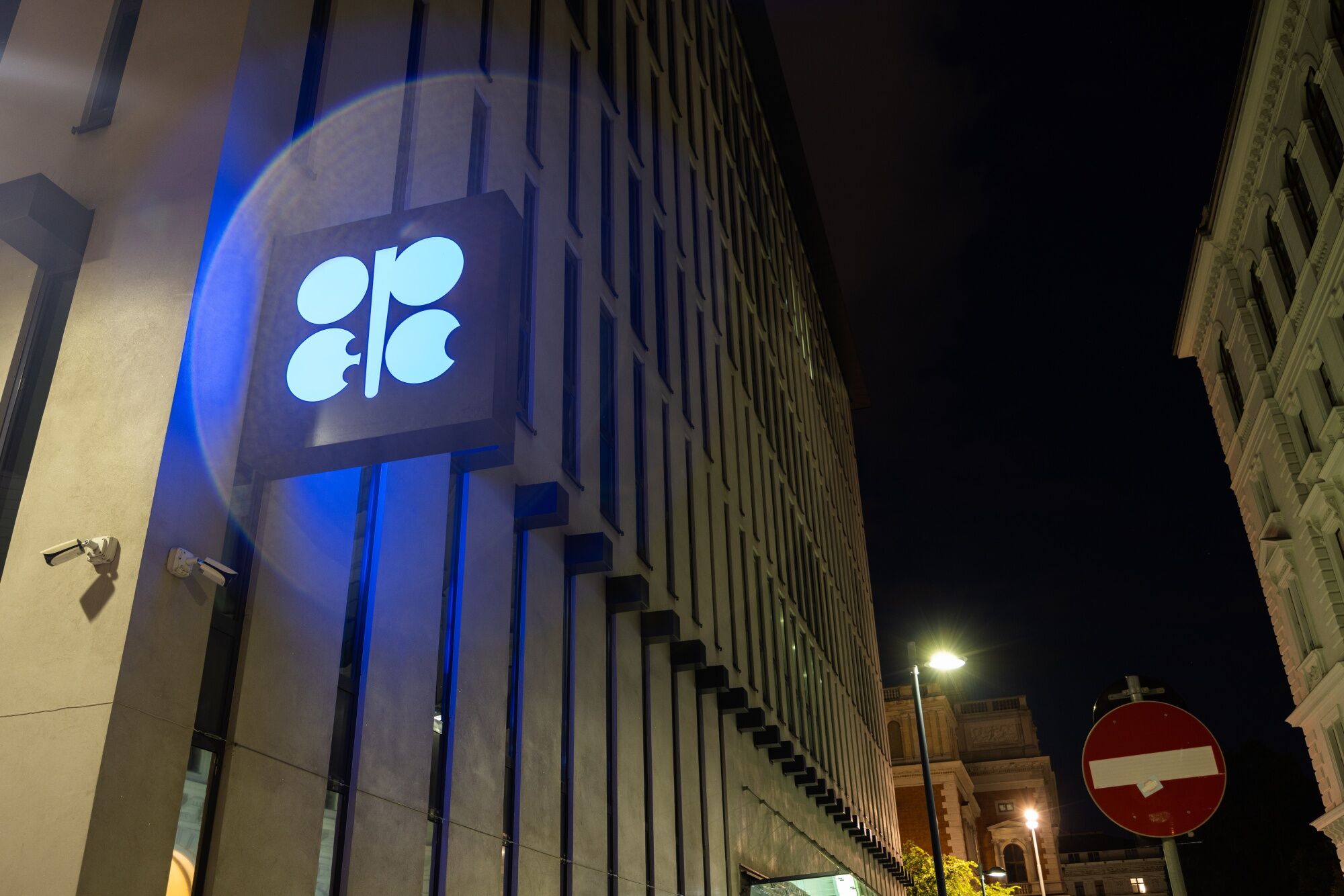
Chaos Reigns: OPEC’s Bold Moves in Oil Production
In an audacious twist, OPEC+ is ramping up oil production faster than anticipated, leaving analysts scrambling to make sense of this radical shift. As summer demand soars, the coalition, spearheaded by Saudi Arabia, is setting the stage to reclaim lost market share. This isn’t just a minor adjustment; it’s a clarion call to the oil market and it screams of ambition, strategy, and perhaps a hint of desperation as the stakes rise.
The Numbers Tell the Story
During a virtual meeting, the key alliance members set a bold target to increase supply by an impressive 548,000 barrels a day. This move marks a clear departure from the cautious output cuts of the past, a strategy that was only recently touted as vital for stabilizing market prices. With this decision, the group is on track to wind down their recent cuts a full year ahead of schedule. It’s a high-risk gamble that could reshape the landscape of global oil production.
Market Manipulation or Economic Necessity?
The rapid shift back to increased production has raised eyebrows. After years of self-imposed limits, OPEC’s strategy pivot seems to do more than just respond to market conditions; it aims for outright domination. The cartel’s narrative hinges on a “healthy market” with low inventories, yet the underlying motivations tell a different tale—amid fears of oversupply, they’re pushing to dig back into the market share that’s tilted in favor of U.S. shale producers.
Implications of an Overzealous Market
With predictions of an oversupply looming later this year, the consequences of these production increases could ripple across the economy. Brent crude prices have already seen a decline of 8.5% in 2025, as the lifting of output cuts exacerbates the oversupply problem. Market analysts warn that without adequate demand to match this surplus, prices could plunge, potentially landing below the $60 mark by the year’s end. The recklessness of leadership cloaked in optimism for immediate gains is a volatile mix that could backfire.
Domestic Pressures and Global Expectations
Saudi Arabia’s push for quicker supply increases may serve its immediate economic needs but risks destabilizing any market recovery. The kingdom grapples with mounting budget deficits, added to the pressure of fulfilling Crown Prince Mohammed bin Salman’s vision that demands fiscal responsibility and economic flexibility. At a time when the global economy feels the strain of uncertainties, engaging in price wars is tantamount to playing with fire.
The Balancing Act of Power Dynamics
Equally alarming are the internal dynamics within OPEC+. The pressure to compensate for overproduction by certain members juxtaposed with the aggressive push from Saudi Arabia paints a picture of a fractured coalition struggling to maintain cohesion. As Kazakhstan openly defies quotas, the silent struggle for influence and authority within the cartel is palpable. The implications of a splintering OPEC could send shockwaves throughout the market.
Conclusion: A Tenuous Future Looms
As the market looks toward the next meeting on August 3, critical questions about OPEC+’s long-term strategy hang in the air. Will they maintain this ambitious trajectory? And are market fundamentals solid enough to absorb their supply increases without driving prices further down? Only time will tell if this wave of supply will serve to fortify their ambitions or signal a harbinger of disarray within a once-dominant cartel.
Source: Bloomberg
Source: finance.yahoo.com/news/opec-boost-supply-even-faster-110158457.html