Something Is Awry in the Housing Market
As the U.S. housing market crawls through the murky waters of financial uncertainty, a recent stat serves as a brutal reminder: average long-term mortgage rates have crept up to 6.72%, a perturbing signal ending a previously hopeful five-week decline. In a world where borrowing costs are rising faster than most can keep up with, the implications for homebuyers are as grim as they are clear: more debt for those who dare to venture.
The Unforgiving Reality of Mortgage Rates
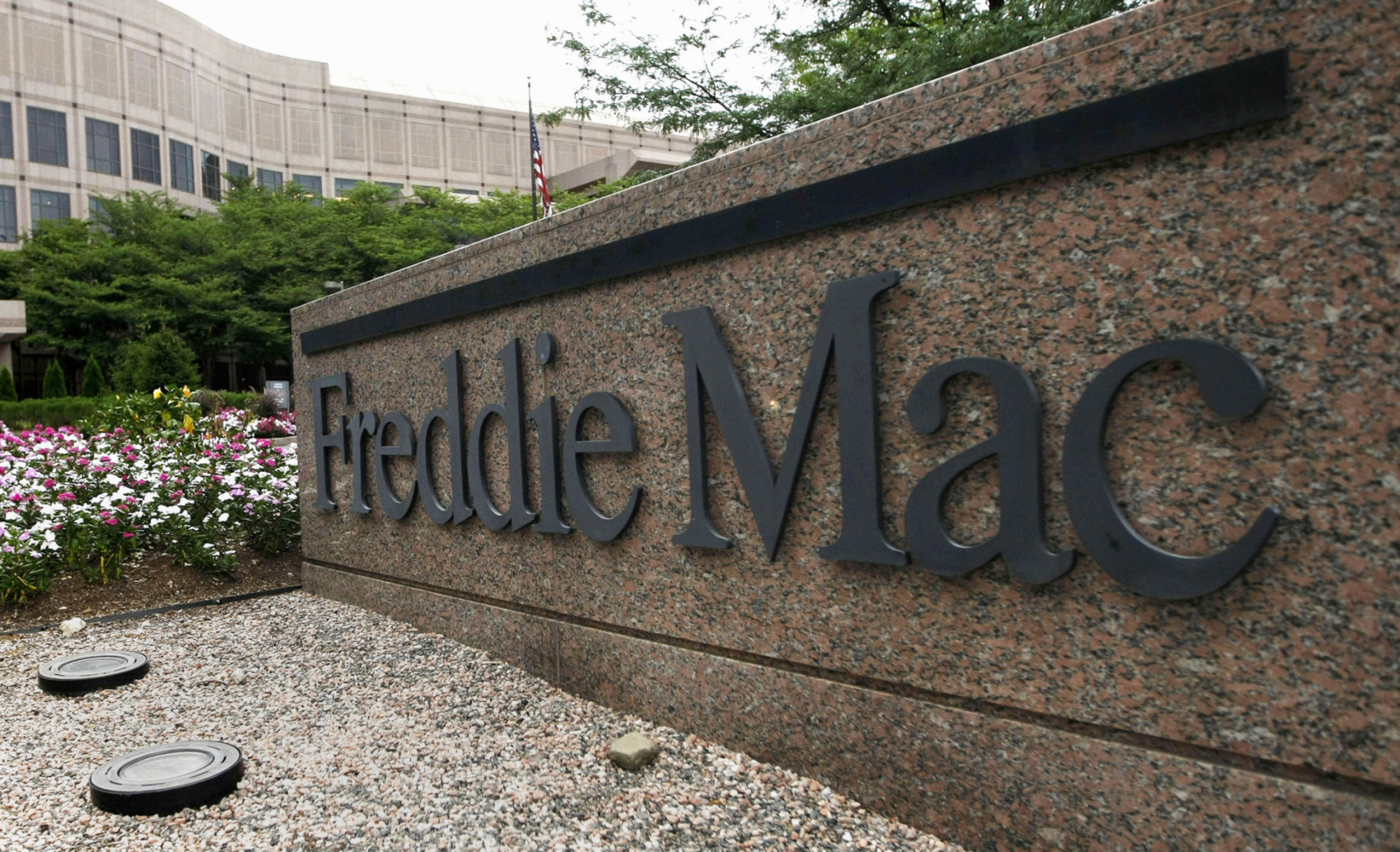
According to Freddie Mac, the very entity responsible for tracking these statistics, the long-term mortgage rate barely edged up from last week’s 6.67%. But even this slight increase sends shockwaves through the psyche of potential homebuyers who are already grappling with the suffocating grip of inflation and skyrocketing home prices.
Market Trends: Where Are We Headed?
For those navigating the treacherous waters of the housing market, the average cost on a 15-year fixed-rate mortgage has similarly risen, now resting at 5.86%. While less burdensome than its 30-year counterpart, the climb is an ominous sign that the current climate is far from forgiving. How many will ultimately be barred from entering homeownership simply by virtue of these rising rates?
Disruption and Decay in the Housing Sector
It is paramount to recognize that these rising rates do more than just siphon purchasing power away from prospective buyers; they effectively lock them out of a market that may never resemble what it once did. Sales of previously occupied homes plummeted to a dismal low not witnessed in three decades, a grim statistic that speaks volumes about the dismal fate awaiting those hoping to purchase a home.
The Fed’s Influence: More Than Meets the Eye
The Federal Reserve’s decisions weigh heavily here, casting long shadows over the economy’s landscape. As inflation remains a persistent adversary, the ripple effects of interest rate policies trickle down to profoundly impact mortgage affordability. This vicious cycle of economic predation leaves many staring down the barrel, the weight of precarious financial stability looming larger with each passing day.
Projected Stability or Illusion of Control?
Some economists predict that mortgage rates will stabilize in the near future, floating between the 6% to 7% range. However, such forecasts may appear overly optimistic for those entrenched in the daily struggle of meeting elevated demands while wrestling with stagnant wages and burgeoning debts. There exists a palpable tension between the anticipated calm and the chaos that could easily arise from unforeseen economic shifts.
Consumer Response: The Market’s Reaction
Despite these harrowing statistics, a fractional lull was observed in buyer applications, reportedly jumping 9.4% due to a temporary dip in rates. But this should not be mistaken for lasting optimism. A mere blip on the radar hardly equates to a revitalized market; it is merely a borrowed time before the inevitable dagger of economic hardship re-enters the fray.
Final Thoughts: A Future of Uncertainty
As the housing market continues to hover in a state of disarray, heavy with the weight of crippling financial implications, it becomes increasingly clear that the elusive American Dream of owning a home has become akin to a fantasy for many. This is not just a statistical issue; it is a human crisis, a glaring example of how financial structures maintain a chokehold on the aspirations of millions.
Source: [Yahoo Finance](https://finance.yahoo.com/news/average-long-term-us-mortgage-160323871.html)
Source: finance.yahoo.com/news/average-long-term-us-mortgage-160323871.html