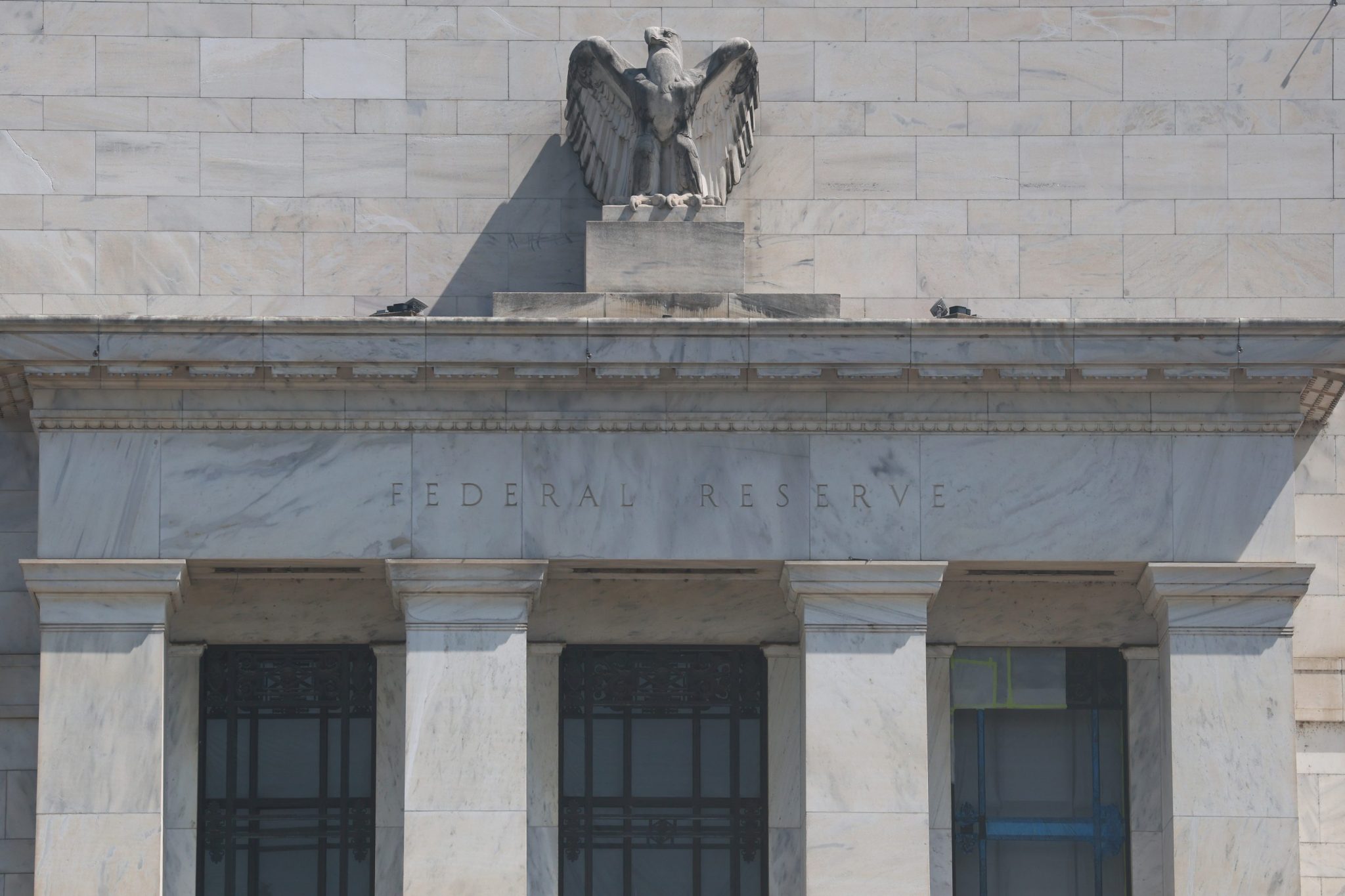
AN ECONOMIC FANTASY
Imagine a world where economic logic is tossed aside, where reckless whims dictate monetary policy. This scenario unfolds under the specter of President Donald Trump’s audacious suggestion to slash the federal funds rate to an astonishing 1%. Currently hovering between 4.25%-4.50%, such a drastic measure raises eyebrows and concerns—questions of stability, risks, and consequences loom ominously over this proposition.
THE RIDICULOUS RISK OF THE 1% RATE
The ramifications of such a move would be staggering. Wall Street is already ideating catastrophic scenarios, recognizing that a reduction of this magnitude strays far beyond conventional financial wisdom. The looming question is: what madness drives this push for extreme monetary policy? Critics of this plan—including seasoned economists—argue that such a rate would trigger market chaos, stoking inflationary fears.
DISASTER ON THE HORIZON
Plummeting rates to 1% are synonymous with an economic emergency—a pathway laid bare by past recessions and crises. In the eyes of many economists, this is not just poor judgment; it’s an outright failure to comprehend the nuances of economic signals. Jeffrey Roach, chief economist at LPL Financial, encapsulates this alarm, dismissing the proposition as ludicrous at best. Such drastic cuts scream trouble, invoking fears reminiscent of crises past, rather than fostering the stability businesses crave.
THE INFLATIONARY FURY
Cutting rates that low would, inevitably, heighten inflation expectations. Investors, in turn, would react to this fear-induced panic by shunning long-term Treasury bonds, leading to spiraled yields that threaten to engulf consumers and businesses with soaring borrowing costs. The fear of inflation would not just be a whisper; it would roar into the economic consciousness, prompting businesses to withdraw rather than expand.
A SHOCKED MARKET
Picture a business owner witnessing rate cuts to 1%—the anxiety would be palpable. Would they boost capital expenditures, or would they interpret this as a red flag, signaling unseen troubles ahead? The message is subtle yet clear: the odds of hunkering down in preparation for impending doom rise significantly.
FINGERS POINTING AT THE FED
The White House insists it’s a mere overreaction, claiming the Fed possesses the power to adjust rates once again should inflation get out of hand. But Roach and another critic, Jay Hatfield, undeniably rip apart this proposal, accusing the Fed of incompetence both in its delay to hike and in its readiness to entertain such absurdity.
A CATALYST FOR CATASTROPHE
Analyses reveal that while initial reactions to a cut might see Treasury yields dip, the ultimate outcome would reflect a nightmarish economic prophecy, necessitating heightened rates to combat inflation. The cacophony of economic chaos spirals further, forcing the Fed back to square one amidst lingering doubt and severe financial repercussions.
RIGID REALITIES OF ECONOMIC POLICY
Policymakers must recognize that there exists a sweet spot, where rates of approximately 2.75%-3% can stabilize rather than disrupt. It’s a delicate balance, wherein keeping rates too high risks recession while plunging to 1% hazards a catastrophic rise in inflation, a double-edged sword that necessitates prudence above all else.
THE ABSURDITY OF THE SITUATION
As the world watches and waits, the idea of a 1% rate looms not merely as an economic proposition but as a stark warning: navigate these waters carefully, or prepare to sink. The call for such a manipulation of monetary policy is utterly absurd, and the implications are troubling.
This unfolding drama within the White House and the Federal Reserve serves as an unnerving reminder of the fragility of economic governance. The stakes could not be higher, and the gamble unforgiving.
Source: [Fortune](https://fortune.com/2025/07/19/fed-rate-cuts-1-percent-trump-inflation-treasury-yields-economic-impact-capex/)
Source: finance.yahoo.com/news/fed-cut-rates-just-1-171502438.html