Something’s Off: The Federal Reserve’s Financial Fiasco
In a world where fiscal responsibility should be the gold standard, the Federal Reserve confidently parades around as a self-funded entity, yet their funding mechanisms raise more questions than answers. Contrast between the Federal Reserve and other federal departments couldn’t be more stark. While the Pentagon cries out for funds, the Fed flaunts its self-sufficiency, drawing income from interest on government securities rather than taxpayer dollars.
Headquarters Renovation: A Budgetary Blunder
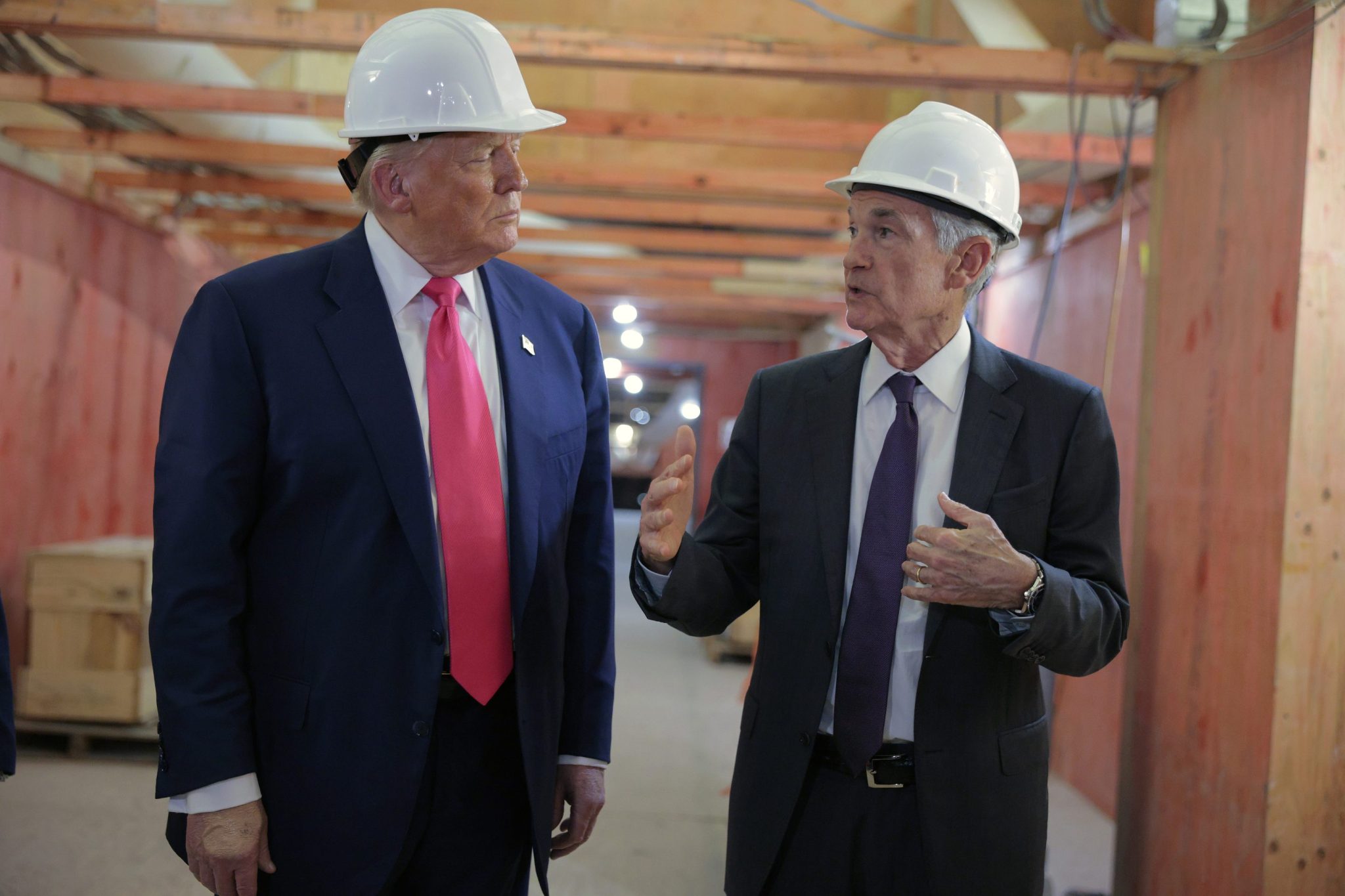
The recent $2.5 billion renovation of the Federal Reserve’s headquarters has become a lightning rod for criticism. It is an eyesore of excess and mismanagement, a glaring symbol of the disconnect between lavish expenditures and the solemn responsibilities of monetary policy. As President Trump and Fed Chairman Jerome Powell squabble over the project’s cost, one must wonder: where is the accountability?
A Double Standard in Government Spending
While military budgets balloon into the stratosphere, the Fed operates on a different plane. With no direct funding from Congress, one cannot escape the irony swirling around the notion of the Federal Reserve priding itself on self-reliance. Yet behind this façade lies a critical flaw; the income streams that keep this monolithic institution afloat often come from risky assets and questionable decision-making.
Income Sources: The Fed’s Cash Cows
Much of the Federal Reserve’s income derives from assets such as Treasury bonds and mortgage-backed securities. These aren’t just any assets—they morph in value as they sit on the balance sheet like ticking time bombs. During the financial crises, the Fed’s reckless bond-buying spree illustrated a troubling trend: a willingness to gamble with public confidence while calling it “propping up the economy.”
Costly Operations and Hidden Liabilities
When income hits a snag, as it often does in these turbulent economic times, the Fed relies on creating an IOU known as a “deferred asset.” This nifty accounting trick helps avoid headlines about insolvency but fails to suppress the growing unease about its financial practices. With a deferred asset growing exponentially—$236.6 billion by latest estimates—the Fed seems to bury its problems rather than confront them head-on.
Surplus or Deficit: A Question of Integrity
What happens when the Fed’s costs outweigh its income? The answer is painfully simple: the Fed generates liabilities it then conveniently sweeps under the rug. The central bank’s purported mission of stable prices and maximum employment starts to sound like a hollow promise when scrutinized against the backdrop of rising costs and interest payments. The narrative that the institution operates purely for public good mirrors absurdity as it churns out more fiscal head-scratchers than solutions.
The Bottom Line: Time for Transparency
The Federal Reserve’s cozy relationship with complex financial instruments and deferred assets begs for illumination. The facade of self-sufficiency veils the reality of substantial risks masquerading as fiscal responsibility. With growing public scrutiny, one cannot help but question the integrity of an institution that simultaneously raises interest rates and muses about future surpluses. As the dust settles on the renovation debacle, it’s high time for the Fed to reclaim its narrative and ensure true accountability.
This isn’t merely a financial matter—it’s a profound question of trust in an era marked by economic uncertainty and growing skepticism about institutional integrity.
Source: Fortune
Source: finance.yahoo.com/news/federal-funds-itself-including-renovations-203308285.html