The AI Gold Rush: Navigating the Nvidia Stock Surge
As the artificial intelligence (AI) sector continues to evolve, no company stands taller than Nvidia (NASDAQ: NVDA), the semiconductor behemoth amidst a frenzied tech landscape. If an investor leaped onto the Nvidia bandwagon the day ChatGPT burst onto the scene, their investment would have multiplied in value by a staggering tenfold. But with such astronomical success comes skepticism—is Nvidia’s golden age over?
The AI Fuel Behind Nvidia’s Ascent
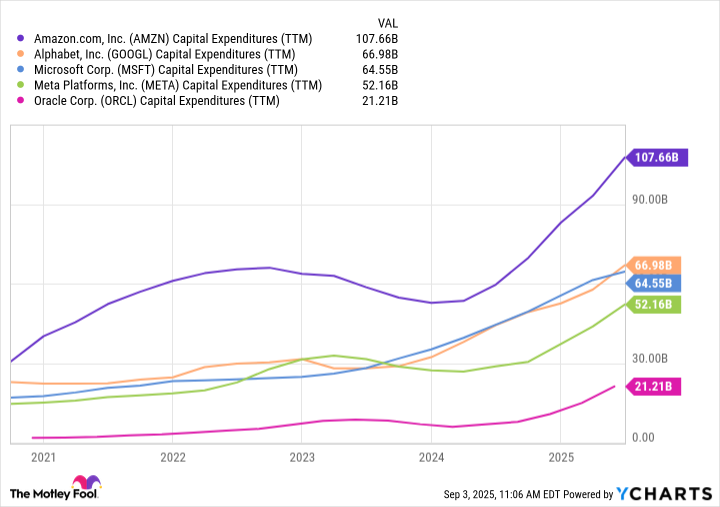
The technological juggernauts—Microsoft, Alphabet, Meta Platforms, Amazon, and Oracle—have been shoveling billions into their AI infrastructure, driving the demand for Nvidia’s state-of-the-art chips. This relentless capital influx has catapulted Nvidia’s market cap from a relatively paltry $345 billion at the kickoff of the AI boom to an unimaginable $4 trillion today.
Analyzing Nvidia’s Stock Valuation
Amidst concerns of whether Nvidia has peaked, the stock’s current valuation metrics tell a nuanced story. Presently, Nvidia’s price-to-sales (P/S) ratio aligns with its three-year standards, though it remains wells below the euphoric heights it touched earlier in the AI frenzy. Investors eyeing this stock might find its price-to-earnings (P/E) ratio of 49 evident of a healthy growth potential, but this figure can mislead if viewed without context—Nvidia’s growth trajectory is anchored in its burgeoning profitability.
The Confidence of Management
Directors at Nvidia have just underlined their confidence in the future with an exceptional $60 billion stock buyback scheme, underlining their belief in the company’s sustainable cash flows and the prudence of repurchasing stock as a top-tier investment move. This approach signals an intent not just to stabilize, but to thrive amidst emerging market dynamics.
Future Horizons: Advanced Applications and Market Potentials
While Nvidia’s present strength lies in its components for large language models (LLMs) and generative AI, its future markets are painted with potentially colossal figures. Robotics, quantum computing, and autonomous systems present themselves as the next frontiers—a landscape requiring immense computational power that Nvidia is already poised to capitalize on. Each of these market opportunities is tantalizingly close, yet a daunting five to ten years may pass before their true revenue-generating capabilities unfold.
Stock Buybacks: A Smart Interim Strategy
As Nvidia embarks on this journey, the stock buyback initiative offers a necessary buffer, propelling earnings per share (EPS) during this transitional chapter of AI evolution. By reducing the number of shares, management can fuel a robust EPS growth metric even as sales grow at a more measured pace. The buyback acts as a bridge—supporting investor sentiment while the AI infrastructure picks up steam beneath the surface.
Summing Up: Nvidia’s Future Amidst AI Ruffian Waves
In conclusion, Nvidia isn’t just basking in the afterglow of its AI triumphs; it’s strategically maneuvering into future battles, backed by sound financial practices and visionary management. While the question of overvaluation persists, the strength of its balance sheet coupled with high-stakes market aspirations keeps the discussion alive for investors keen on fueling their portfolios with the next tech revolution. It remains to be seen if Nvidia can sustain this momentum or will face the inevitable reality check—but one thing is certain: the spotlight is far from fading.
Source: The Motley Fool
Source: finance.yahoo.com/news/think-nvidia-stock-too-expensive-163100738.html