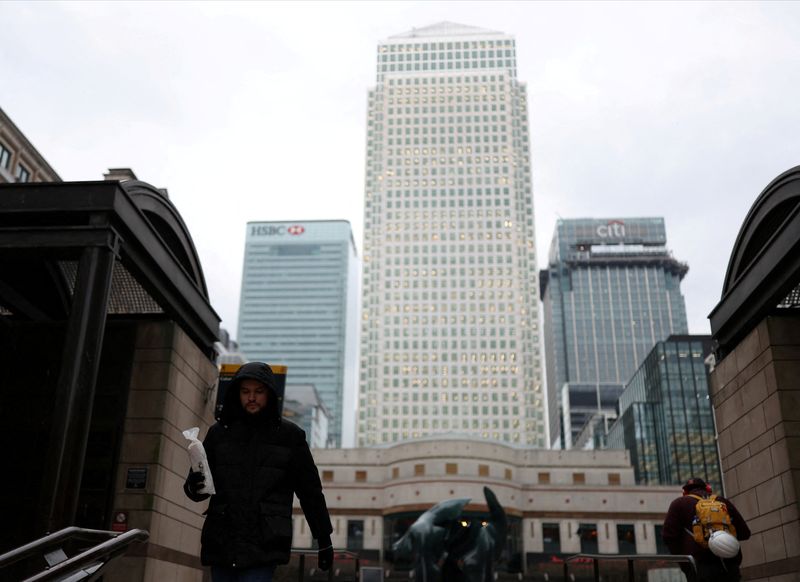
The Dismal Reality of Corporate Overhaul Costs
The announcement that Citigroup’s renovation of its London tower has ballooned to an astonishing $1.5 billion is not just a financial fact; it is a glaring indictment of the corporate world’s inability to manage its resources efficiently in a post-pandemic landscape. The rhetoric of progressing into a modern workspace has become nothing but a smokescreen for fiscal mismanagement and inflated budgets, as this cost eclipses the $1.63 billion spent on acquiring the building back in 2019.
Shameless Justifications for Excess Spending
Citi’s decision to expand its workforce and upgrade additional spaces should raise eyebrows rather than evoke applause. It paints a grotesque picture of a company scrambling to adapt, yet throwing money around as if it has no accountability. According to company executives, the original budget remains undisclosed, suggesting a lack of foresight inherent in their planning processes. This cavalier attitude towards financial responsibility begs the question: how can companies expect employees to return to the office when they can’t even manage their renovations without draining resources?
Obscene Investment or True Commitment?
While Citi claims that this exorbitant expenditure signals a commitment to its British operations and the local labor market—housing 14,000 employees—this narrative smacks of desperation. Can a company genuinely foster loyalty and productivity when it demonstrates a disregard for prudent financial practices? Instead of building trust with its workforce, Citi’s leadership appears more engrossed in improving the façade of the workplace rather than the actual work environment.
The CEO’s Photo-Op Amidst Disarray
As the revitalization project continues, CEO Jane Fraser’s plans to visit Britain coincide with the state visit of U.S. President Donald Trump. How convenient! Here lies a perfect opportunity for a photo-op, amplifying her corporate stature while the underpinnings of the organization display monumental flaws. Fraser’s so-called leadership stands starkly juxtaposed with the chaos unfolding under her watch, as Citibank continues to navigate a blustery business climate rife with uncertainty.
Illusions of Progress Amidst Crumbling Infrastructure
The renovations at 25 Canada Square—promising top-notch amenities, verdant gardens, and interconnected levels—are nothing more than an internal marketing strategy to pillow employees’ egos. The workforce is likely reeling under an unspoken distress about returning to spaces where reality clashes violently with the idealistic portrayals of corporate offices. The influx of spending without effective results leaves a bitter taste in the mouths of those who keep the economy afloat—employees.
Corporate Competitors in the Wake of Failure
In stark contrast, competitors like JPMorgan evaluate the fate of their own Canary Wharf tower with perhaps a wiser approach. They weigh options regarding potential relocation or outright overhauls, demonstrating a more strategic, albeit cautious, mindset. As the pandemic cascaded through the job market, it jolted businesses into reconsidering their corporate real estate strategies, yet many appear inevitably caught in a cycle of relentless expenditure without clear benefits.
Conclusion: A Call for Real Accountability
The startling expenses on the renovation of Citi’s tower epitomize more than the company’s financial missteps; they symbolize a larger systemic issue within corporate America. The disconnection between actual workplace experiences and corporate narratives creates a paradox that threatens not only employee morale but also the integrity of the entire corporate landscape. Reputable companies may very well be at a breaking point, where lavish investments and misguided strategies illuminate deep-seated flaws that need addressing well before the next fiscal year.
Source: finance.yahoo.com/news/citis-bill-london-tower-revamp-080741169.html