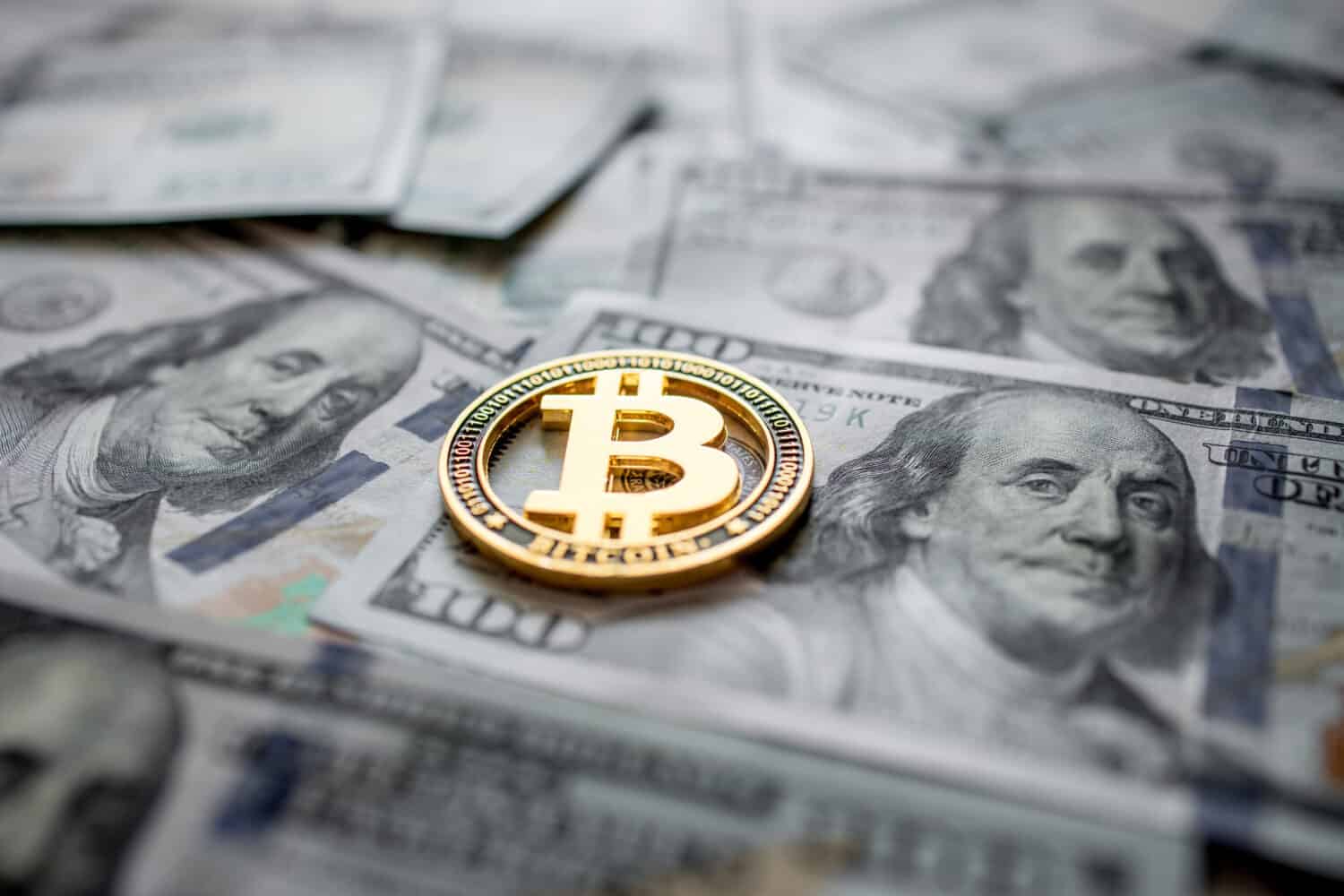
Why Bitcoin Could Surge to $150,000 by 2026
In the ever-evolving landscape of cryptocurrency, Bitcoin remains the top choice for millions of investors. With a striking market capitalization of approximately $1.9 trillion, it stands out as a safe haven for those seeking to escape traditional banking constraints.
The substantial demand for Bitcoin can be attributed to its status as the first and largest cryptocurrency. With around 20 million Bitcoin already circulating and a capped supply of only 21 million, scarcity plays a pivotal role in its value proposition. The majority of Bitcoin is held in cold storage, meaning a mere fraction is actively traded daily, indicating long-term investment strategies among holders.
With Bitcoin’s fundamental principles firmly in place, it’s plausible to envision its price climbing substantially over the coming years. As institutional support continues to burgeon, especially with the advent of spot ETFs, the capital influx into Bitcoin could rejuvenate its price momentum. These ETFs provide an avenue for investors to gain exposure without needing to directly handle or manage the cryptocurrency.
Strong Fundamentals Underpinning Bitcoin
Unlike some cryptocurrencies that derive their value from transaction-generated revenue, Bitcoin thrives primarily on the collective belief in its potential and utility as a decentralized asset. Its quantitative growth—boasting consistent user and transaction increases, continual developer engagement, and expanding institutional adoption—solidifies its foundation for sustained valuation appreciation.
Currently, institutional adoption is the main driver of price appreciation for Bitcoin, especially with the rise of publicly-traded Bitcoin vehicles. The infusion of billions from such investments supports the price, creating a robust financial ecosystem anchored by Bitcoin.
The Favorable Macro Environment for Bitcoin
The U.S. Securities and Exchange Commission (SEC) recently approved spot Bitcoin ETFs, providing a significant boost to investor confidence in the cryptocurrency. The regulatory environment appears to be shifting favorably for Bitcoin, setting the stage for further acceptance and investment in the space.
With ongoing global fiat currency debasement, Bitcoin’s positioning as an alternative financial asset is becoming increasingly appealing. Furthermore, discussions surrounding potentially implementing central bank digital currencies (CBDCs) in the near future underscore Bitcoin’s relevance in a rapidly changing economic landscape. This discourse reinforces the ongoing discussions about the importance of diversified financial tools, of which Bitcoin plays a principal role.
Rethinking Retirement: Opportunities Ahead
Retirement planning is not merely about selecting profitable stocks or ETFs; it involves understanding the distinction between asset accumulation and the distribution of wealth. A recent report highlights that many Americans are reconsidering their retirement timelines, discovering opportunities to retire sooner than expected through strategic financial planning.
In summary, Bitcoin’s blend of scarcity, institutional backing, and favorable market conditions offer a compelling case for its potential surge to $150,000 by 2026. As global economic conditions continue to evolve, Bitcoin may become the premier choice for investors seeking stability and growth in their portfolios.
Source: finance.yahoo.com/news/why-bitcoin-could-hit-150-170059373.html