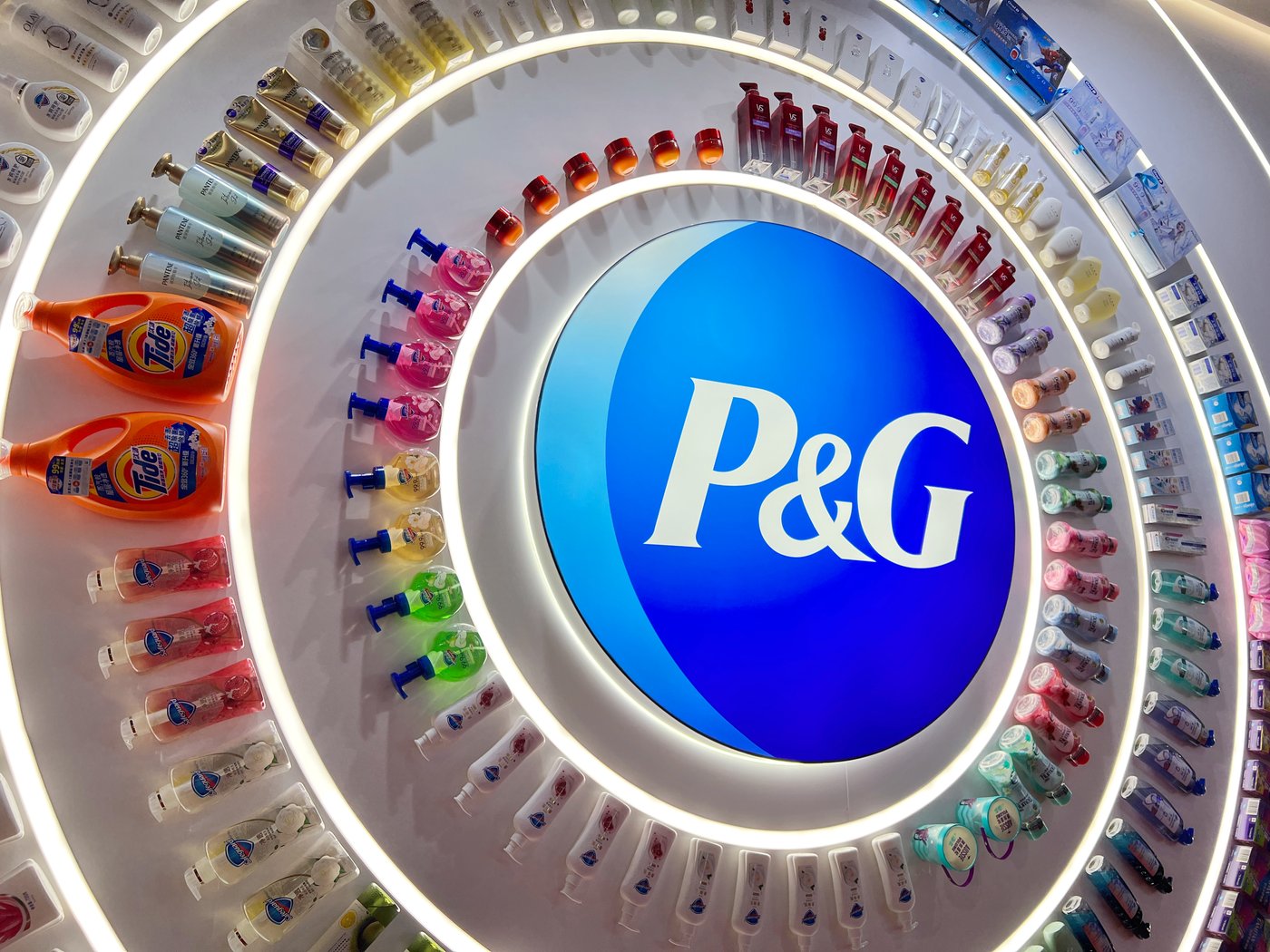
Procter & Gamble: A Stock Underperforming in a Changing Market
There was once a belief that consumer staples stocks were invulnerable cornerstones of investment portfolios, eagerly sought for their reliable dividend payouts and their ability to weather economic downturns. Procter & Gamble (NYSE: PG), the titan behind well-known brands such as Crest, Gillette, Tide, Pampers, and Charmin, seemed poised to uphold this reputation. However, recent years have revealed a startling truth: the safety net these stocks provided has become frayed, and P&G has failed to meet the performance expectations that its stature would suggest.
For a period spanning five years from 2020 to 2024, consumer staples consistently lagged behind more aggressive sectors, only managing to shine briefly in 2022—a year plagued by a bear market. Over this timeframe, P&G delivered a meager return of $1 for every $5 accrued by the S&P 500. This stagnation sharpens the critique that, despite its esteemed branding and significant market share, the company’s stock performance has been lackluster at best.
Ironically, as investment trends pivot towards high-growth tech sectors and artificial intelligence stocks, Procter & Gamble has been left behind. While the euphoria surrounding innovative sectors has captivated investors and yielded impressive returns, stable consumer staples stocks like P&G have been relegated to the sidelines—a fact underscored by their solitary appearance among the top-performing sectors just once during that five-year stretch.
While the resale value of Procter & Gamble’s stock has dwindled, the allure of its dividends remains. With a legacy of 135 consecutive years of dividend payments and an impressive 69 years of increases, P&G has solidified its status as a Dividend King. The company anticipates a modest annual dividend growth rate of 4% to 6%, offering some investors a hedge against inflation—but this comes with a caveat. With earnings per share projected to rise and operating cash flow improving, reliance solely on dividends without capital appreciation paints a risky picture for potential growth, especially for younger investors seeking wealth accumulation.
As of 2025, P&G shares have depreciated almost 10% year-to-date, reinforcing the notion that the company’s stagnation isn’t an isolated incident but rather a symptom of the broader challenges afflicting the staples sector. This disheartening outlook has urged both cautious and forward-thinking investors to reconsider their stake in P&G as they confront the realities of a rapidly evolving market landscape.
For investors contemplating a stake in Procter & Gamble, it’s crucial to weigh these factors carefully. The Motley Fool’s analyst team does not currently include P&G in their recommendations for the best investment opportunities. Instead, potential investors are encouraged to explore stocks with growth potential that align with their financial objectives, especially amid a shifting investment paradigm.
Source: finance.yahoo.com/news/good-pg-stock-actually-185000607.html