Banks and Crypto: A Dangerous Collision of Traditions and Innovations?
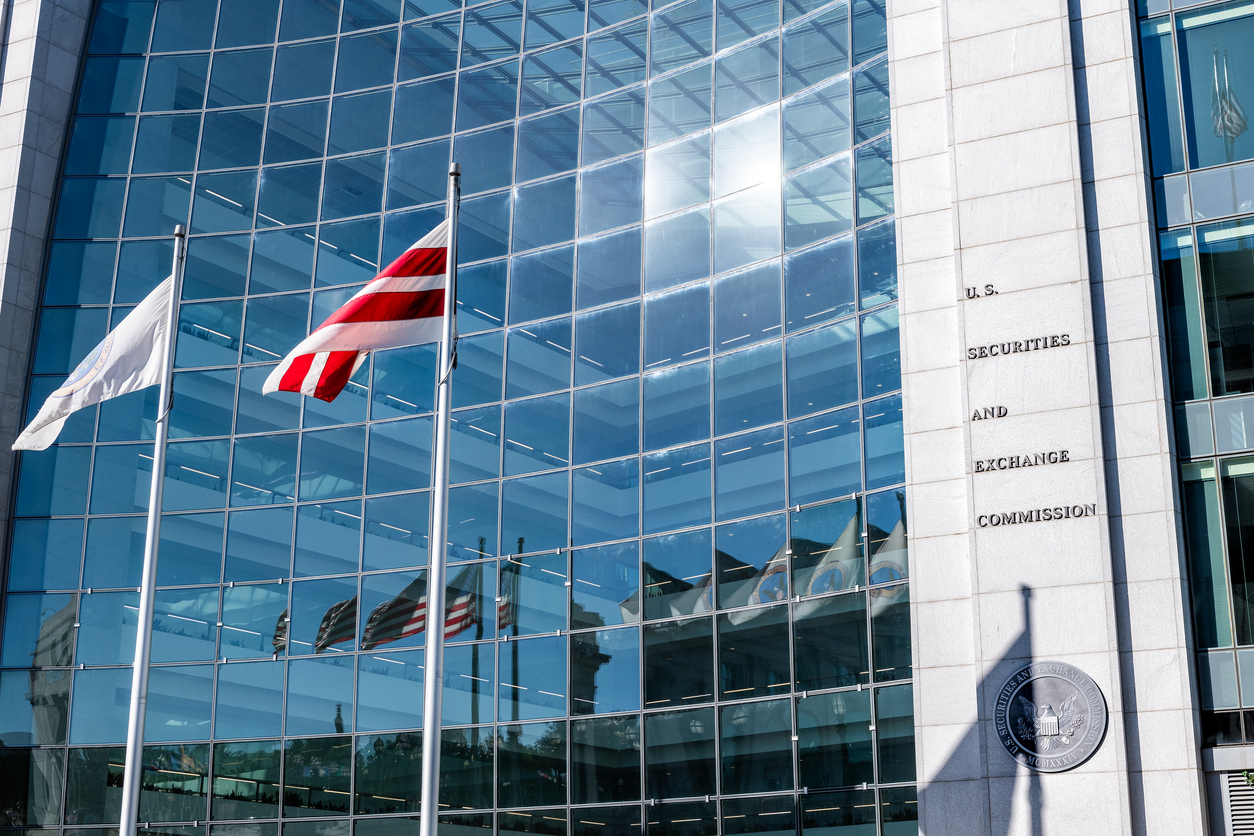
The U.S. Securities and Exchange Commission (SEC) has scrapped the chain-linked accounting rule that once deemed crypto assets held for customers as liabilities. Welcome to the bold frontier, where the bureaucratic giants pave paths for traditional banks to clutch digital treasures fearlessly. This monumental decision suggests the financial titans are no longer hesitant to dip their gold-plated toes into the murky waters of cryptocurrency custody.
Enter the demise of Staff Accounting Bulletin 121, an infamous and divisive standard believed to be the bane of progress for many. Industry veterans shout, “opportunity!” as this milestone screams of potential consolidations and banks lining up to elbow their way into the lucrative crypto custody market.
The Predatory Moves Begin in the Name of Progress
Heavyweights like USBank and BNY are already circling like sharks, ready to seize opportunities once trapped behind policy barriers. These institutions have danced with crypto funds and ETFs before, but now, with no pesky regulations to slow them, dreams of total market dominance inch closer to reality.
Steven McClurg, the voice of Canary Capital, candidly predicts a future where crypto-native firms like Gemini or Anchorage won’t just coexist—they’ll be devoured. The strategy? Buy them out, acquire their knowledge, and maintain supremacy. Banks want it all: Bitcoin, Ethereum, and more. But of course, only after their well-oiled machines swallow these pioneers whole.
The Hesitant Steps of Goliaths
Don’t clutch your crypto wallet just yet—banks play the long game. This supposed “expansion” will remain laser-focused on Bitcoin and Ethereum for now. Innovators in Ripple’s XRP and Litecoin’s HBAR may as well shout into the void; big banks aren’t ready to coddle more than Bitcoin’s shiny allure. “Comfort zones are everything,” McClurg emphasizes, showing how reliant banks still are on decades of outdated operational habits.
The tenacity to integrate crypto tech won’t be instant, nor smooth. Banks notoriously cling to their clunky and ancient technological infrastructures like a relic that refuses death. Mergers and acquisitions might inject them with innovation. Still, the transformation won’t happen overnight—guess who will foot the cost for this turbulent ride?
The Hypocrisy of Regulation: A Convenient Makeover for the Elites
The SEC and their glossy bulletin replacements—unsurprisingly named Staff Accounting Bulletin 122—offer lukewarm stipulations demanding adherence to “broader standards.” The hypocrisy of flexibility emerges; nowhere does this soothe cries about crypto’s volatility or its record of enabling dubious financial escapades. Who ensures that disclosure requirements won’t be manipulated by strategic opacity, a skill big banks have mastered for generations?
The Reality Behind the Curtains
Sure, bulletin reforms are flashy, but they reek of appeasement. Congressional attempts to repeal SAB 121? Hailed as bipartisan but vetoed at the political peak by one Joe Biden. And yet, here we stand, with crypto goliaths and banks fist-bumping over their newly found alliance. Isn’t it fascinating how swiftly political vetoes melt when institutions with gross domestic product-sized revenue streams press down with their iron fists?
This is not the dawn of innovation; it’s the renaissance of monopolistic appetite, disguised as industry progress. Yet as this market widens, who truly stands to benefit? Certainly not the everyday individual scrambling to decode this maze of privilege and profit.
Source: finance.yahoo.com/news/banks-green-light-hold-crypto-005356886.html