Iraq’s Banking Scandal: A Playground for Corruption?
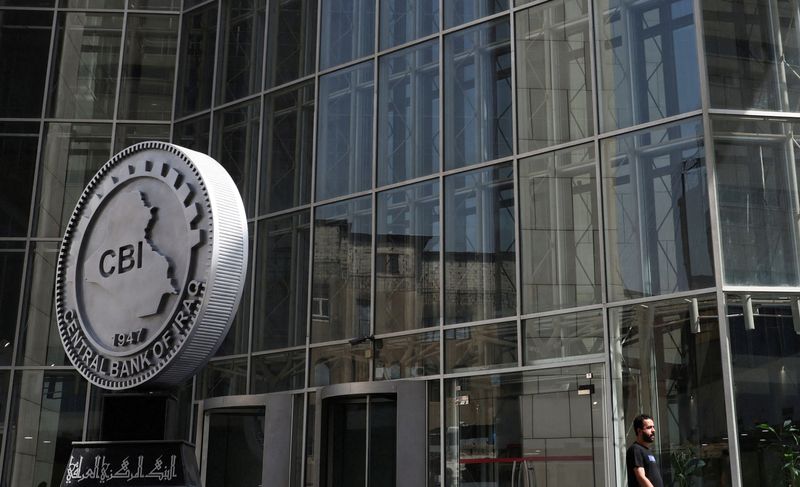
Dismantling the veil on Iraq’s financial sector reveals one glaring truth: a system swirling in murky waters of alleged money laundering and dollar smuggling. The latest revelation? Iraq’s Central Bank slamming the door on five local banks, barring them from U.S. dollar transactions. Why? Two sources claim the move stems from a crackdown to curb funds bleeding into illegal channels. This bold measure follows tense meetings between Iraqi officials and U.S. Treasury representatives.
Let’s not sugarcoat the situation. Iraq’s financial sector operates in an unsettling gray area fueled by more than just banking incompetence. This is about systemic shortcomings, a dubious network, and influential players profiting from the chaos. Eight banks had already faced similar bans last year. And now, the blacklist grows. But does this really scratch the surface of a deeply entrenched problem?
The Iran-Iraq Nexus: An “Economic Lung”
Iraq finds itself tragically tugged between two opposing powers: the U.S. and Iran. Holding over $100 billion in reserves tied to Washington’s goodwill, Iraq tiptoes around American ire while serving as an economic artery for Tehran, ironically circumventing U.S. sanctions. Iran views Iraq as a vital “economic lung,” openly leveraging its neighbor’s economy to bypass restrictions and access U.S. currency through complex schemes.
Fuel smuggling operations that line Iran’s coffers—a tale of at least $1 billion annually—are just the beginning. Since Prime Minister Mohammed Shia al-Sudani assumed office in 2022, whispers of a thriving oil smuggling network in Iraq have grown into an undeniable roar. Yet, Western leaders still cling to fragile hopes that Sudani will usher in reforms. Optimism or illusion?
Banned, But Operational: A Hollow Punishment?
Here’s the kicker: banks barred from U.S. dollar transactions still continue operations, dealing in other currencies without much hindrance. The Central Bank of Iraq claims these decisions are meant to restrict “illegal activities,” yet how impactful are these restrictions when alternative channels remain unscathed? The financial leeway granted to these institutions defangs the supposed crackdown.
Additionally, Iraq’s government remains deeply seated in alliances with Iran-backed parties and militias. These shadowy associations further blur the line between governance and self-interest, casting doubts over Iraq’s capacity—or willingness— to clean up its own backyard. What good is banning a handful of banks when the power structures facilitating misconduct remain firmly intact?
Reforms or Empty Words?
The West has applauded Prime Minister Sudani for cooperation on economic reforms, but skepticism looms large. Iraq’s financial system is infamous as a hotbed for launders and smugglers, with entrenched informal economies nurtured under political protection. Pressure is mounting, particularly as former U.S. President Donald Trump threatens a renewed “maximum pressure” policy on Iran, which could place Iraq in the crossfire of geopolitical bullying and hold unexpected consequences for its oil-dependent economy.
It doesn’t stop at the banks. Payment firms were also snared in the crackdown, including Amawl, AL-Saqi Payment, and Aqsa Payment. These systemic breaches raise one question—who else is complicit? The truth often hides not in isolated bans but within the sprawling networks that connect institutions, leaders, and illicit operators.
The Names That Matter
Let’s be specific: Al-Mashreq Al-Arabi Islamic Bank, United Bank for Investment, Al Sanam Islamic Bank, Misk Islamic Bank, and Amin Iraq for Islamic Investment and Finance are the latest under scrutiny. These institutions, alongside their payment service counterparts, serve as an unsettling reminder of a system that plays fast and loose with accountability. What’s being done to clamp down on these enablers of corruption, beyond the surface brimming with symbolic bans and suspended transactions?
Corruption Thrives Where Accountability Falters
What this story underscores is a blatant lack of serious accountability. The Central Bank of Iraq and relevant authorities can issue statements, claim reforms, and impose international-mandated sanctions. All of which might appease the headlines, but the fundamental issues persist unchallenged. As long as power players in the government and banking sectors prioritize self-interest over transparency, meaningful change remains but a mirage.
With allies, adversaries, and opportunists pulling Iraq in every possible direction, the question remains: who will finally make the bold move to shatter this cycle? Or more critically, will anyone dare to?
Source: finance.yahoo.com/news/exclusive-five-iraqi-banks-banned-142703134.html