What Happens When the Economy Stumbles?
Canada stands at a precarious crossroads, with an economy staggering under the weight of external pressures like U.S. tariffs on essential imports such as steel, autos, and lumber. The recent contraction of 1.6% in the second quarter serves as a blunt reminder of the troubling reality faced by workers and businesses alike.
The Unraveling Trade Relations
In a shocking turn of events, President Donald Trump has halted all trade discussions with Canada, amplifying the uncertainty that lurks in every corner of the Canadian market. As economic vulnerabilities become increasingly evident, one must ponder: how much more can the economy bear before it spirals into deeper turmoil?
Expectations of a Rate Cut
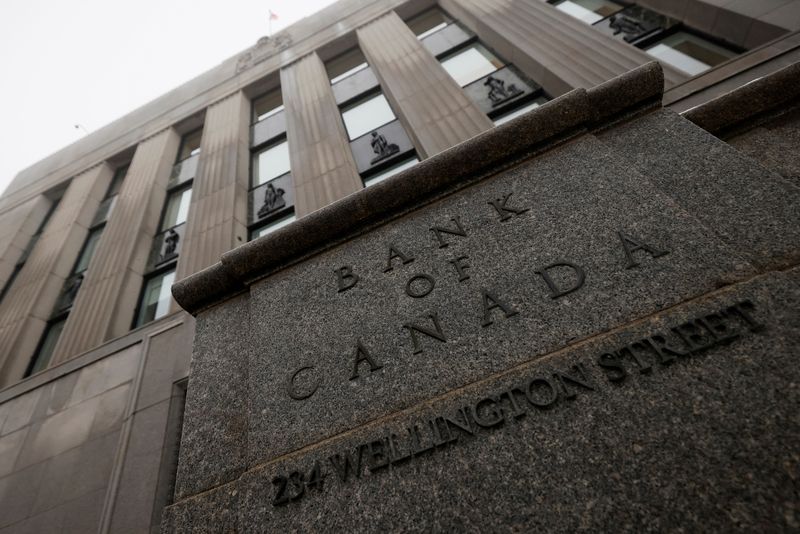
With high levels of joblessness looming over the populace and economic growth sputtering, the call for a second consecutive rate cut from the Bank of Canada seems all but certain. Economists widely predict a cut of 25 basis points, which would drop rates to a mere 2.25%. Some may argue this is hardly enough to rekindle vitality in an economy that needs invigorating.
Stalled Growth
The economic outlook appears bleak, as evidenced by mixed signals from companies who claim they’re not anticipating a fallout from tariffs but acknowledge the ongoing struggle against sluggish demand and dwindling orders. The reluctance to hire amidst this chaos suggests a disengaged labor market that mirrors an economy teetering on the brink.
The Temporary Band-Aid of Low Rates
One must critically assess whether these rate cuts will function as mere band-aids on a gushing wound. The vast output gap is troubling, with inflationary pressures simmering just below the surface. While some experts tout the wisdom of lowering rates, others point to the dire state of core inflation—a consistent undesired figure stubbornly hovering above the Bank of Canada’s goals.
The Quandary of Inflation
With inflation creeping up to 2.3% in September, surpassing expectations, it raises a crucial question: is the central bank unwittingly fueling a fire that threatens to envelop a weak economic foundation? Insistent on its singular mandate to control inflation, the Bank of Canada dangles on a tightrope between facilitating immediate growth and risking future stability.
Looking Ahead to the Monetary Policy Announcement
Anticipation builds as the Bank of Canada prepares to unveil its monetary policy decision. Will they opt to cut rates once more, knowing well the risks that come with it, or will they pause, clutching onto monetary tools for a more impactful strike later? The outcome remains uncertain, echoing the ambiguity that hangs over Canadian economic health.
The Broader Implications
The fate of the Canadian economy reflects a larger narrative—a cautionary tale of how geopolitics, trade relations, and domestic policy intertwine and influence everyday life. At the heart of these financial decisions lies the pressing reality that we may be approaching a critical juncture, fraught with impending consequences for both citizens and markets alike.
As we edge closer to the announcement on October 29, the world watches intently, waiting to see if Canada’s economic resolve will shine through or falter beneath external duress and internal stagnation.
If history teaches any lesson, it’s that navigating these treacherous waters demands more than mere hope—it requires deft action and robust policy-making that resonates beyond boardrooms and into the lives of everyday Canadians.
Source: finance.yahoo.com/news/bank-canada-poised-cut-rates-101329321.html