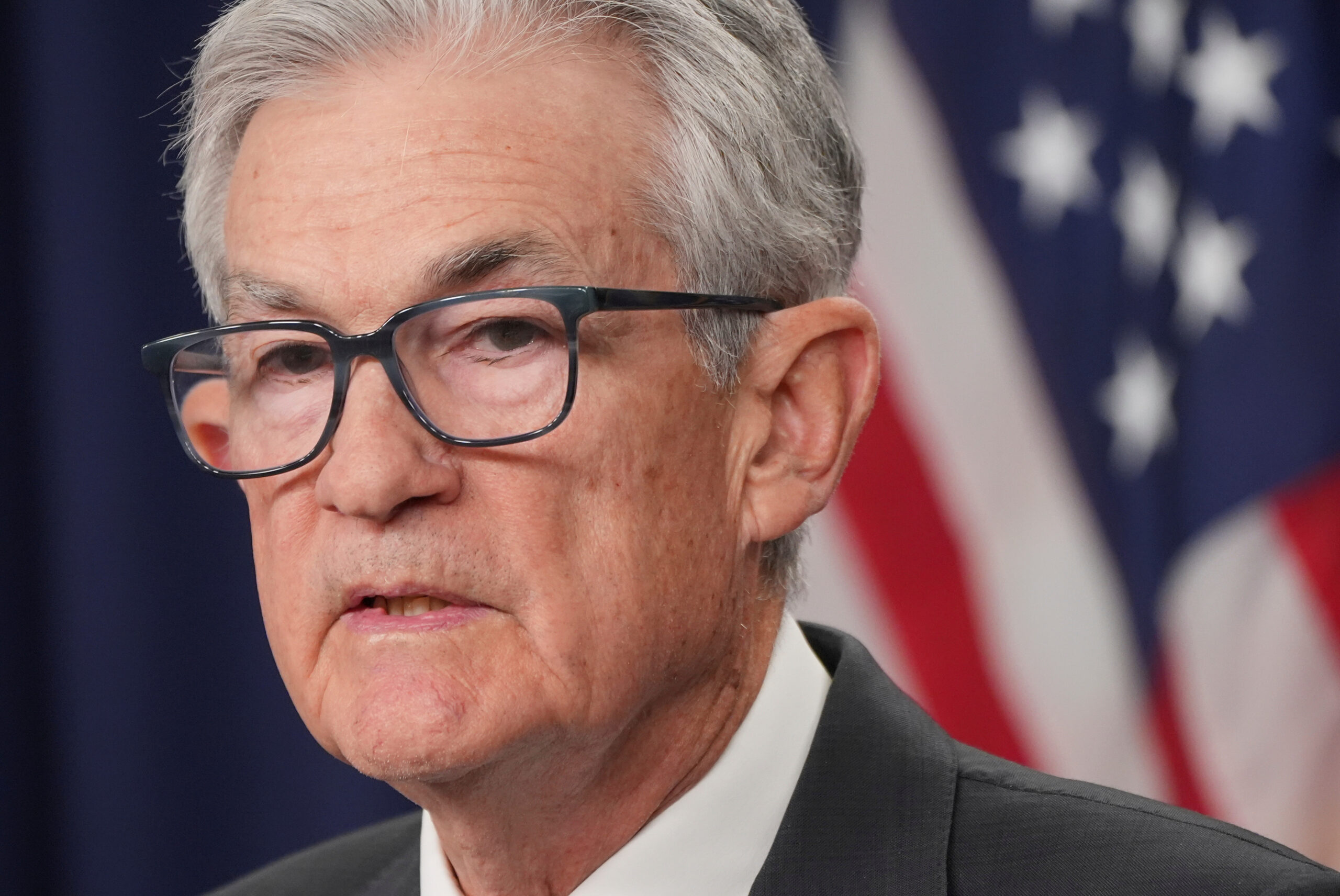
Divisions at the Federal Reserve: A Year of Tension and Uncertainty
The landscape of the Federal Reserve in 2025 has been marked by stark contrasts, particularly between its dual mandates for maximum employment and price stability—conflicts reminiscent of the stagflation era of the 1970s. This discord has made for a tumultuous year, with increased dissent among officials about interest rate policies, a problem expected to outlast 2025 and carry into the following year.
Despite the tumult, Fed Chair Jerome Powell managed to assemble a consensus to decrease interest rates thrice during the year, according to Matthew Luzzetti, the Chief U.S. Economist for Deutsche Bank. However, with inflation pressures ongoing and job growth sluggish, a new chair may struggle to maintain this group cohesion if the economic landscape remains fraught.
“Although the most probable outcome still points to further rate cuts, we must also consider the potential scenario where the incoming chair confronts a committee inclined to raise rates,” Luzzetti warned.
Trump’s Reshaping of Economic Policies
The economic rollercoaster that President Trump introduced at the start of 2025—marked by constant tariff fluctuations and restrictive immigration measures—left the Fed stagnant for much of the year, as officials grappled with assessing the ramifications on inflation, employment, and overall economic health. This indecision frustrated Trump, who pressured the central bank for lower interest rates and attempted to remove Powell amid contentious disagreements. The president’s threats to dismiss Powell underscored concerns about the Fed’s autonomy and unsettled market conditions.
In an unprecedented move, Trump removed Fed Governor Lisa Cook over alleged mortgage fraud, a legal battle still unfolding and soon to face judicial scrutiny by the Supreme Court. Meanwhile, Fed Governor Adriana Kugler’s departure over the summer led to Trump’s temporary appointment of Stephen Miran—the Chair of the White House Council of Economic Advisers—raising alarms about potential compromises on Fed independence that Miran himself had previously cautioned against.
Tariffs and Job Market Dynamics
The initial perspective within the Fed suggested that Trump’s tariffs would induce a transient bump in prices with minimal long-term inflation effects. However, once the tariffs branded as “Liberation Day” were enacted on April 2, introducing the most sweeping tariffs in a century, concerns burgeoned about persistent inflationary pressures stemming from these new policies.
As summer approached, with cooling job market indicators emerging, the Federal Reserve convened a policy meeting that ultimately maintained this year’s steady rates—further signaling internal disagreements about appropriate actions regarding employment and inflation. This divide culminated in dissenting opinions from Fed Governors Chris Waller and Michelle Bowman, both pushing for proactive rate cuts amidst rising labor market concerns.
As the summer faded, the deeper cracks within the labor market spurred Powell to strategize for a rate cut in September, leading to a series of reductions throughout the fall reminiscent of trends from 2024. The situation deteriorated further with an unprecedented government shutdown, hindering the Fed’s access to essential data necessary for making informed monetary policy decisions.
Looking Ahead: A Cautious 2026
After executing three “insurance” rate cuts and with inflation remaining above the desired 2% threshold, the Fed now signals a prudent approach in evaluating the economy before considering further rate adjustments. Initial impressions from emerging data present a flawed narrative due to the effects of the government shutdown, complicating the Fed’s forecasting efforts.
Insights from the latest inflation reports demonstrate a notable deceleration in price increases, particularly as rent costs declined; however, skepticism remains about the accuracy of these figures due to data voids caused by the shutdown. New York Fed President John Williams voiced a belief that recent inflation assessments might underestimate actual inflation rates, a sentiment echoed by Cleveland Fed President Beth Hammack.
As the unemployment rate edges up to 4.6%, Federal Reserve officials anticipate just one additional rate cut in 2026. While the labor market’s cooling is significant, they do not consider it a crisis; growth is anticipated to rebound, aided by favorable fiscal conditions and recovery efforts post-shutdown, according to economist Jeffrey Roach of LPL Financial.
While many forecasts anticipate fluctuations in inflation readings for the upcoming months, the overall expectation is that inflation will diminish, opening avenues for further rate cuts later in the year. Nevertheless, with doubts lingering about Fed independence and ongoing fiscal challenges, a more divided Federal Reserve is likely to face challenges in achieving consensus.
As we step into 2026, the Federal Reserve awaits the appointment of a new chair—expected to lean towards a preference for lower rates. However, attaining agreement on these potential cuts could prove complicated, especially given persistent inflation levels. The journey ahead might be fraught with conflicts reflective of the administration’s influence over the centralized bank, likely steering the Fed into uncharted and precarious territories.
Source: Yahoo Finance