The Ugly Truth About Tether: A Criminal’s Best Friend
Tether is no ordinary cryptocurrency. It has evolved into the go-to choice for criminals, terrorists, and corruption-laden regimes. Think North Korea funneling millions to fund its nuclear ambitions, Mexican drug cartels laundering drug money, and Southeast Asian traffickers forcing victims to commit scams—all facilitated by Tether’s shadowy ecosystem. That’s the reality behind these “stablecoins” that allegedly promote financial innovations.
The US Treasury Department’s discoveries are nothing short of shocking. One wallet, identified only by cryptic characters, belonged to Sa’id al-Jamal, a notorious financer of Houthi fighters. Sanctioned in 2021, you’d assume this would cage him financially. Guess again. Through Tether, al-Jamal moved over $300 million. The Treasury locked him out of traditional banking systems, but Tether’s digital underworld was his sanctuary.
Tether’s “Invisible” User Base
The madness doesn’t stop there. Tether thrives globally with more than 300 million wallets, existing in this unregulated nightmare of anonymity. No identification required. Anyone can open shop—terrorists, traffickers, even sanctioned states. This isn’t merely oversight. It’s willful ignorance.
The criminals adore Tether, and why wouldn’t they? Quick transfers, barely any traceability, and all under a myth that actions can be frozen. The harsh reality? They simply open another wallet whenever the law closes in. The US prosecutor’s thanks to Tether for freezing a measly $5 million fraud haul is laughable against the billions being moved illicitly without anyone batting an eye.
Howard Lutnick: Tether’s Saviour or America’s Problem?
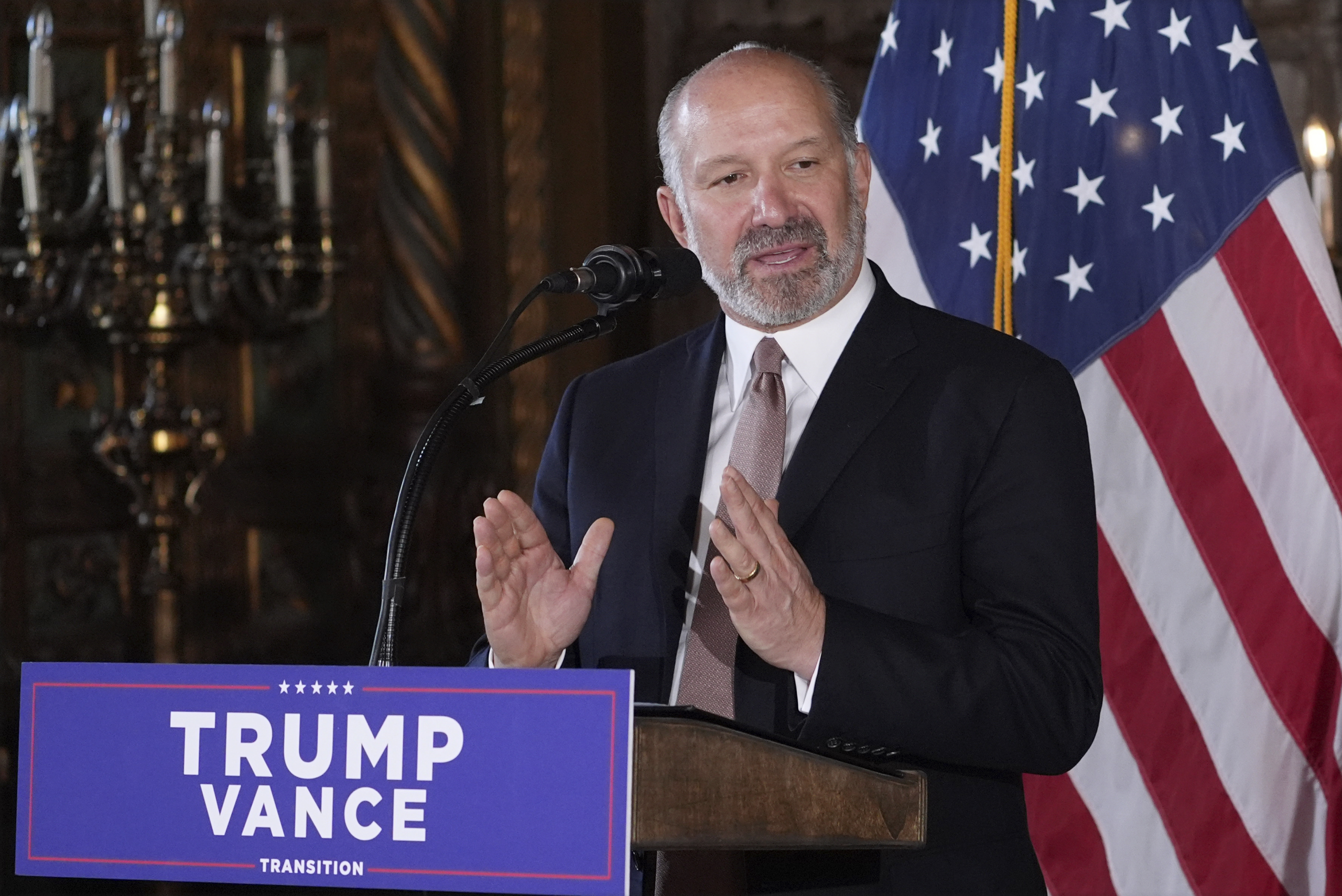
Let’s introduce Howard Lutnick, billionaire CEO of Cantor Fitzgerald, who built his empire around Wall Street and tragedy. Now, Lutnick is on the table as Trump’s Commerce Secretary nominee. This man didn’t hesitate to dive head-first into Tether, making his bank the fulcrum for their shady $130 billion empire. Lutnick’s Cantor handles the US Treasury bonds backing Tether, ensuring the so-called “trust” each token holds. This wasn’t charity; it’s pure profit. Tens of millions flowed to Cantor while Lutnick snagged a juicy stake in the crypto company. Is this our future commerce secretary?
Why would a Commerce Secretary need ties to a currency described as the backdoor for sanctioned war criminals, fentanyl distributors, and ransomware gangs to wash their money? It’s a question looming over Washington and beyond, as Lutnick promises to divest from his personal holdings. Though, unsurprisingly, he’ll avoid the transparency of a public sale.
The Senate’s Broken Mirrors
Trump’s pick has drawn ire from every angle, including Senator Elizabeth Warren, who minced no words. “A Commerce Secretary should fight for America, not personal gain or criminal enablers,” she declared. Even crypto enthusiasts like Senator Cynthia Lummis—typically blind cheerleaders for blockchain—had sharp critiques, condemning Tether’s role in terrorism funding.
But this isn’t just about hearings or partisan bickering. Lutnick’s influence is vast, shaped by Tether’s dominance. Tether’s CEO tries to spin a fairy tale about “co-operating with law enforcement” and ensuring transparency. However, these claims wither the moment you confront their record: billions laundered, terrorists empowered, and nations bypassing sanctions. Words may placate, but actions betray.
Tether: The Criminal Network’s Modern ATM
Hezbollah? Using Tether. Russia? Evading sanctions through it. Southeast Asian trafficking bosses? They’ve made Tether their currency of choice. From dirty oil deals to cocaine shipments, stablecoins are nothing less than the Swiss Army knife of the global criminal economy. And remember, this “stable” currency rose from people whose qualifications included acting gigs and plastic surgeries—not seasoned financiers. Is this a joke or an insult?
The Great Gray Curtain
Regulators shout, warn, and mutter about potential collapses, but where’s the action? While lawmakers bicker, Tether dangles in a legal limbo, shifting its headquarters to crypto-friendly El Salvador. It’s a masterstroke, sheltering under weak or nonexistent scrutiny. Meanwhile, Cantor marches onward, brokering multimillion-dollar investments and profiting massively without a hint of moral responsibility. Why would they care when billions in interest from Tether’s Treasury holdings flow freely into their coffers?
And as Lutnick goes to bat for Tether, don’t let his defenses fool you. Claims of Treasury holdings and financial stability are a smokescreen for what lies beneath—a network catering to human misery, crime, and geopolitical chaos. This “stablecoin” story is not about innovation; it’s about exploitation. If this currency wins, who loses? Everyday citizens while criminals and complicit corporations grow richer.
A Vicious Cycle of Power
In 2024, we’d see Lutnick, Tether boss Giancarlo Devasini, and El Salvador’s president meeting like business partners cementing alliances. From private jets to personal stakes, the webs are tangled, sticky with influence and multimillion-dollar promises. Critics argue whether Lutnick will advocate for regulation or sabotage it, but the real disaster brews in the continued normalization of these dark-money channels.
Tether isn’t just a currency; it’s an ungoverned goliath. Its very existence is proof that global finance’s rules are falling apart. As giants like Cantor profit and criminals move unimpeded, where does this leave actual oversight? In the shadows, clearly uninvited to this reckless, high-stakes party.
Source: finance.yahoo.com/news/commerce-nominee-lutnick-backer-outlaws-130017822.html