A Catastrophic Regulatory Landscape
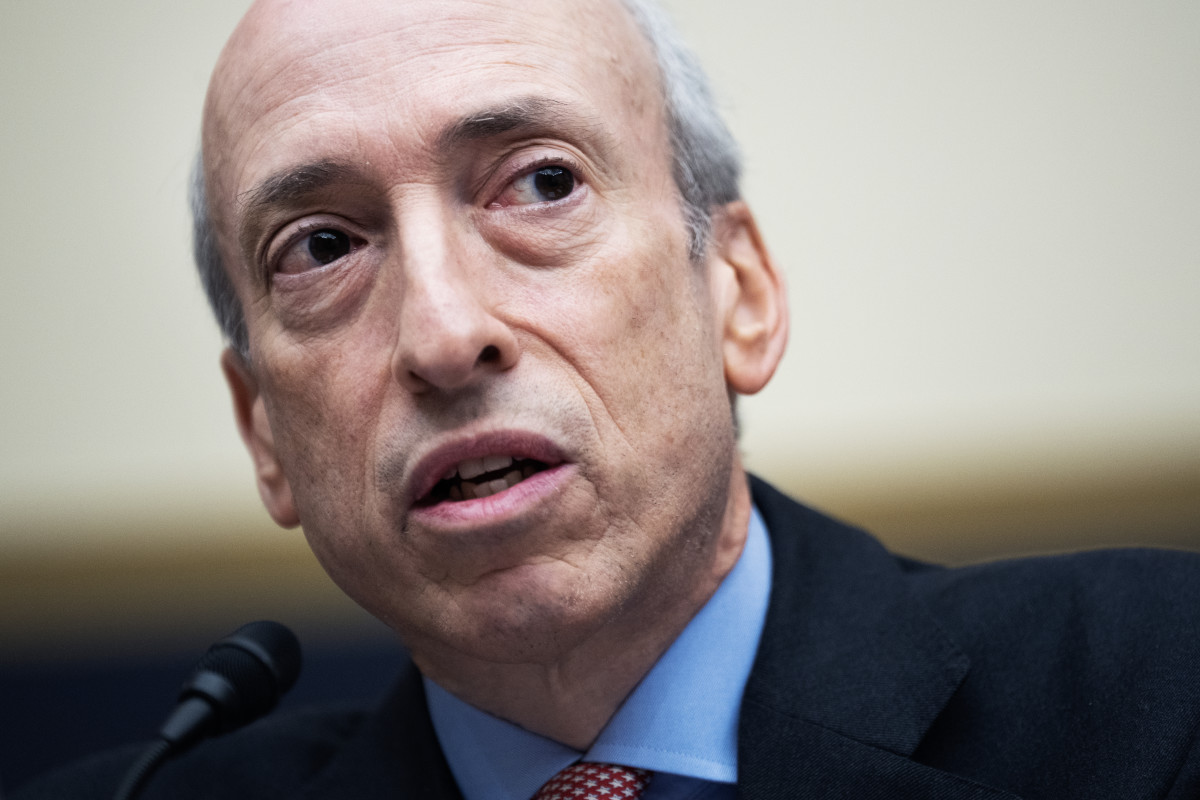
In the latest round of verbal sparring, Tyler Winklevoss, co-founder of the crypto exchange Gemini, unleashed a tirade against Gary Gensler, the ex-chair of the SEC, branding him “a total disgrace to our country.” This outburst comes hot on the heels of Gensler’s defense of his tenure during a recent CNBC interview. The stark contrast in their ideologies is a glaring reflection of the ongoing battle within the financial regulatory framework.
Gensler’s Misguided Pride
During his tenure, Gensler shamelessly flaunted his so-called achievements, which he believes have brought efficiency to stock markets. What he describes as progress—shortening settlement cycles and proclaiming himself an innovator—could merely be another suit-and-tie charade masking stagnation in the face of evolving financial technologies like cryptocurrencies. His assertion that he is “proud of what we accomplished” borders on delusion.
The Price of Fear
As Gensler casts a skeptical eye on the crypto landscape, dismissing most tokens as “speculative” and driven by mere “hype,” he reveals a chilling ignorance of the innovative potential allegedly stifled under his heavy-handed regime. His thoughts echo a conservative playbook that prioritizes fear over progress, chasing away not only innovation but also the very entities trying to carve meaningful niches in the economy.
Counterproductive Regulations?
His rigid stance on transparency—a belief that increased investor protection will help foster healthy markets—appears to inhibit rather than promote growth. The idea that reducing corporate reporting from quarterly to semiannual leads to chaos, rather than giving companies breathing room, reflects a failure to understand budding market dynamics.
The Future Ignored
The threat posed by Gensler’s policies is palpable; they risk retarding the U.S. position in the global crypto arena. While companies seek refuge in friendlier jurisdictions, innovators like Winklevoss endeavor to push back against the old guard of regulators. The result? A more aggressive advocacy for decentralization versus outdated bureaucratic ideologies. The crypto space deserves leaders who embrace its transformative essence rather than cower before antiquated paradigms.
The Reality Check
With thousands of tokens currently in circulation, Gensler’s warnings of inevitable market collapses speak to his risk aversion rather than embracing the possibility of new equilibriums in investment. This caution ultimately serves to cultivate an environment where innovation is not just overlooked but actively suppressed, contrasting sharply with pro-growth visions championed by figures like Donald Trump.
Winklevoss’s Call to Arms
Tyler Winklevoss’s remarks are more than a personal attack; they echo the sentiments of countless entrepreneurs muffled by the weight of regulatory red tape. His criticism is indicative of a broader frustration with regulators who fail to understand the digital currency revolution. In a world brimming with technological change, stagnation due to regressive thinking can have dire consequences for innovation and competition.
The Ongoing Clash
This fierce discourse illustrates a relentless clash between antiquated regulatory frameworks and the vigorous push for a transformative digital future. As Winklevoss and like-minded advocates amplify their voices, it raises an urgent question: can regulators adapt fast enough, or will they remain the relics of a bygone era anchoring down the forces of change?
As the narrative unfolds, one cannot help but reflect on the consequences of Gensler’s policies on the fast-evolving landscape of cryptocurrency and broader financial systems. The future—driven by innovation or stifled by fear—hinges on the next moves of both regulators and the champions of digital currency.
Source: TheStreet
Source: finance.yahoo.com/news/geminis-tyler-winklevoss-curt-response-171811446.html