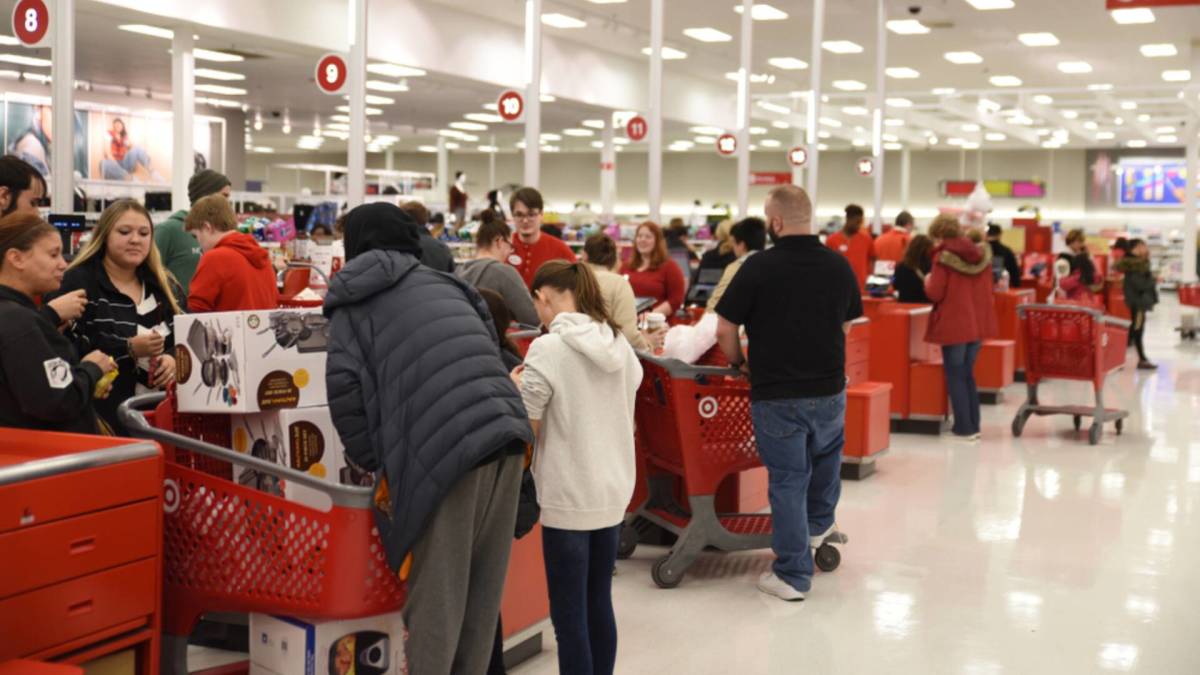
Target’s Struggles and the Call for Change
Target Corporation is navigating challenging waters, grappling with persistent declines in sales that have become increasingly hard to ignore. The major retailer has reported a troubling trend: same-store sales have dropped for three consecutive quarters. The woes are being attributed not just to economic factors but also to the backlash against its corporate policies labelled as “woke” and recent boycott campaigns.
Latest Financial Performance Insights
In its most recent quarter, Target’s figures tell a stark story. The company’s net sales fell to $25.3 billion, marking a 1.5% decrease compared to the same period last year. This decline is underscored by a 1.9% drop in merchandise sales, although there was a significant 17.7% increase in non-merchandise sales. The adjusted earnings per share (EPS) landed at $1.78, down from last year’s $1.85. Furthermore, comparable sales slipped by 2.7%, driven largely by a 3.8% decrease in in-store sales, which only marginally recovered with a 2.4% uptick in digital sales.
The Impact of Customer Perception
Current sentiments echo a shift in customer loyalty. Longtime shoppers express a discontent with the transformation of Target from a trusted, boutique-like alternative to Walmart into a brand perceived as chaotic and less appealing. This sentiment relates directly to the erosion of the “Tah-zhay” charm that made Target a go-to shopping destination. While competitors like Walmart and Amazon compete on price, Target used to draw customers in with a unique shopping experience—enjoyable atmospheres, coffee options, and product discovery embedded in its operations.
Looking to Starbucks for Inspiration
In contrast to Target’s plight, Starbucks has undergone a successful recalibration under its new CEO, Brian Niccol. Acknowledging the political discussions overshadowing their brand, Niccol has spearheaded a campaign dubbed “Back to Starbucks,” emphasizing enhanced customer experiences, menu innovations, and store refurbishments. Key measures include bolstering staff service efficiency, introducing health-promoting menu items, and renovating store formats to make them more inviting.
The Starbucks Strategy: A Lesson for Retail
Starbucks’ effort to streamline operations, such as reducing unnecessary menu items and improving digital interactions, has yielded positive results, including a much-needed rise in global comparable store sales—an impressive 1% increase after seven quarters of stagnation. Niccol’s approach demonstrates that genuine concern for customer relations and a commitment to foundational brand values can revitalize a struggling enterprise. The reflection of this commitment is pivotal for re-establishing a brand’s connection to a community, fostering an environment where both partners and customers feel appreciated.
Target’s AI Partnership and Future Prospects
Unfortunately for Target, their strategy seems less focused on core issues, as recent moves showcasing a partnership with OpenAI reveal a superficial response to the deeper, underlying problems. Analysts express skepticism that such initiatives will rectify Target’s current setbacks. Neil Saunders, Managing Director at GlobalData, argues that Target’s issues stem from operational inefficiencies rather than a lack of technological integration. Similarly, industry experts lament that Target’s focus on AI distracts from necessary adjustments in customer service and product offerings.
Final Thoughts: The Need for Strategic Reassessment
As Target lingers amid disappointing numbers, questions loom over its future direction. Investing excessively in technology without addressing fundamental operational issues could strain financial resources and divert attention from improving customer experiences. Leadership must pivot from getting sidetracked by the allure of digital innovation to rebuilding a strong, customer-centric approach akin to that taken by successful competitors. Only through recognizing and addressing the essence of customer loyalty—a blend of quality, service, and community engagement—can Target hope to emerge from its current struggles stronger and more aligned with consumer expectations.
Source: TheStreet
Source: finance.yahoo.com/news/analysis-target-needs-starbucks-win-173300023.html