Wells Fargo’s Resurgence: A Chronicle of Complacency and Control
In a staggering display of corporate revival, the Federal Reserve has decided to lift the asset cap imposed on Wells Fargo, a bombshell revelation hitting the financial sector. This limit, a byproduct of the bank’s notorious fake accounts scandal nearly a decade past, is now deemed outdated, underlining a disconcerting trend of leniency towards giant institutions that continue to operate with a sense of entitlement.
The Cost of Scandal: A Decade of Consequences
The repercussions of Wells Fargo’s unscrupulous actions linger like a dark cloud. Initially slapped with a consent order due to “widespread consumer abuses,” this bank’s sins are brushed aside as if they were mere inconveniences. The Federal Reserve’s recent shift signals a troubling precedent: a rapid ascension from punishment to a clean slate without fully addressing the pervasive corruption that led to its downfall.
The Charlie Scharf Paradigm: Clean Up or Cash In?
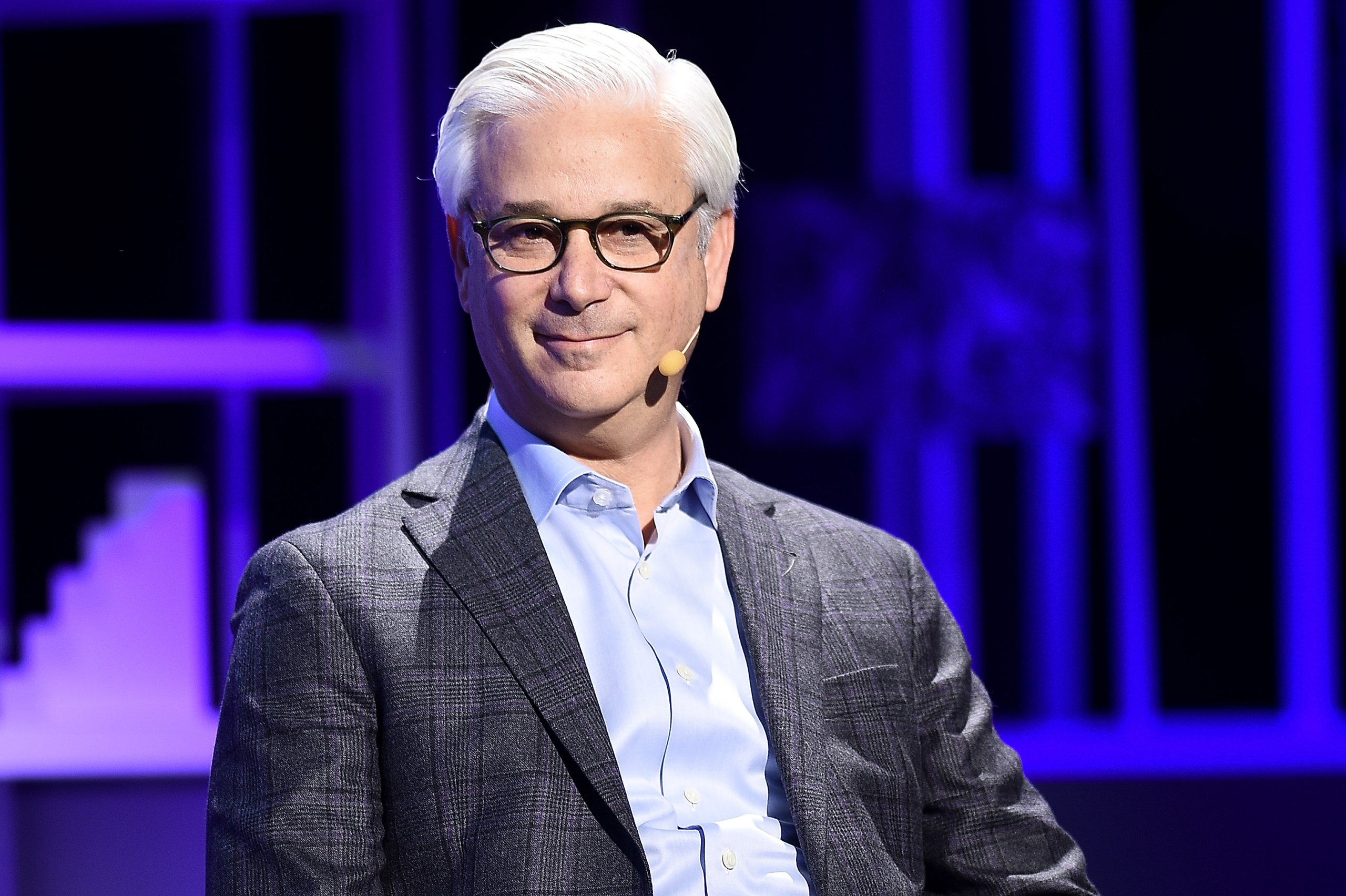
CEO Charlie Scharf, who pledged to cleanse the corporate cesspool when he took the reins in 2019, now revels in a misguided triumph. While the lifting of the $1.95 trillion asset cap is marketed as a milestone, it raises an eyebrow regarding accountability. Can genuine transformation occur when the machinery of power continues to lubricate itself with the very grease that once caused its downfall?
The Stock Market Reaction: A Mere Band-Aid on a Hemorrhaging Wound
As brokers crowed over a slight uptick in Wells Fargo’s stock—an emblem of superficial corporate health—one must question the sustainability of such volatility. A leap of 50% in stock value during Scharf’s tenure serves as a façade for deeper, unresolved issues. There is an unsettling pattern here: corporate profits thrive while consumer trust languishes.
A Burgeoning Investment Banking Ambition
With the shackles of the asset cap unceremoniously dismantled, Wells Fargo now plans to plunge headfirst into the fiercely competitive waters of investment banking. But can this institution truly pivot towards growth when its operational ethos remains steeped in past misdeeds? The company appears poised to chase after titans like Goldman Sachs and JPMorgan Chase, but the haunting specter of their legacy looms ominously over this ambition.
Warning Lights: Regulatory Oversight Remains
While the Fed may have softened its stance by lifting certain restrictions, the reality is far from rosy. Other regulatory encumbrances still cling to the bank, like a persistent shadow. The existence of unresolved consent orders regarding anti-money laundering practices remains a glaring red flag, prompting onlookers to wonder: what does true accountability look like in this warped landscape?
The Unfortunate Normalization of Corporate Malfeasance
Chairman Michael Barr’s acknowledgment of this complex balancing act—“successful remediation” accompanied by stringent oversight—suggests a mere fiction of moral rectitude. The facade of progress is upheld while the systemic issues that allowed such scandals to flourish remain unchallenged. The notion that a single penalty removal can equate to a righteous rebirth is a dangerous game.
Conclusion: A Call for Vigilance, Not Complacency
The narrative we see unfolding is not simply one of a bank shedding its past but of an institution that has danced too close to the flames of problematic ethics and consumer distrust. The financial landscape requires vigilance, especially when the titans of industry are once again allowed to roam without the chains of accountability. In this dynamic realm, the real question persists: will they ever genuinely change, or merely adapt to new mechanisms of evasion?