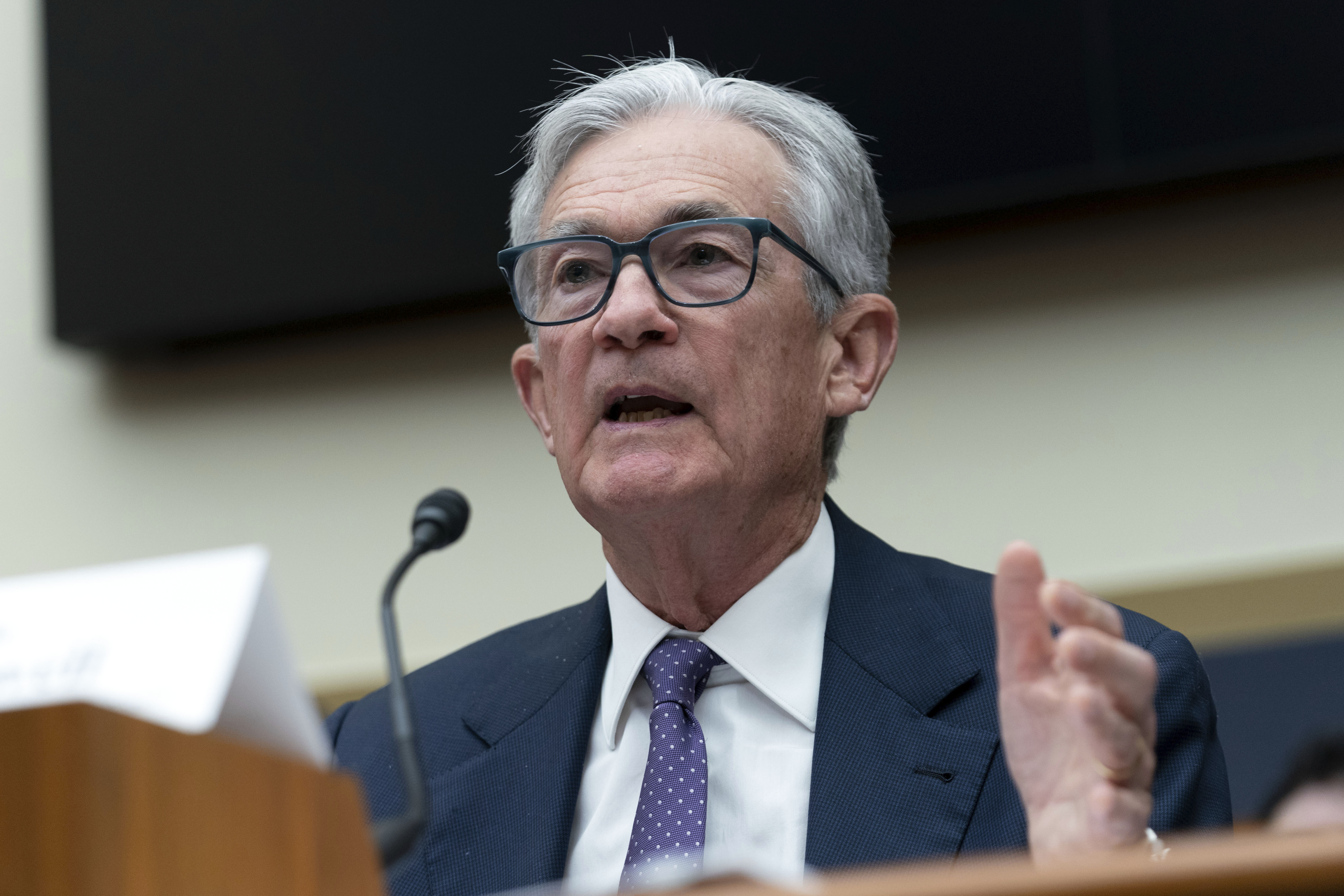
Trump vs. Powell: The Brewing Economic Showdown
When the January Consumer Price Index (CPI) data dropped hotter than expected, the financial world spiraled into chaos. Bond yields skyrocketed, stocks faltered, and discussions about interest rate cuts evaporated. Yet, in the midst of this turmoil, one thing stood out: the brewing collision between President Trump and Federal Reserve Chair Jerome Powell. Two figures. Two ideologies. And a brewing storm threatening to detonate the economy.
President Trump, hungry for interest rate cuts, is relentless. He claims that cuts are essential to fuel his tariff-centered economic agenda. “Reduced interest rates go hand in hand with tariffs,” he proclaims, pounding on his own drum on Truth Social. But Powell is unmoved. In what feels like a direct rebuttal, Powell declared that inflation hasn’t been tamed yet and the Fed will keep monetary policy restrictive, adding, “We’re close but not there… It would be unwise to speculate.” Words that reeked of defiance in Trump’s face.
Inflation Danger Zone: Tariffs Add Fuel to the Fire
Veteran economist Nouriel Roubini doesn’t hide his skepticism. He paints a grim picture where Trump’s protectionist policies—rampant tariffs, relentless trade wars—could intensify inflation rather than curb it. “Tariffs are inflationary and choke growth,” said Roubini without hesitation. Mark Zandi, Moody’s Analytics chief economist, agrees, predicting that American consumers will bear the weight of this economic misadventure as prices stretch further upward.
With energy prices climbing, food costs surging, and even insurance rates ballooning, January’s CPI data crushed any disinflationary optimism. “Disinflation is now obsolete,” Zandi stated bluntly, warning that Trump’s tariff games will not only deepen inflationary woes but also risk higher interest rates and stunted growth. And as for Federal Reserve policy? Expect a labyrinth of complications.
The Real Cost of a Policy Misstep
As the CPI sparks fears, Wall Street braces for the fallout. Goldman Sachs’ David Kostin didn’t mince words either, coldly estimating that every 5% tariff hike could gouge out 1–2% from S&P 500 earnings projections for the year. Roubini chimed in again, envisioning bleak “single-digit” returns under Trump’s “moderate” policy framework. The market correction sirens are blaring.
The Fed finds itself trapped in this tightening noose. Raising rates in response to inflation would anger Trump. Dropping them without controlling inflation could amplify the backlash from bond vigilantes. Powell’s independence, though strong on paper, is about to be tested in a battle against a president who spares no effort in attacking from his social media battlefield.
Guardrails of Uncertainty
Despite dire warnings, Roubini observes some slim and shaky “guardrails” that may spare the economy from total collapse: market discipline, Fed independence, experienced advisers, and the bond vigilantes. Among them, Roubini singles out the vigilantes as the most potent constraint on Trump’s wild impulses. The message is clear—investor wrath cannot be subdued. “If growth falters and inflation spirals because of Trump’s policies, investors will revolt,” Roubini explained with sobering clarity.
The Tariff Time Bomb
The calculated chaos of Trump’s tariff policies cannot be ignored. Moody’s Analytics models illustrate this with brutal precision—tariffs on Canada, Mexico, and China alone could spike consumer price inflation by 0.5% in just a year, accompanied by a 0.6% drop in real GDP. If this isn’t evidence of impending economic self-immolation, what is?
And what looms next? A global trade war? A squashed GDP pipeline? Roubini again calls attention to these “bad policies,” painting a future riddled with market downturns and persistently high inflation. While some cling to hope that these alarming trajectories won’t materialize, the emerging reality tells a different story. Powell’s patient approach may temper disaster, but Trump’s confrontational stance continues to expand the risk landscape.