The Great Inventory Debacle: How Companies Played the Stockpiling Game
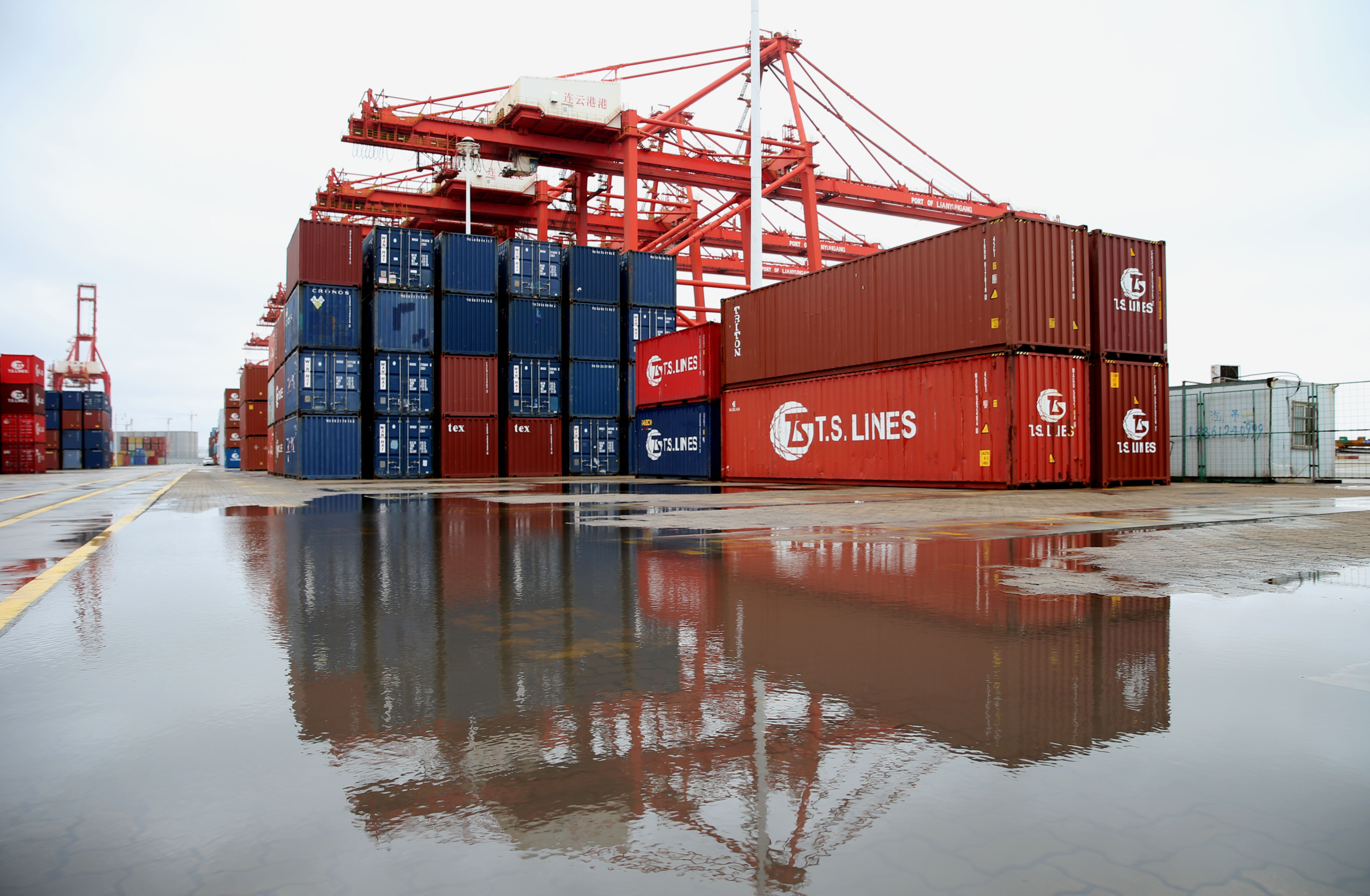
Ah, the good old corporate strategy of hoarding inventories—a desperate gamble in the face of looming tariffs. Tariffs have thrust businesses into a chaotic whirlwind, using stockpiling to cover their fear. The question isn’t whether they’ve stockpiled—it’s how much longer they can ride the tidal wave of this uncertainty before they drown under its weight.
Companies Scramble to Stockpile Amid Tariff Uncertainty
Citigroup smugly declares, “Our clients are getting ready.” Getting ready for what, precisely? A financial apocalypse delivered by tariffs? Gigantic corporations like UPS and Apple whispered cautiously about ramped-up inventory buying, making it glaringly obvious that fear is running the show. The global anxiety odyssey doesn’t stop here; Amazon and Kraft Heinz mirrored this quick-draw reaction. Even WD-40 joined the nervous stampede of stockpiling, masking it as “precautionary measures.”
A Buffer That Barely Buys Time
Deutsche Bank’s evaluation paints a hilariously grim picture. The overstock rise gives companies a flimsy “buffer” of about 1 to 2 months. Let’s not pretend—this is barely enough breathing room when tariffs drop like hammers, smashing balance sheets and eardrums alike.
Of course, the ever-wise analysts at Bank of America disagree. In their cynically skeptical tone, they are quick to sass, claiming retailers aren’t exactly brimming with extra stocks. They go further, pointing fingers at consumer buying habits as the primary culprit for inventory fluctuation instead of a coordinated corporate circus act.
Lies, Statistics, and Sinking Ratios
Enter Goldman Sachs’ grim report: The S&P 500 inventory-to-sales ratios have hit declining notes across industries. Everything from autos to apparel experienced a sheer inability to maintain healthier inventories. Corporate excuses from “supply chain nightmares” to “consumer pulls” have been a symphony of exaggerated incompetence, orchestrated in panic mode.
Golden Sachs and other analysis wield data like daggers, dissecting whether these fumbling business titans will recover at all if tariffs bloom into economic storms. And what about Walmart’s earnings speech scheduled soon? Everyone’s salivating over their inventory confessionals. Don’t even get started on retail sales reports—those numbers will speak volumes about how much has already been sold out of sheer panic.
The Clutch of Tariff Fears
The economy, though defibrillated by occasional bursts of faith, is quietly riddled with tariff-induced paralysis. If higher tariffs become reality, expect this measly buffer window to feel as effective as a cardboard umbrella in a monsoon. However, if fears dissolve into nothingness (a towering “if”), companies will swim neck-deep in pricey overstock.
But predictions on tariffs? Take a dart, blindfold yourself, and throw it at a spinning board. That will offer about as much clarity as policy analysts currently possess.
The Circus of Preposterous Predictions
Whether it’s booming, busting, or barely treading water, there are three economic “choose-your-own-disaster” scenarios swirling the investment world. One, companies rebound, laughing at early warnings. Two, market holes expand first, supposedly healing after major sacrificial bleeding. Third, the absolute doomsday looms—catastrophic irreversibility. Nobody sane bets on the third, though it lurks nonetheless.
The nation watches federal whisper campaigns, inflation spreadsheets, jobless claims, and gas prices so volatile you’d think they were scripted reality TV plots. Meanwhile, credit card data flaunts rises of consumer overconfidence or naive denial that broad inflation is slow-burning their wallets already.
Economic Pretzels and Corporate Smoke Shows
Productivity declines bother no one because apparently, no one can tell their pessimistic surveys from actual hard numbers anymore. Key sectors, ranging from autos to pharmaceuticals, are haphazardly teetering between an artificial inventory boom and crumbling sales confidence. Even gas price drops feel laughable, with faint echoes of “short-term joy, long-term misery.”
For businesses tangled within ongoing tariffs’ web-like uncertainties, obsessive pre-buying sits between strategy and comedy. Pharmaceutical firms, for example, dramatically bulk-purchased vaccines and imports until records cracked under the weight of their exaggerated urgency. Yet economists mutter the same canned response: “Let’s wait for another report.”
Panic Purchases as the New Business Model
Demand remains teasingly vibrant—consumers can’t give up spending, no matter how uncertain employment realities or the Fed’s rate posturing becomes louder. Corporate moves, layoffs, automation—I mean “cost restructuring”—are shiny buzzwords. None fixes the glaring flaws exacerbated by reactionary panic to global political saber-rattling.
Many companies are coasting, misplaying moves like a novice chess player already in check within tariff stalemates. Add jumbled projections about markets likely outperforming their own operating environments or demand metrics reliant on sustained delusions of healthy consumer habits, and it’s clear this game is far from over.
Lessons That Will Likely Be Forgotten
Adjusting rapidly while leadership spews incoherence remains today’s norm. Complex projections humor analysts who don’t even attempt veiling their doubt. Companies, meanwhile, either frantically scramble or smugly downplay looming dangers—flashes of competence perhaps drowned by endless uncertainty.
What’s next? Another set of numbers cloaked between fabricated optimism and grim truths. Markets move ambiguously, predictions deepen investor anxieties, and the cycle feeds itself. An endless ticking clock looms, daring tariffs to become reality or horror stories of overstocking warnings are etched as corporate apologies.
The long-term watchers lean back casually in their chairs. After all, they have time—a luxury most cannot afford anymore.