The US Debt Dilemma: A Ticking Time Bomb
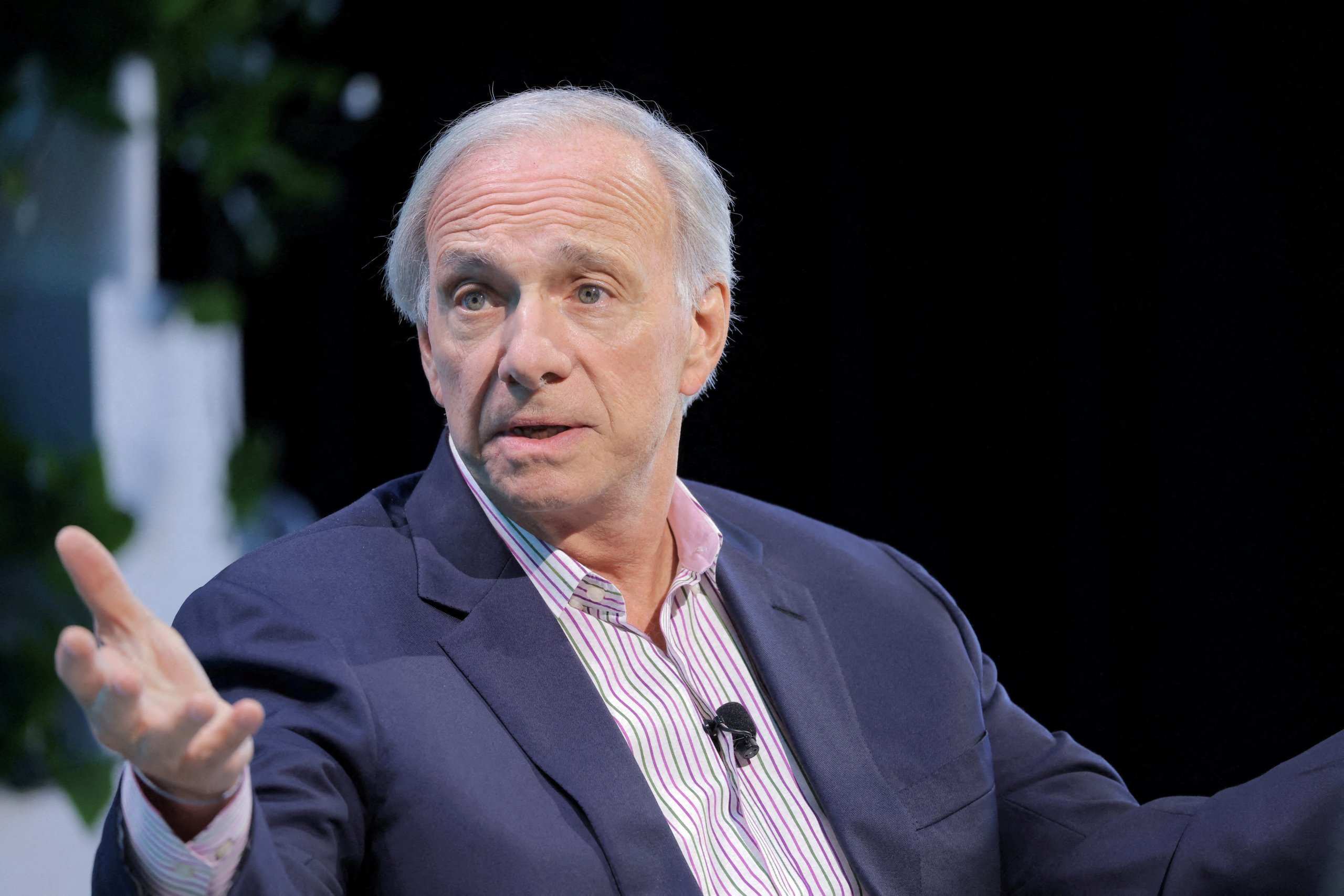
The United States is staggering under the weight of its colossal debt. Billionaire hedge fund manager Ray Dalio has raised alarms, comparing the situation to an inevitable economic “heart attack” brewing within the next three years. If anyone is still asleep, it’s time to wake up—this debt isn’t just a number; it’s a reflection of decay in the financial bloodstream of a nation.
Imagine this: a national debt that has tripled since 2000, now an astronomical $36.2 trillion. How do you even comprehend that much money? The fiscal 2024 deficit alone topped $1.8 trillion, an amount that screams financial negligence on a scale rarely witnessed. Dalio didn’t mince words in his Bloomberg interview, warning that the country must slash the deficit to 3% of GDP or laughably accept the catastrophic consequences. But who’s paying attention? Certainly not those pulling the strings.
Debt Laden Like Arteries Clogging
The metaphor Dalio used is too vivid to ignore. “When debts rise relative to the incomes needed to service them, it’s like plaque building up in arteries.” This isn’t just economics; it’s a system screaming for intervention. But what happens when no one cares to act? Interest payments acting like relentless leeches are piling onto the already bloated mountain of liabilities. When, not if, this “inflection point” hits, the fallout will be unforgiving.
What’s even more staggering? Congress has watched this disaster unfold, hands tied with incompetence or sheer indifference. Since 2000, there’s been no meaningful effort to dig out. Instead, central banks keep printing more money—a band-aid so pitifully thin it only accelerates the inevitable implosion. Dalio’s warnings about interest rate spikes and potential collapses of fiat currencies are not speculative; they’re the logical next steps for a system running on debt-fueled fumes.
Historical Patterns: Is 1971 Repeating Itself?
Dalio compared today’s climate to the 1971 monetary crisis, a disruptive period that forced unprecedented financial regulations. However, given how the United States has soared past prior mistakes without learning from them, could we expect worse outcomes this time? Maybe fiat currency warping into valueless paper isn’t just a history lesson—it’s the headline waiting to break.
Let’s also factor in recent data. Manufacturing numbers exhibit staggering stagnation; consumer confidence has plunged with chilling consistency, and inflation has held Americans hostage across daily expenses. Combined with reckless tariff policies and rising economic uncertainties, it feels like leaders are navigating by blindly walking off a cliff.
Wall Street’s Pulse Weakens
Wall Street isn’t ignoring this storm, even if lawmakers pretend to. Bearish sentiment has surged to a jaw-dropping high of over 60%, a figure that should send shivers down the spines of optimists. Investors are alarmed, and negative sentiment is spreading like wildfire. When analysts start comparing numbers to the weakest growth levels witnessed since 2022, it’s safe to say the breaking point isn’t far off.
Even the path forward highlighted by Dalio—mixing spending cuts with tax adjustments—is a politically convenient fantasy, requiring maturity likely absent in today’s governance. Brace yourselves, because as central banks drive policies into uncharted waters and public debt balloons without consequence, the only thing certain is uncertainty.
A System Set to Devour Itself
The truth couldn’t be clearer: the US economy is sitting on a time bomb of its government’s own making. Leadership failures at every level—from addressing structural debts to adapting fiscal prudence—have pushed the nation toward this catastrophic trajectory. It’s not just about numbers; it’s about choices that have consistently prioritized momentary gain over sustainable stability.
What happens next when debt accumulates unchecked? Everyone from Wall Street sharks to middle-class families will shoulder the fallout. But until this toxic cycle ends, don’t expect anything less than chaos masquerading as “economic strategy.”