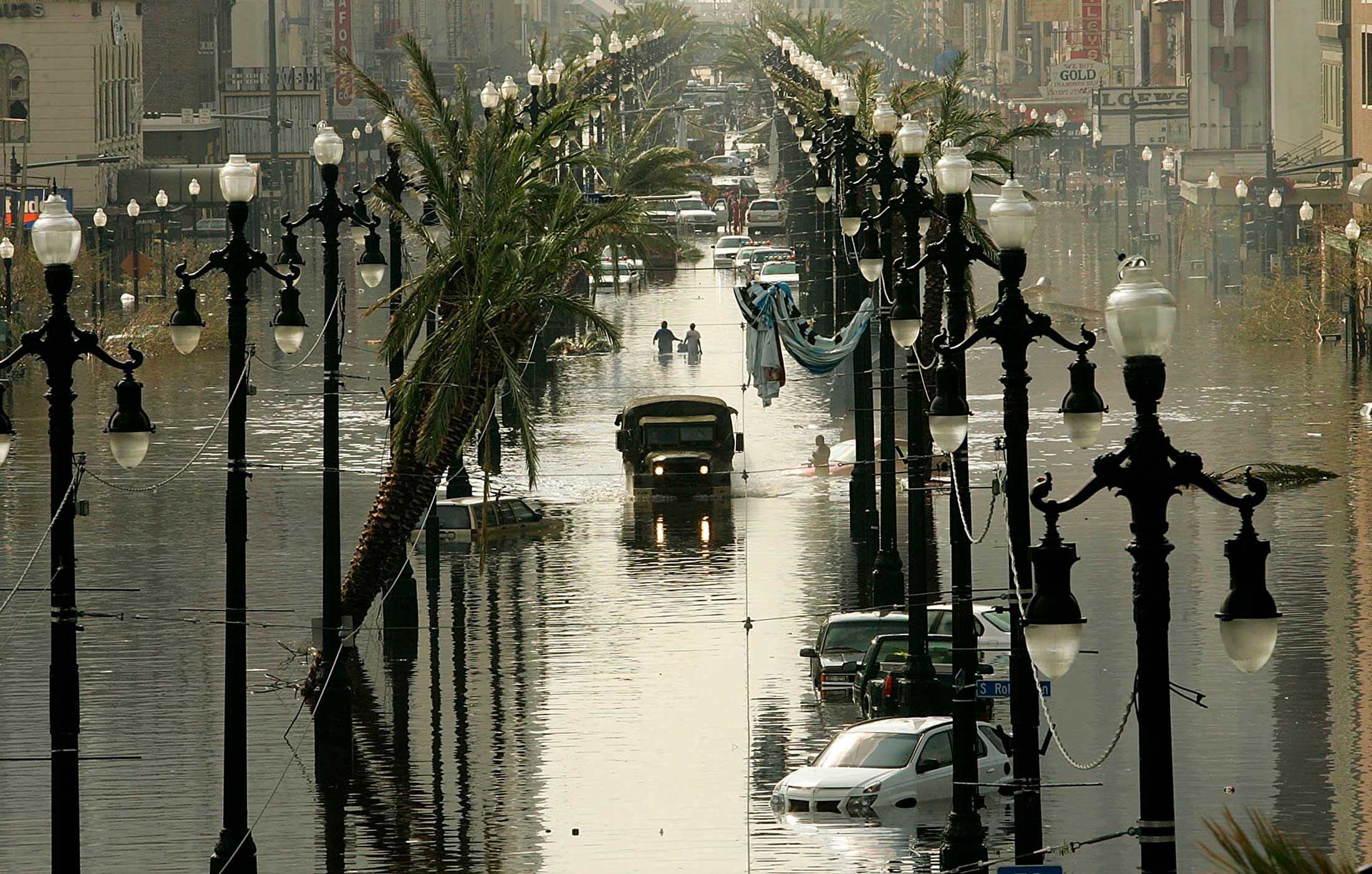
Rising Tides of Catastrophe: A Profound Shift in Reinsurance
As climate disasters become embedded in our reality, the sacred safety net designed to protect against their merciless impact is fraying, revealing a glaring inconsistency in how our insurance systems operate. The reinsurance industry, initially founded to mitigate losses from such catastrophes, is now retreating into the shadows, shielding itself from the escalating fury of storms, floods, and chaotic weather phenomena.
Corporate Constraints: The Reinsurers’ Retreat
Recent revelations underscore that the top 19 reinsurers have dramatically slashed their exposure to catastrophic losses, halving their previous commitments in a desperate bid to secure their financial standing. This maneuver is more than just a reaction; it is a calculated move reflecting an ingrained fear of unsustainable risk. With the continuing escalation of natural catastrophes leading to projected insured losses eclipsing $150 billion this year alone, their protection is becoming increasingly elusive—echoing a worrisome trend.
The Squeeze Tightens: Primary Insurers Left Vulnerable
Primary insurers are now wrestling with an unbearable weight as they confront the costs associated with an unforgiving environment, pushing them closer to the brink. They look towards reinsurers with hopeful eyes, pleading for a reconsideration of terms that might lighten their burden. Yet, reinsurers, emboldened by their newfound capital reserves—equipped to weather the equivalent of several Hurricane Katrinas—seem unwilling to loosen their grip on pricing, opting instead to enforce stricter selectivity in their coverage policies.
Demand Surges, Supply Contracts: A Market Disruption
In this grim landscape, expectations amongst primary insurers are rife; many fervently anticipate a decline in reinsurance prices. However, as reinsurers convene in Monte Carlo to hash out strategies and recalibrate their approach amidst rising disaster-related demands, the industry appears set to firmly uphold its terms. While S&P projects a moderate decrease in rates, the underlying reality is stark: profitability is now prioritized over growth, turning reinsurers into gatekeepers instead of protectors.
Secondary Perils: A Growing Concern
The scenario worsens with the emergence of secondary perils, from convective storms to rampant wildfires, which are becoming the new bane of the reinsurance world. These perilous events defy traditional modeling methods, leaving reinsurers scrambling as they grapple with unpredictability. The challenge lies not merely in measuring the risk, but in accurately pricing it, further complicating the relationship between insurers and reinsurers.
The Alarming Future: Natural Catastrophes on the Rise
As we stand on the brink of a possible climate apocalypse, the frequency of extreme weather events has surged alarmingly—from a mere 50 occurrences annually in the 1970s to nearly 200 today. This ominous trajectory signals a profound reckoning for all stakeholders involved. The inadequacy of current financial safety nets against unprecedented natural disasters portends catastrophic consequences for our societal fabric.
Conclusion: Is the Reinsurers’ Model Sustainable?
The time has come for a critical examination of a system seemingly veering towards collapse under the weight of its own failures. As the skies darken and the storms become more fierce, can the reinsurance industry genuinely protect against the rising tide of disasters, or will it ultimately fall short, leaving millions vulnerable? Answers to these pressing questions linger in the air, calling for an immediate reassessment of how we define risk and security in an increasingly hazardous world.
Source: Bloomberg
Source: finance.yahoo.com/news/p-warns-reinsurer-protections-catastrophe-180000248.html