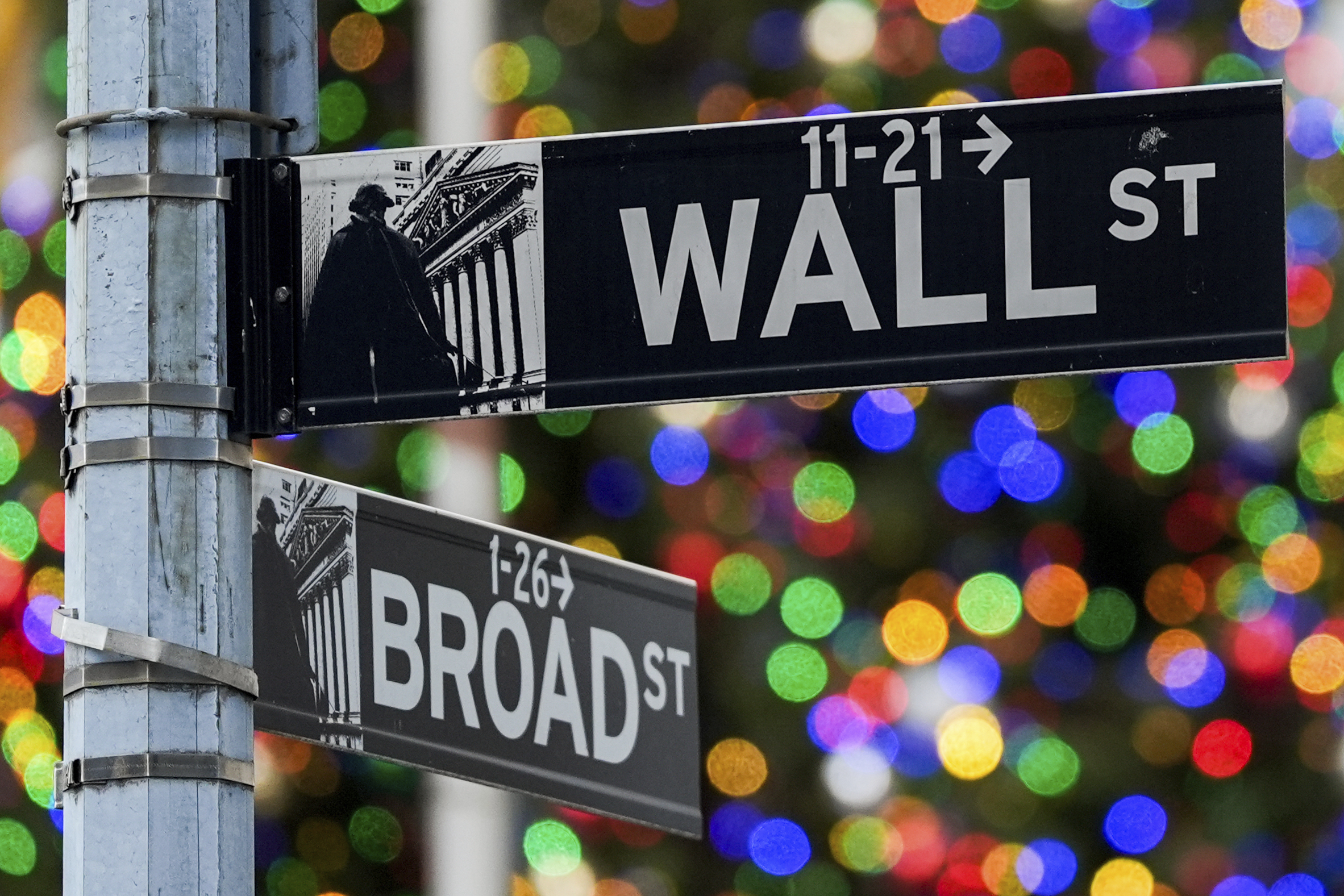
Stock Markets Rattle Amid Alphabet’s Cloud Revenue Miss
The tech industry is on vigilant watch after Alphabet’s recent financial stumble. Reports revealed fourth-quarter cloud revenue falling drastically short, a revelation that slammed Alphabet’s stocks, plummeting them by nearly 7%. Investors, as always, appear terrified of one thing: uncertainty. Google’s AI investments seem to be bleeding capital without delivering the magical returns Silicon Valley always promises.
Alphabet’s nightmare is Nvidia’s moment of glory. The chip-making giant surged over 5% as it emerged as the darling of Big Tech’s reckless AI spending spree. So, while one titan falls, another seizes the moment, feeding the insatiable machine of tech innovation and speculation.
Nvidia’s Resilience: Another Power Play in AI’s Playground
Nvidia drags itself out of the mud once again. Despite fears that cheaper AI models could dilute the demand for Nvidia’s cutting-edge AI chips, their sustained relevance in Big Tech ambitions continues. Alphabet’s announcement of a jaw-dropping $75 billion in planned capital expenditure for 2025 has fueled this surge. This grotesque inflating of corporate spending prioritizes dominance over prudence.
With Alphabet and others using Nvidia’s expensive equipment to conjure AI miracles, Nvidia retains its stronghold in this precariously inflated tech bubble. How long this bubble can float unscathed is the bigger question.
Ford and General Motors: Sobering Realities for American Auto Giants
Ford might have trumpeted a revenue beat for the fourth quarter, but investors were left underwhelmed. The company issued 2025 guidance riddled with caution, citing unpredictable headwinds and the specter of potential tariffs. CFO Sherry House emphasized, “A 25% import tariff would devastate the auto industry.”
Shares descended almost 5% in after-hours trading, a clear signal of Wall Street’s displeasure. The auto industry’s dependence on market stability—and its vulnerability to policy chaos—is becoming painfully evident in real-time.
Tariffs Threaten to Inflame Housing Affordability Crisis
Trump’s erratic tariff policies exacerbate the already harsh realities of the housing market. Higher construction costs threaten to pile on an additional $10,000 per new home, potentially inflating monthly mortgage payments and pricing out millions of potential buyers. Housing affordability, already on a ventilator, is gasping for air under the weight of economic mismanagement disguised as policy.
Even a minor increase in the average mortgage rate, from 6% to 6.25%, could disqualify over 1 million buyers from a home purchase. Tariffs may seem like a trade war weapon, but their impact is devastating ordinary citizens.
Disney’s Mixed Bag: Streaming Wins, Parks Flail
Disney somehow glimmered through the chaos, beating Wall Street expectations with a 5% revenue increase from last year. Remarkably, its streaming segment swung back into profit, providing a rare beacon of light in an otherwise tumultuous period. However, hurricanes have battered its parks, impacting profits in a segment long seen as Disney’s cash cow.
Disney’s theme parks, once a symbol of unhindered American capitalism, now test the company’s resilience against climate unpredictability and shifting consumer habits. Despite these mixed results, Disney shares still managed to tick upward by 2% premarket.
Corporate Recklessness in AI Spending
Meta, Microsoft, and Alphabet have committed to burning through $228 billion in capital expenditures this year—a whopping 55% spike from the previous year. Their collective wager on AI infrastructure is ambitious but reeks of desperation. Can these fiscal giants afford to gamble at such staggering stakes without clear-cut timelines for returns?
Investors remain cautiously skeptical. They recognize the industry’s pathological habit of hyping futuristic innovation while continuously hemorrhaging cash today.
Gold Soars Amid Trade Turmoil
As the US-China trade tension escalates with Trump’s tariffs, the thirst for stable assets like gold has surged. The gold price soared to a record-breaking high at $2,854 per ounce, offering cold comfort to investors amid growing economic instability. Markets await further chaos as retaliatory measures between these two superpowers brew, threatening to unravel years of economic progress.
In the face of such uncertain times, secure assets like gold remind us of humanity’s basic instincts for safety—playing it safe when nations play economic chicken.
Trump’s Tariff Politics: A Theater of Absurdities
The renewed tariff confrontation between the US and China paints a grim picture of global economic diplomacy. While Washington piles pressure on Beijing, China retaliates with strategic antitrust investigations targeting US tech stalwarts. Apple’s app store and Nvidia’s operations are now firmly planted in China’s crosshairs.
This tit-for-tat nonsense unveils the depth of strategic retaliation. However, amid this power play between nations, ordinary consumers and businesses brace for the fallout as tariffs drive up the cost of goods globally.
A Bleak Horizon of Policy-Induced Inflation
The Federal Reserve remains helplessly cautious amid persistent price pressures from these new tariffs. Inflation, already a gnawing concern, is poised to soar higher, leaving economists wondering if this round of chaos is sparked by overheating demand or asinine policy decisions. Rates may stay high indefinitely as central banks try to navigate these stormy waters.
This speaks to the maddening unpredictability of current global policies, exacerbated by egos and blunders rather than strategic foresight.