The Endless Spiral of Market Anxiety
A cascade of fear and uncertainty spreads through the financial landscape as precarious decisions at the highest echelons amplify chaos. Investors, already jittery after previously turbulent weeks, are now staring into the looming abyss of economic conflict. Fears of a trade war, combined with explosive disputes over Federal Reserve independence, have left markets in a volatile tailspin.
The Tariff Circus: A Self-Inflicted Economic Wound?
President Donald Trump’s incessant push for tariffs is not just incompetent brinkmanship; it’s outright economic sabotage. Chicago Federal Reserve President Austan Goolsbee doesn’t mince words—his warning of U.S. economic activity plummeting by summer highlights an artificial inflation of numbers caused by panic-driven purchases ahead of Trump’s reckless tariff maneuvers. This is no mere phase; it’s the ticking time bomb of economic fallout waiting to erupt.
As panic spreads like wildfire, even Jerome Powell, Fed Chair, acknowledges the Pandora’s box Trump has unleashed. The so-called president’s tug-of-war between price stability and achieving full employment aggravates uncertainty, crippling confidence. Yet, his attacks on Powell suggest an eagerness to dismantle vital checks and balances for personal control over monetary policy. The very fabric of U.S. economic governance hangs precariously by a thread.
Is Independence Truly Independent?
Trump’s systemic assault on Federal Reserve independence is as audacious as it is dangerous. Floating the idea of firing Powell is not just symptomatic of his relentless overreach—it’s a declaration of hostility toward economic stability. His inflammatory rhetoric, claiming Powell’s “termination cannot come fast enough,” reeks of desperation and incompetence masked as populist bravado.
Meanwhile, Kevin Hassett, one of Trump’s economic puppets, adds fuel to the dumpster fire by legitimizing discussions around Powell’s potential dismissal. Make no mistake: this isn’t policymaking. This is a demolition of institutional reliability in favor of erratic authoritarianism.
Markets Crater Under Weight of Uncertainty
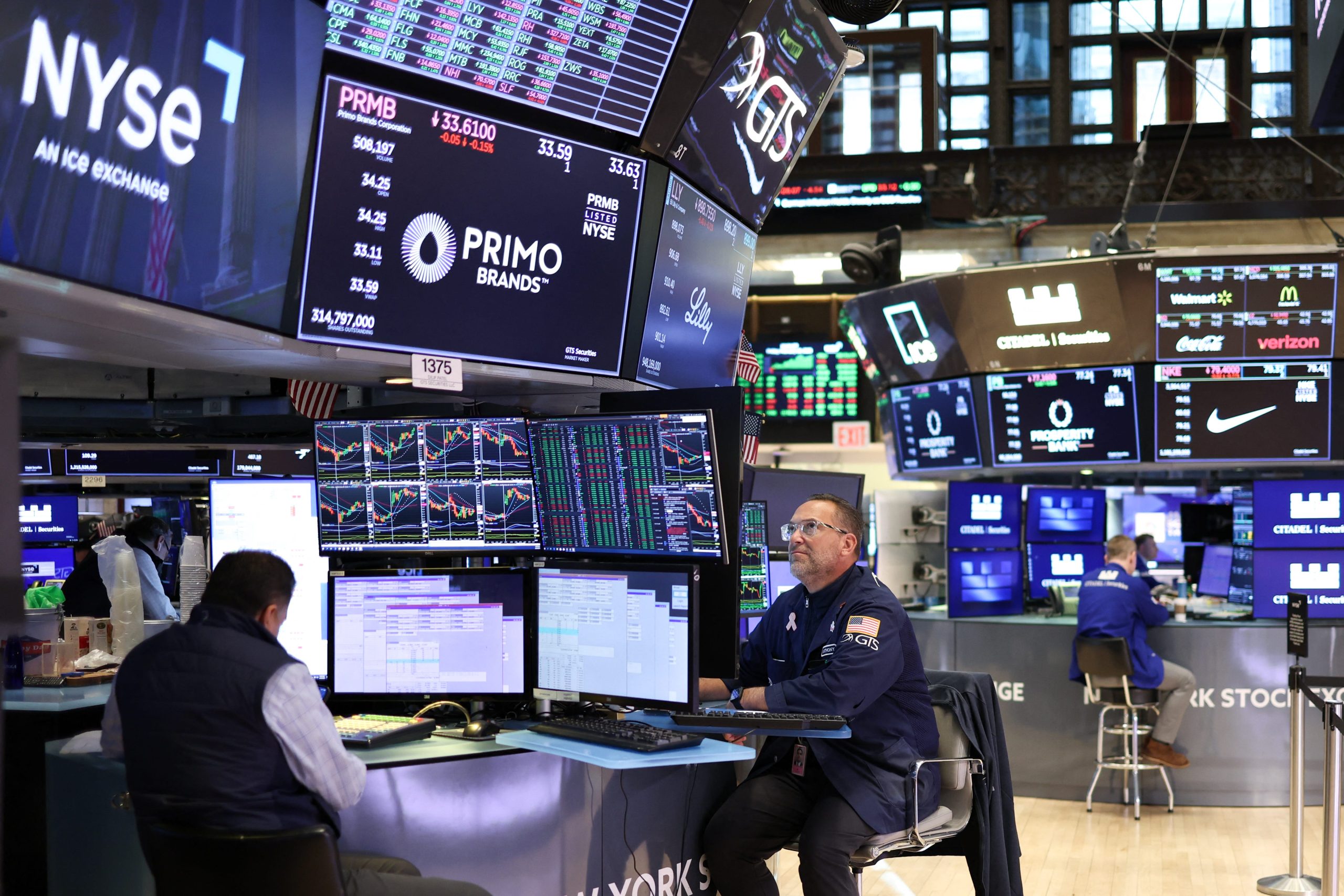
The numbers speak louder than words, and they paint a grim picture. Blue-chip Dow futures plunged a brutal 410 points (1.04%) to 38,919.00, with the S&P 500 sliding 1.31% to 5,243.00. Meanwhile, the Nasdaq, the ever-volatile tech darling, suffered a punishing 1.59% drop, shedding 292 points to 18,088.75. For those clinging to optimism, the reality is jarring—the third losing week in four for both the S&P 500 and Nasdaq doesn’t whisper instability; it screams collapse.
Corporate Landscape in the Crosshairs
Even industry heavyweights are bowing under pressure. Nvidia stumbles as news surfaces about Huawei flexing its AI muscle to mass-ship advanced tech to Chinese customers—a move that ignites geopolitical tensions further. Elsewhere, Tesla grapples with delays in its cheaper Model Y rollout, a glaring mark of vulnerability from one of the electric vehicle sector’s most worshipped players. Capital One Financial’s overtly ambitious $35.3 billion deal with Discover might make headlines, but in a bruised market, it might be nothing more than a hollow victory amid broader uncertainty.
The Descent Into Economic Abyss
For all the misguided cheerleading by administration loyalists, the market isn’t lying. U.S. economic policy is a train hurtling toward disaster, fueled by corrosive leadership and erratic strategies. As tariffs tighten their chokehold on international trade and internal political disputes gut institutional credibility, the consequences will not be confined to red or green arrows on a stock ticker. This is financial recklessness, executed without regard for the millions whose livelihoods hang in the balance. The question isn’t if the bubble will burst—it’s when that inevitable implosion will shake the foundations of global stability.
Source:
Source: finance.yahoo.com/news/us-stock-futures-down-dow-120318745.html