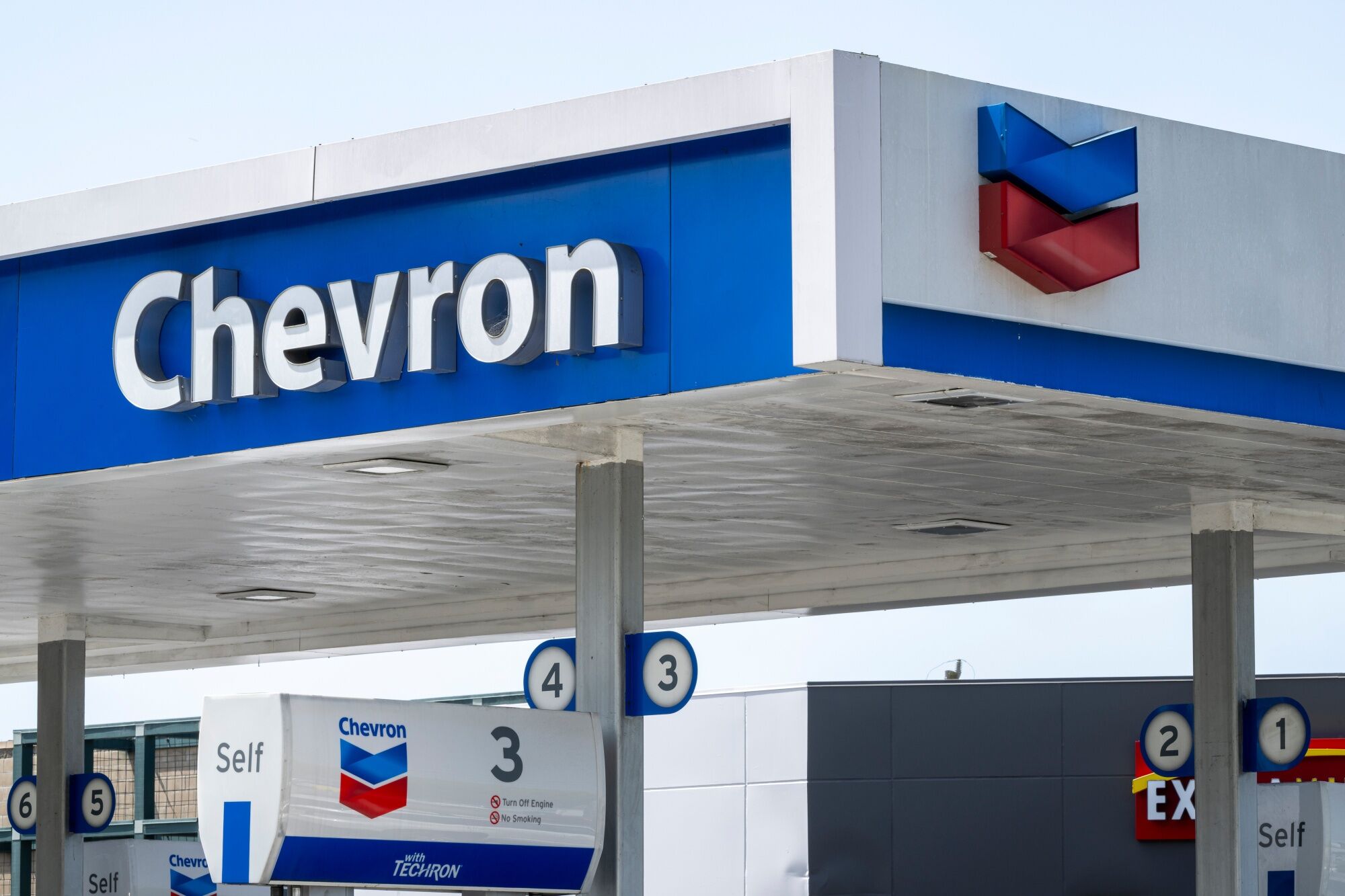
Chevron’s Triumph: A Collision of Titans
In an audacious display of corporate warfare, Chevron Corp. has emerged victorious, clinching a staggering $53 billion deal to acquire Hess Corp. This battle, stretching over 20 grueling months, pitted Chevron against its fierce rival, Exxon Mobil Corp., marking a new chapter in the turbulent saga of Big Oil.
A Turbulent Courtroom Showdown
The ruling from an arbitration court that sanctioned this monumental acquisition is more than a mere legal victory; it severely undermines Exxon’s claims of a right of first refusal regarding Hess’s assets. The sheer audacity of Exxon, which controls a significant slice of the offshore Stabroek Block, contrasting with Chevron’s strategic integration of Hess into its sprawling oil empire raises questions about industry norms and the railings of greed in the oil sector.
Market Reactions: A Mixed Bag
Following the arbitration victory, Chevron’s stock initially climbed, reflecting jubilant investor sentiment, only to stumble later in the day—a stark metaphor for the volatility and unpredictability that characterize today’s energy market. Meanwhile, Exxon’s shares weakened, indicating the broader implications of this acquisition on investor confidence and market positioning.
Strategic Stakes: The Guyana Factor
The integration of Hess’s stake in the lucrative Guyana oil fields catapults Chevron into a stronger asset position, which critics argue could have been secured sooner were it not for Exxon’s obstinate legal maneuvers. Notably, the acquisition enhances Chevron’s portfolio beyond the already saturated Permian Basin and closes the competitive gap with Exxon, illuminating the relentless pursuit of power and profit that fuels the industry.
A Multibillion Dollar Power Play
The deal is structured ingeniously, with Hess shareholders transitioning to Chevron stocks at a favorable exchange rate, ensuring a smooth transfer of power while also raising eyebrows over the massive stakes involved. The willingness of hedge funds to place significant bets on the outcome underscores the anticipation surrounding this pivotal moment.
Executives Speak: Confidence Amid Controversy
Chevron’s CEO, Mike Wirth, displayed unwavering confidence, deeming the contract a simple matter of interpretation—a comment laced with implicit criticism of Hess’s prior management under the pressures of this tumultuous engagement. Conversely, Exxon’s Darren Woods maintained a defensive posture, hinting at the company’s obligation to protect its interests amid a flurry of allegations and counterclaims that tease the line between corporate rivalry and ethical conduct.
The Aftermath: A New Era for Big Oil
As Hess transitions into the Chevron fold, the ramifications of this deal ripple through the industry, challenging old alliances and heralding a new era of aggressive corporate acquisitions. Observers are left pondering the future of competition in a sector that has long thrived on partnerships yet is increasingly characterized by cutthroat tactics and heated legal battles.
Industry Reflection: The Bigger Picture
This landmark acquisition sheds light on the seismic shifts occurring within Big Oil, compelling stakeholders to question not only the future of energy but the ethical dimensions of corporate strategy in a world increasingly aware of its climate responsibilities. The board’s decision to integrate John Hess, a respected industry figure, into Chevron’s leadership further complicates the narrative, raising alarms on potential conflicts and a future where innovation and accountability must coexist.
With this victory, Chevron has set a precedent that will define the industry’s landscape for years to come, conjuring a mixture of admiration and concern—an enduring reminder that while the game of corporate domination plays out, the stakes are unequivocally high.
Source: finance.yahoo.com/news/chevron-prevails-exxon-fight-sealing-105354306.html