Oops, A Critical System Breakdown!
The sprawling chaos of information thrown at you is nothing short of a digital nightmare. Financial markets teetering, rapeseed oil futures launching, and keynotes being streamed live—it’s all here. But behind the façade of innovation and headlines lies a deeper story of competitive failures and neglected priorities.
The CME Group’s Ambitious Gambit
Once again, CME Group decides to venture where others have floundered. European rapeseed oil futures? Really? This attempt to dominate the European grain market comes across less as innovation and more like the desperate gasp of a corporation trying to find its footing. Previous endeavors—including EU wheat and Black Sea grain futures—crumbled spectacularly. Yet here they are, clinging to scraps of the agricultural commodities market.
With Euronext holding the upper hand in rapeseed pricing benchmarks and having previously abandoned futures due to a lack of trading interest, what makes CME think the tide has turned? It reeks of a strategy filled with more arrogance than common sense.
Futures Contracts That Nobody Asked For
The upcoming contracts—set to debut in late April, provided regulatory hurdles are cleared—represent little more than academic exercises if there’s no market demand. Twenty metric ton lots? Consecutive monthly contracts? Sounds impressive until you realize it’s a gamble CME seems doomed to lose. The bigger question persists: why are these resources being funneled into a market riddled with failures rather than more impactful financial instruments?
Europe’s Oilseed Throne—A Hard Sell
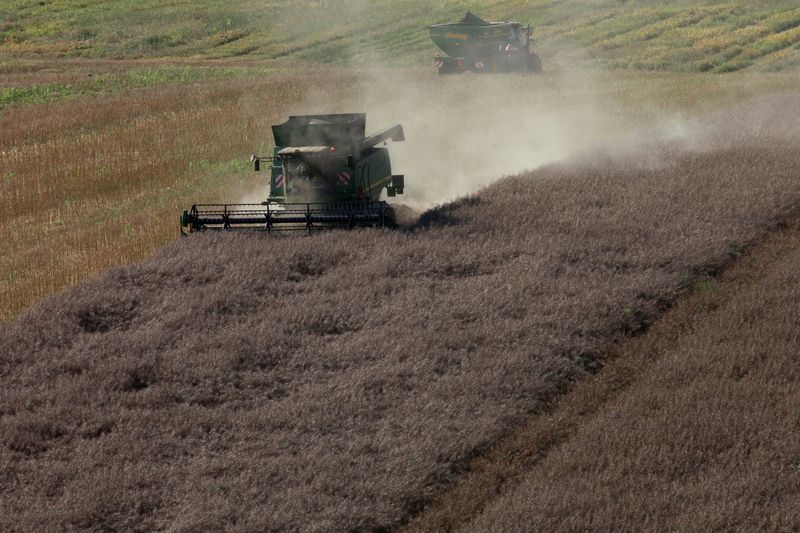
Rapeseed might be Europe’s most-produced oilseed crop, but turning that into a thriving futures market remains an uphill battle. Let’s not forget the historical perspective—Euronext abandoned its rapeseed oil and meal futures because they lacked trader interest. If that was the case before, why assume the demand has magically materialized now?
Desperate Measures in a Ruthless Market
One can’t overlook CME’s troubled history in Europe. Joint wheat contracts with Euronext have been marginally successful, but past attempts to establish dominance in commodities have been anything but glorious. Pulling out of Black Sea grain futures post-Ukraine invasion was strategic only in optics. The reality? CME’s lamentable record in winning traders’ trust on foreign soil overshadows supposed triumphs.
Will Traders Buy into This Offering?
Regulatory approval hangs heavy over CME’s latest launch plans. But let’s not kid ourselves—approval is the least of their worries. Earning trader confidence in a field where others have failed miserably is the real battle. Expanding in Europe’s grain markets without a clear edge marks nothing less than audacity flirting with disaster.
The Bigger Picture in Commodities Markets
And what about the wider implications? As CME and Euronext toy with their wheat spreads and futures games, the global grain market watches. The revolving door of failed contracts and overlapping benchmarks only leaves market participants more confused and less inclined to trust the next big offering. This repetitive cycle exudes neglect—neglect for innovation, for meaningful market tools, and most importantly, for the participants they claim to serve.
So, here we are, on the brink of another launch calculated to capture headlines but destined to face the same oblivion as its predecessors. Is CME’s push into European rapeseed oil futures a brave new frontier or just another chapter in the ongoing saga of corporate overreach?
Source: finance.yahoo.com/news/cme-group-launch-european-rapeseed-130534278.html