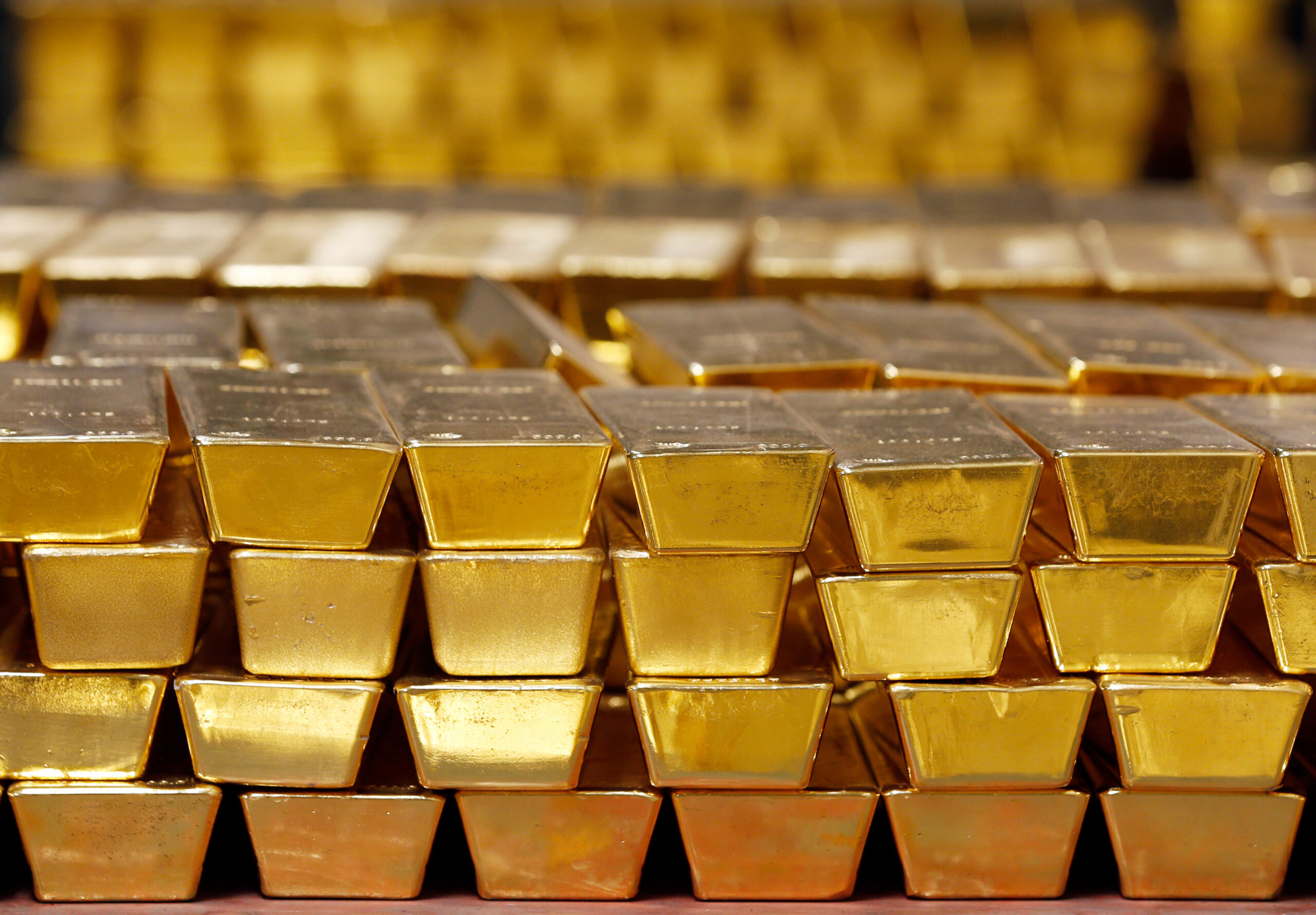
Gold Prices Plunge After Record Highs
In a stunning turn of events, gold prices experienced a catastrophic drop shortly after reaching unprecedented heights. After closing at a staggering $4,374 per troy ounce, the precious metal plummeted more than $250 — a staggering decline of 5.74% — marking one of the steepest sell-offs in years. Such volatility raises alarms about the stability of the market and the fragile psychology of investors.
The Anxiety Behind the Numbers
Historically, economic instability drives investors toward gold, often seen as a safe haven. Recent spikes in demand were propelled by President Trump’s controversial tariffs, escalating inflation concerns, and the ongoing U.S. government shutdown. These factors, coupled with geopolitical tensions and a resounding cry for security among investors, instigated an unprecedented demand surge. However, with such sudden and drastic changes, one must ponder the lasting implications of relying on a commodity so easily swayed by current events.
The Market’s Reckoning
Despite remaining up overall for the year, this week’s colossal losses have put a spotlight on the inherent volatility of gold. Analysts have pointed out that while fear and uncertainty often inflate prices, the reality may be starkly different when a correction finally occurs. The very factors that drove prices up are now being weaponized against them. Hopes for easing trade tensions between the United States and China seemed to catalyze this rapid decline; it’s almost as if the market can’t bear the weight of its own inflated expectations.
Fluctuations: The Name of the Game
The price of gold isn’t merely an abstract figure; it fluctuates with a manic rhythm that can leave investors dazed. After witnessing record highs, a drop such as this serves as an unsettling reminder that nothing goes up forever. As Swissquote’s senior analyst, Ipek Ozkardeskaya, astutely noted, the current market conditions are deeply overbought and fraught with volatility alarm bells. Will this week’s plunge signal the beginning of greater corrections, or is this a mere hiccup in a longer-term ascent?
The Dangers of Overreliance
Advocates for gold are quick to tout its virtues in diversifying investment portfolios and hedging against inflation. However, critics challenge this notion, arguing that gold’s reliability as a safeguard is overrated. Moreover, reliance on gold threatens to ignore the larger, more efficient capital protection strategies available. The precarious dance between demand and speculation raises essential questions about the long-term safety of investing in precious metals.
Environmental and Health Consequences
While the financial implications reverberate across the globe, the environmental toll of rising gold demand cannot be ignored. The increasing pressure for gold is linked to alarming spikes in mercury usage in illegal mining operations, resulting in catastrophic health consequences. Communities across the globe, particularly in regions like Senegal and Peru, face dire risks from mercury poisoning due to pollution from gold mining activities. Economic pursuits must not eclipse the profound human and ecological costs associated with them.
The Illusion of Stability
In reflecting on the astonishing highs and devastating lows experienced by gold, it becomes painfully clear that this market is anything but stable. The boom-bust cycle remains slim, and as we navigate through this turbulence, the true nature of investment in gold unfolds. It serves as a stark reminder that even the most coveted commodities are susceptible to the caprices of market forces, historical contexts, and human greed. The question remains: Can we truly navigate the perilous waters of investment without sinking into chaos?
Source: Yahoo Finance
Source: finance.yahoo.com/news/gold-prices-tumbled-recent-records-162520671.html