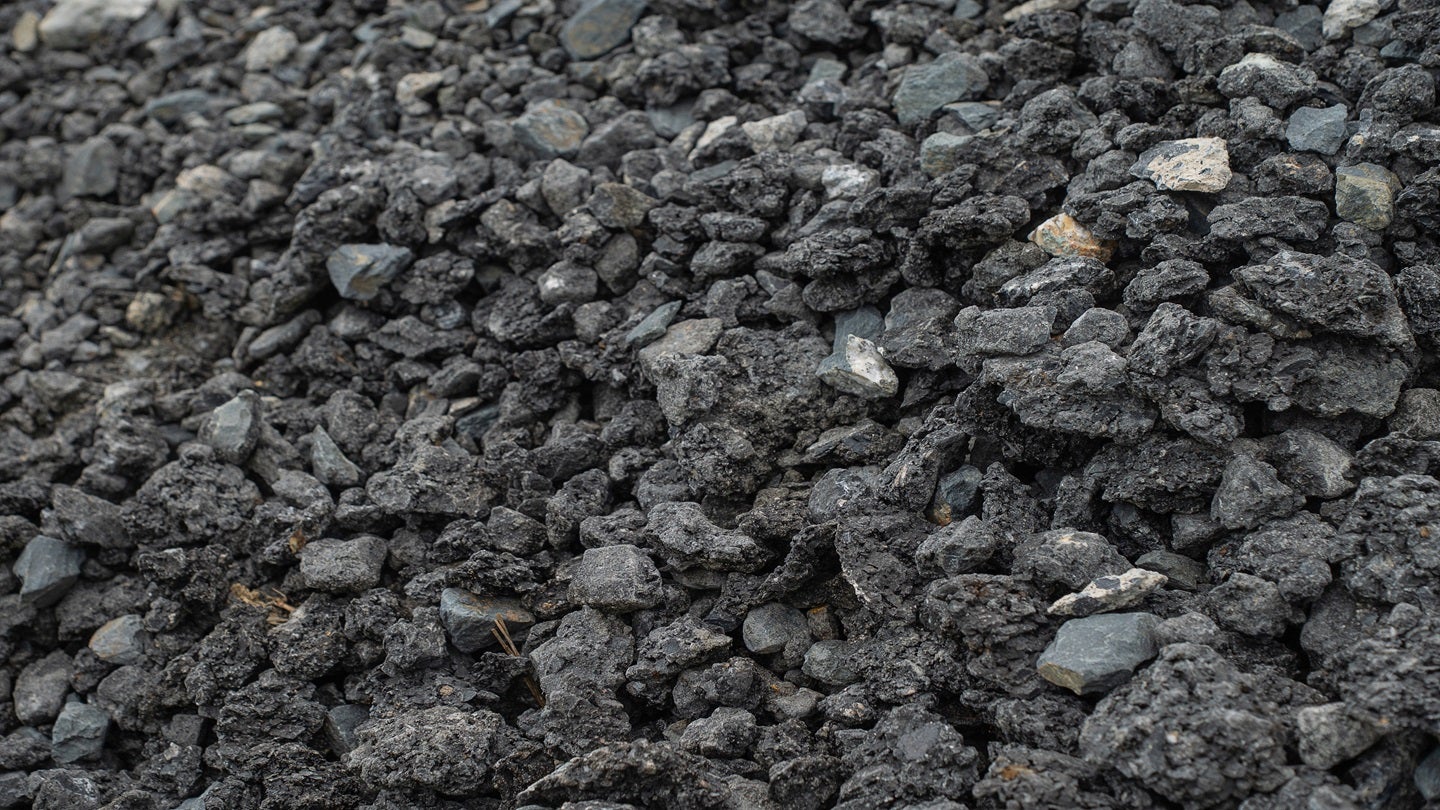
Environmental Downfall at Morowali Industrial Park
In a bold move that signifies a potential turning point, the Indonesian Government is preparing to impose sanctions on companies operating within the Morowali Industrial Park (IMIP). This glaring necessity arises from a litany of environmental violations that have plagued one of the world’s primary nickel production hubs.
Critical Issues Exposed
The Ministry of Environment has identified severe infractions, including catastrophic wastewater management practices and troubling air pollution levels. Furthermore, the usage of unlicensed tailing areas has been reported, underscoring the rampant negligence shown by these companies in safeguarding the environment.
Sanctions on the Horizon
With the proposed sanctions, which will feature hefty fines and their controversial government directives, the IMIP will face a comprehensive audit that seeks to hold these corporations accountable. Rizal Irawan, Deputy for Environmental Law Enforcement, emphasized the need for an unyielding approach, stating: “Sanctions on IMIP will be in the form of government directives and fines on companies proven to have violated laws.” This statement embodies a rare yet necessary stance from a government that has historically been lax in its enforcement of environmental regulations.
Global Nickel Dominance Under Scrutiny
Indonesia’s nickel industry presents a paradox: it generates more than half of global production yet stands accused of devastating environmental footprints and severe safety concerns. This explosive growth, largely fueled by significant investments from Chinese interests, raises crucial questions about sustainability and ethical mining practices.
Corporate Giants in the Spotlight
The Tsingshan Holding Group, a Chinese behemoth, dominates the operations at IMIP, having poured over $30 billion into the facility, which sprawls across 2,000 hectares on Sulawesi Island. It employs over 100,000 individuals, promising economic growth while simultaneously risking ecological destruction.
Safety Concerns Intensified
Earlier this year, the IMIP was put under increased scrutiny when operations were suspended following a landslide. This incident reignited alarms over the perilous high-pressure acid leaching techniques used in nickel extraction—a method that exemplifies the reckless pursuit of profit at the expense of safety and environment.
A Broader Context of Environmental Breaches
Compounding the situation, the Indonesian Government has recently rescinded mining permits for four nickel ore companies in the Raja Ampat region—a decision grounded in the wake of protests over environmental damage in a region celebrated for its stunning marine biodiversity and recognized as a UNESCO Global Geopark. This initiative highlights an emerging awareness of the need to preserve not just economic interests but the sanctity of nature itself.
Conclusion or Call to Arms?
As the government steps up its efforts to address these serious breaches, the question remains: will these sanctions be enough to instigate a cultural shift among corporations, or are they merely a band-aid on a gaping wound? The fate of Indonesia’s environment and its nickel industry’s future hangs in the balance, inviting reflection on what corporate responsibility truly means in the age of rapid industrialization.
Source: Mining Technology
Source: finance.yahoo.com/news/indonesia-sanction-companies-environmental-breaches-142753836.html