Oil and Gas: A Sector in Turmoil
The oil and gas industry has hit a crossroad of chaos, expansion, and contradiction in 2025. Decades of stable pricing have given way to upheaval from the ceaseless battering of geopolitical strife, energy transitions, and economic volatility. The sector, once a predictable monolith, now balances on a knife’s edge as global pressures collide with shifting market priorities.
Companies are scrambling to adapt in the firestorm, some clinging to outdated practices while others make weak grasps toward digital innovation and green technologies. Capital spending may glitter with a 50% increase since 2020, but the undercurrent of instability is poised to sweep that shimmer away. Predictably weak, the industry’s reluctance to overhaul itself becomes evident under scrutiny.
The Mirage of “Green” Aspirations
Corporations champion carbon capture, hydrogen innovation, and AI-driven exploration as they parade their newfound environmental “commitments.” Yet, behind this self-serving theater looms the cruel truth: these so-called “clean energy” movements are unlikely to offset the unrelenting reliance on fossil fuels. Natural gas, often feigned as a cleaner alternative, has insidiously become the crutch of the industry—disguising dependence as progress. Market watchers and analysts for once correctly note the surge in LNG futures, which are up a staggering 91.65% year-over-year at Henry Hub, driven by depleted stockpiles and soaring winter demand. Are these desperate measures or calculated exploitation? The line isn’t just blurred—it’s deliberately obfuscated.
The European market clenches the title of being the primary dumping ground for American LNG exports. Earning 55% of the crude flowing overseas, Europe’s winter despair fuels the industry’s opportunistic profits. Meanwhile, the shadow of trade wars extends into Asia, where tariffs and diplomatic squabbles exemplify how politics sabotages potential advancements in global energy security. China’s imposing 15% tariff on U.S. LNG underscores economic tensions, but more critically, reveals long-overdue cracks in farsighted planning.
The Penny Stock Frenzy
In the underbelly of this industry-wide drama lies a smaller battleground: oil and gas penny stocks. These so-called high-growth potential traps offer cheap thrills, trading under $5 and often over-promising returns to naive investors. As hype distracts from volatile fundamentals, penny stocks become a reflection of the larger industry’s moral decay—an intoxicating illusion masking imminent risk.
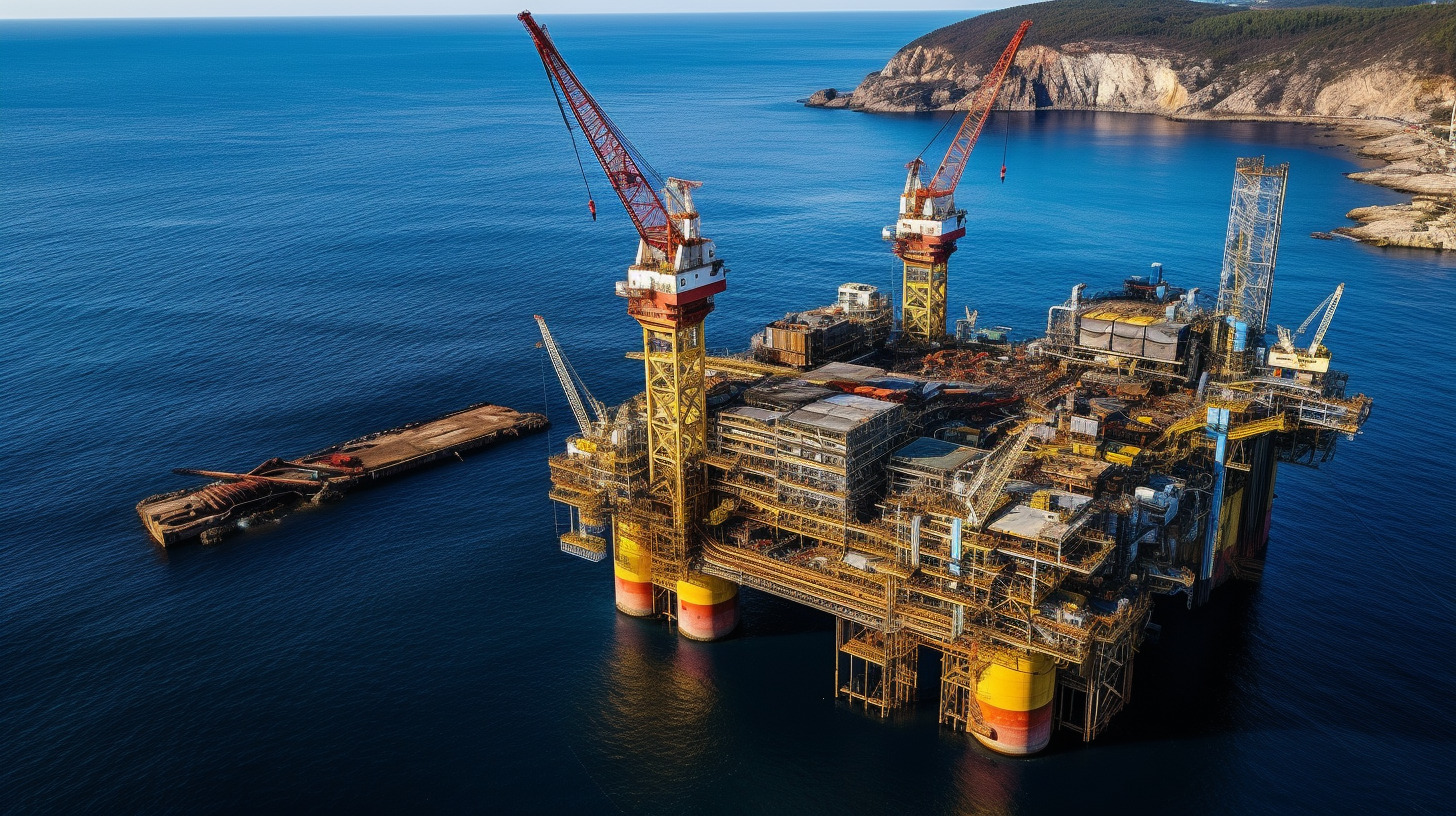
Transocean Ltd., a notable name among offshore penny stock operators, exemplifies this contradiction. Parading its technology and safety milestones, the company struggles to offset inherent market weaknesses, including a looming rig surplus in Africa and relentless currency pressures from Brazil. Though claiming liquidity buffers and marginal profits, it is apparent the façade of stability barely conceals the storm brewing beneath.
The Global Market’s Energy Roulette
Even the major players are not immune to the waves of downfall. As crude oil prices hover near three-year lows at $61.50 per barrel, once-optimistic forecasts have turned grim. Industry giants and analysts alike are pinning hope on short-term rebounds, while quietly trimming back long-term projections. The U.S. Energy Information Administration painfully echoes reality: expect an unforgiving decline to $57.48 per barrel by 2026. The phrase “profit squeeze” threatens to become a polite understatement for what’s to come.
Surging deepwater investments, set to double by 2027, are dangled as beacons of salvation. Yet, the promises of untapped subsea riches resemble more of a siren song leading straight into escalating environmental and geopolitical peril. How this sector continues to exploit finite resources under the guise of innovation reeks of exploitation writ large.
The Stagnant Energy Debate
The unrelenting reality remains that fossil fuels hold the energy sector hostage. Alternatives such as solar and wind remain frustratingly underdeveloped at a global infrastructure level, and nuclear energy still carries stigma-heavy baggage. The allure of diversification is dimmed by its slow trajectory and perhaps underestimated obstacles. While dependency on oil and gas continues, the industry’s clumsy attempts to merge tradition with innovation feel as unnatural as asking a predator to become prey.
The undeniable interplay of powerful entities, penny stock scams, and climate complacency forms the perfect cocktail of dysfunction. No multi-billion-dollar pipeline, no “greenwashed” LNG expansion, and certainly no empty promises of clean energy will salvage this industry from the contempt it richly deserves. In the mirror of its future, fossil fuel-dependent sectors might just catch a glimpse of eventual irrelevance—but only if they dare to look.
Source: finance.yahoo.com/news/transocean-ltd-rig-best-oil-141837090.html