The Deceptive Allure of Investment Strategies
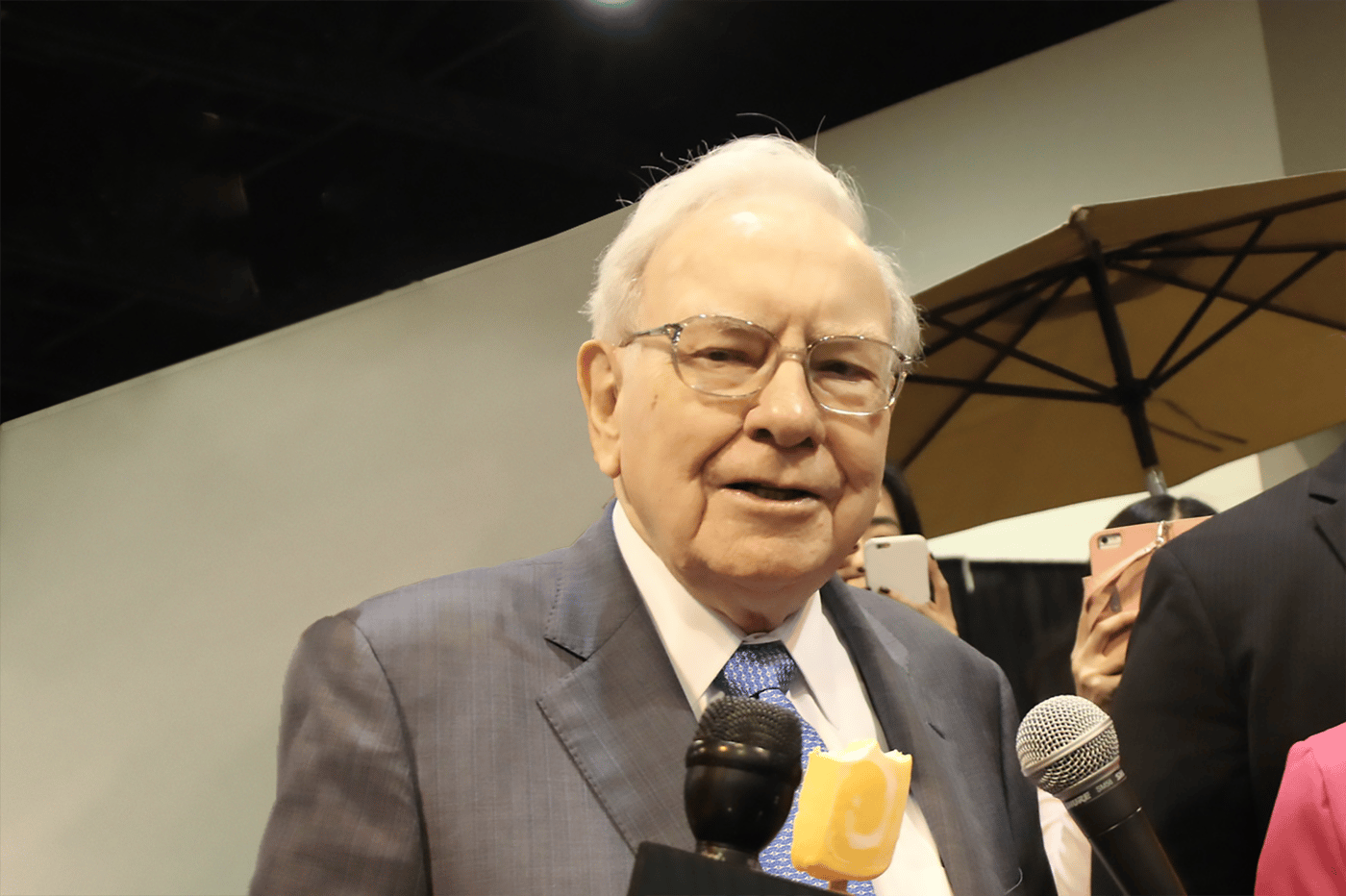
They say wisdom comes with age, but it seems even the ‘Oracle of Omaha,’ Warren Buffett, is unable to resist the temptation of repeating the same stale investment advice. Vanguard S&P 500 ETF—apparently the Holy Grail for the clueless masses who “strive” to join the investment world without lifting a single analytical finger. A low-cost, lazy-man’s dream solution, dressed up as profound financial wisdom, is making headlines yet again. Are we really this gullible?
The Illusion of Effortless Wealth
The figures seem tempting: a $1,000 monthly investment, compounded over 10 years, magically transforming into a whopping $228,000. Wow, we’re supposed to gape in amazement at the “simplicity” of dollar-cost averaging, as if it’s a life-changing revelation. The Vanguard S&P 500 ETF, we are told, is infallible—its 12.3% annualized gains in the past decade have conveniently been cherry-picked to rally blind trust from investors too naive to think critically about market volatility.
But hold on a moment—did anyone bother to mention the speculative nature of these past returns, or are we all supposed to ignore the looming specter of a market correction? The enticing promise of easy, passive wealth hides the ugly truth: nothing in the world of finance is reliable, and pretending otherwise borders on irresponsibility.
The Seductive Charade of Minimal Effort
Low-maintenance strategy? Give us a break. Slapping together a portfolio that mirrors the S&P 500 never required thought or skill. Yet for all its perceived simplicity, this approach wraps ignorance in a bow and calls it “financial literacy.” A 0.03% expense ratio, you say? How generous of Vanguard to leave crumbs for investors while raking in billions through scale. Meanwhile, countless active fund managers who could potentially protect you from a downturn are dismissed as inefficient relics. Is blindly following the herd really innovation?
The Worship of Dollar-Cost Averaging
Let’s deconstruct the near-cult worship of dollar-cost averaging. Should we applaud the elimination of market timing, or should we criticize this strategy for its insidious propagation of mediocrity? Instead of empowering investors to grasp the intricacies of financial markets, this method encourages complacency and rewards mediocrity. Consistency, we are told, is key—but at what intellectual cost?
And then there’s sector exposure. Sure, an S&P 500 ETF might diversify across industries, but let’s not pretend diversification equates to safety. When market-wide economic downturns strike, those sectors tumble together like dominoes. So much for resilience.
The Modern Passive Investor: A Pawn Dressed as a King
Buffett himself mocks active managers but conveniently skips over the detail that not every investor has the luxury of patience, nor the ability to ride out decades of volatility. Behind the thin veil of rosy forecasts lies an ugly reality: the small, patient investor might endure growing pains that these hollow promises fail to disclose. Vanguard loves selling you a dream while avoiding mention of sleepless nights during inevitable bear markets.
Furthermore, the notion that this strategy is universally accessible is laughable. Are we to assume everyone has a thousand dollars lying around each month to feed into this mythical machine of unending profit? If not, will such meager contributions even matter when wealthy institutional investors dominate the market’s movements?
The Tyranny of Blind Faith
Financial freedom, they say. Can we take a moment to appreciate the irony of preaching freedom while chaining investors to index funds that mimic existing economic hierarchies? For all the fanfare around investor autonomy, strategies like these perpetuate reliance on market trends determined by forces beyond their control.
The stark truth is this: real financial literacy doesn’t come with a subscription to passive investing philosophies. It is earned through grit, sweat, and an in-depth understanding of markets—a concept that robo-advisors and prosaic “advice” from financial elites conveniently sideline.
Conclusion? There Is None.
And so, we end not with calls to action, but with disdain for platitudes disguised as wisdom. We provide no glowing endorsements, no pat solutions. The choice remains yours—but let it be an informed one.
Source: finance.yahoo.com/news/warren-buffett-says-buy-vanguard-090800134.html