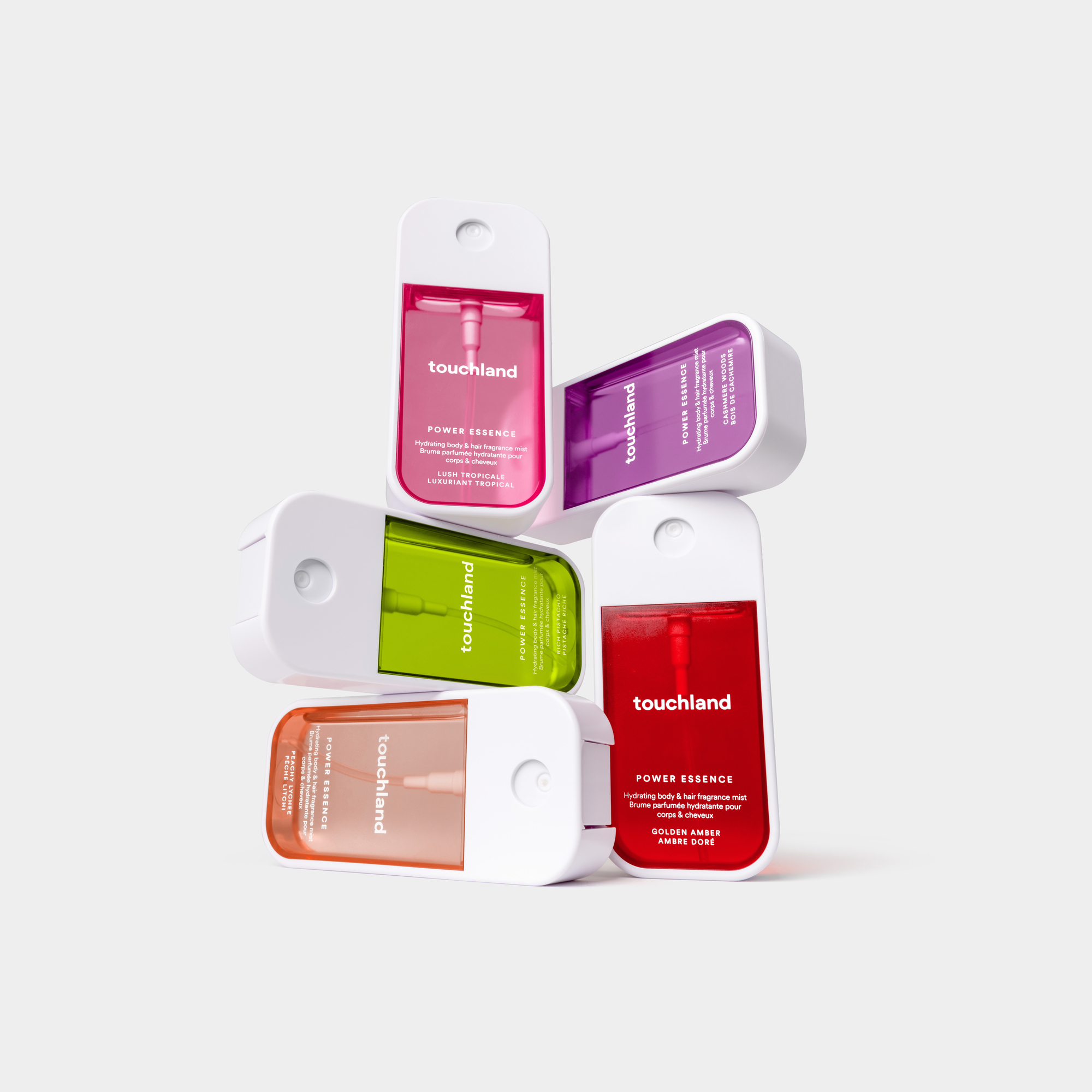
Church & Dwight Bets $880 Million on Touchland: A Strategic Gamble or Calculated Advantage?
The relentless march of corporate giants once again devours a fledgling brand. Church & Dwight has announced its jaw-dropping $880 million acquisition of Touchland, a Miami-based hand sanitizer brand. The deal, split between $700 million in cash and stock with an additional performance-based $180 million, reeks of corporate ambition masked as innovation.
The Figures Speak: Who Stands to Win?
Touchland’s financial trail might appear enticing—$130 million in net sales over the past year and a projected double-digit growth for the next two years. EBITDA rests complacently at $55 million, yet the fine print underscores a sharper reality. A brand that began as a boutique operation in 2018 now faces assimilation into the behemoth portfolio of Church & Dwight. Is this a story of growth or a sellout?
Adding “Power Brands” to the Roster: A Gilded Portfolio or a Bloated Empire?
With products spanning U.S. and Canadian markets and freshly thrown into Sephora racks in the Middle East, Touchland now teeters on the brink of corporate rebranding. Rick Dierker, CEO of Church & Dwight, smugly announced Touchland’s elevation to their “eighth power brand,” joining the likes of Batiste, Nair, and Arm & Hammer. A loyal consumer base and repeat purchases form the bedrock of Touchland, but can they withstand the inevitable overhaul from their new overlords?
Promises of Vision Versus the Weight of Reality
Andrea Lisbona, Touchland’s founder, exudes optimism—naïve or calculated? “My vision is to have a Touchland product in the hands of every consumer,” she declared with bravado, banking on the multinational’s global reach. Yet history remains unkind to boutique brands swallowed by conglomerates. Is Touchland’s ethos too niche to survive in the shadow of its egotistical suitor?
The Ruthless Efficiency of Corporate Restructuring
Church & Dwight’s decision to sell or shutter three brands—Flawless, Spinbrush, and Waterpik—reeks of a company sharpening its focus at the expense of weaker cogs. With a projected $60-$80 million hit in the second quarter for non-cash impairments and inventory write-offs, the aggressive juggling act may leave employees and loyal customers disillusioned. Strategic maneuver or reckless gamble? The bloodbath of underperforming assets underscores the unforgiving cruelty of the market.
The Cynical Optimism of the Brand’s Future
Will Touchland emerge unscathed, or will it merely inflate the ego of its new owner as a trophy acquisition? The juxtaposition of Church & Dwight’s arrogance against Touchland’s humble origins leaves an uneasy tension hanging in the air. Behind the gleaming headlines and financial jargon lies a deeper question—can big money ever safeguard the soul of a brand?
Source: finance.yahoo.com/news/church-dwight-acquires-touchland-880-170257061.html