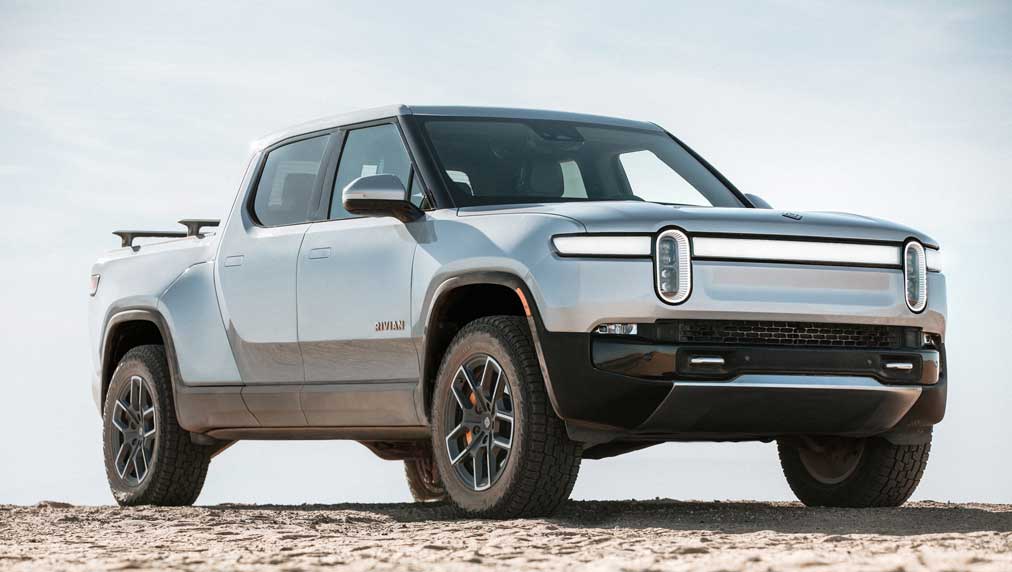
Rivian Versus Musk: A Battle of Survival
Let’s face it, a year ago, Rivian was walking a financial razor’s edge. Reporting a crippling quarterly loss of $1.36 per share and slashing 10% of its workforce — these are the bloody symptoms of a company gasping for air. And then, like a tech overlord perched on his empire, Elon Musk predicted Rivian’s liquidation within six quarters. Insolence? Or foresight?
Fast forward to today, and guess what? Rivian hasn’t succumbed to the financial apocalypse Musk boldly foretold. Investors sharpen their lenses, anxiously anticipating the EV underdog’s fourth-quarter data. But let’s not get carried away by survival alone—clinging to the edge doesn’t equate to thriving.
Heading Toward Bankruptcy or Proving Doubters Wrong?
The electric vehicle arena doesn’t suffer fools or second chances. Rivian’s meteoric rise was as blinding as its financial implosion was humiliating—a self-inflicted wound or the suffocating reality of the EV industry? How long can this relentless David-versus-Goliath spectacle keep the audience enthralled without Rivian proving its worth beyond headlines?
Tesla casts an enormous shadow, one that inexperienced disruptors like Rivian struggle to slip out from under. Musk’s bankruptcy prophecy wasn’t just a quip; it seemed to serve as a death sentence to encroach upon Tesla’s domain. But Rivian is still here. Breathing, yes. Flourishing? Hardly.
Magnificent Hype, Tepid Execution
The EV startup world may seduce you with promises of a “sustainable revolution,” but what happens when those promises become liabilities? Earnings coupled with ambitious projects but hemorrhaging cash at a horrifying rate is a familiar tune in this arena. Why does Rivian continue to lag behind while legacy automakers and newcomers ramp up innovation at hyperspeed?
Was Rivian just another boat hitching a ride on the EV bandwagon, only to struggle in quagmired reality? When margins are razor-thin and giants like BYD and Tesla dominate, is Rivian’s trajectory merely an illusory ascent destined for a spectacularly tragic descent?
Elon Musk’s Shadow Looms Larger
Elon Musk didn’t mince words about Rivian’s fate. His calculated timing, relentless confidence, and critique function less like predictions and more like veiled challenges. Can any EV player survive in his world without being consumed or crushed? Musk’s electric empire thrives on dominance—he stakes his claim and dares his competition to step foot on it.
Rivian as an independent entity feels like a precarious anomaly. Without turning the tide, it risks becoming just another sad case study in market oversaturation and corporate overreach.
A Company Still Searching for Stability
Survival is the word Rivian investors cling to, but let’s shatter the illusion—a surviving company isn’t inherently a successful one. Asking whether Rivian can foil Musk’s dire prophecy isn’t unfounded. Investors don’t reward mediocrity or near-misses. Every report, every market analysis, and every whisper about quarterly performance piles on pressure that Rivian might be woefully unprepared for.
What’s Rivian’s long-term vision? If six quarters feel like an eternity of doubt, the next six years could expose the fragile underbelly of a company struggling just to stay relevant. Rivian can lean on investor optimism only so far before the walls of speculative patience collapse.
Rivian’s Fight: Delaying the Inevitable?
The proposition is brutal: adapt or disappear. Rivian’s story of survival is punctuated not by triumph but by lingering questions. Investors wait with baited breath as Rivian tiptoes through the industry, hoping to dodge seismic collapse while managing to score some much-needed wins. Musk’s words have intensified scrutiny, and Rivian now stands at the precipice of proving itself—or becoming a stark reminder of the EV sector’s merciless reality.