A Bitter Reality Check: Tariffs Crush Cross-Border Freight and Manufacturing
Once again, tariffs have ignited chaos on the fragile tracks of global trade. The U.S. trucking industry, beaten down by three years of stagnation, briefly emerged gasping for air before yet another crushing wave of political theatrics. President Donald Trump’s crippling 25% tariffs on imports from Mexico and Canada became yet another hammer blow for countless industries across borders.
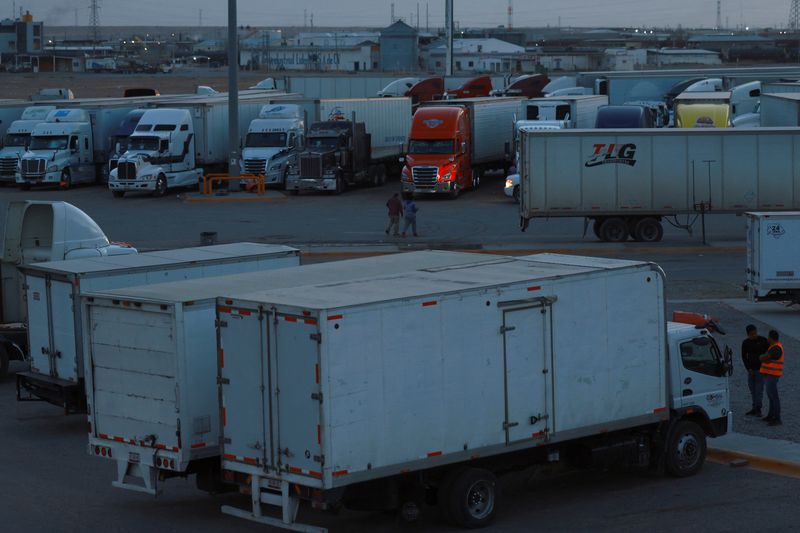
As a last-ditch effort to outpace the tariffs before the hammer dropped, companies scrambled to move goods. Spot rates surged; a rare moment of inflated activity in the long-battered freight market. Dry van rates from the U.S. to Canada soared by a staggering 18%, while the refrigerated truck sector saw a jaw-dropping 35% leap. This massive spike was a desperate outcry, an attempt to minimize the inevitable battering costs assigned to the soul-crushed manufacturing industry.
Breaking Under Stress: The Looming Collapse Looms Larger
While data shows a temporary surge in load volumes—for instance, a 57% increase on the Toronto-Chicago route—these numbers are hollow victories. Analysts like Dean Croke from DAT recognize this for what it is: panic disguised as production. Once these predatory tariffs sink in, the bloodletting in demand is all but assured. Volumes will shrink spectacularly, leaving transport companies, manufacturers, and countless communities to rot in economic purgatory.
Down in Laredo, Texas, the scene was no better. A 12% last-minute increase in load volumes, paired with a volatile 35% jump in refrigerated goods crossing into the McAllen market, paints a grim picture. Produce shippers and freight carriers alike dragged their inventory under the guillotine, knowing full well the blade would drop soon after the deadline passed.
The North-South Divide: An Uneven Devastation
On the Mexican border, however, responses reflected a more muted desperation. Dry van volumes saw a mere 1.5% increase, and rates crept up by just 3.5%. It appears Mexican freight industries, still reeling, failed to react with the sheer panicked intensity seen at the Canadian border. Produce shippers made some effort, but the lack of a cohesive response speaks volumes about the devastation expected to follow.
Death Knell for a Staggering Industry
Experts warn that the trucking industry’s flickering moment of ‘success’ will die rapidly. Firms will face seismic revenue losses as cautious shippers refuse to place orders, opting to sit in limbo while knitting together vague guesses about the duration of these tariffs. Dean Croke sums it up with brutal simplicity: “Dampened demand will reduce truckload volumes, period.” And it’s not just limited to trucking—every transportation company intertwined with cross-border commerce teeters on a pitiful edge. From J.B. Hunt to UPS, the fallout will be widespread and agonizing.
The volatility doesn’t just affect shippers. It reverberates through every vulnerable link within the supply chain. Freight companies, manufacturers, retail businesses, and even consumers become collateral damage in a chaos-fueled economic war. As the effects unfold, only uncertainty thrives.
A Manufactured Calamity with Predictable Consequences
With tariffs actively destabilizing the manufacturing sector, one key truth rings through: policies aimed at squeezing borders inevitably choke industries and lives within those same margins. As Mike Short of C.H. Robinson noted, manufacturers will approach new orders cautiously, sidestepping investment in uncertainty. The ripple effect will invariably weaken industries that were barely staggering forward before the imposition of these punitive tariffs.
Source: finance.yahoo.com/news/tariff-deadline-set-off-spike-174739933.html