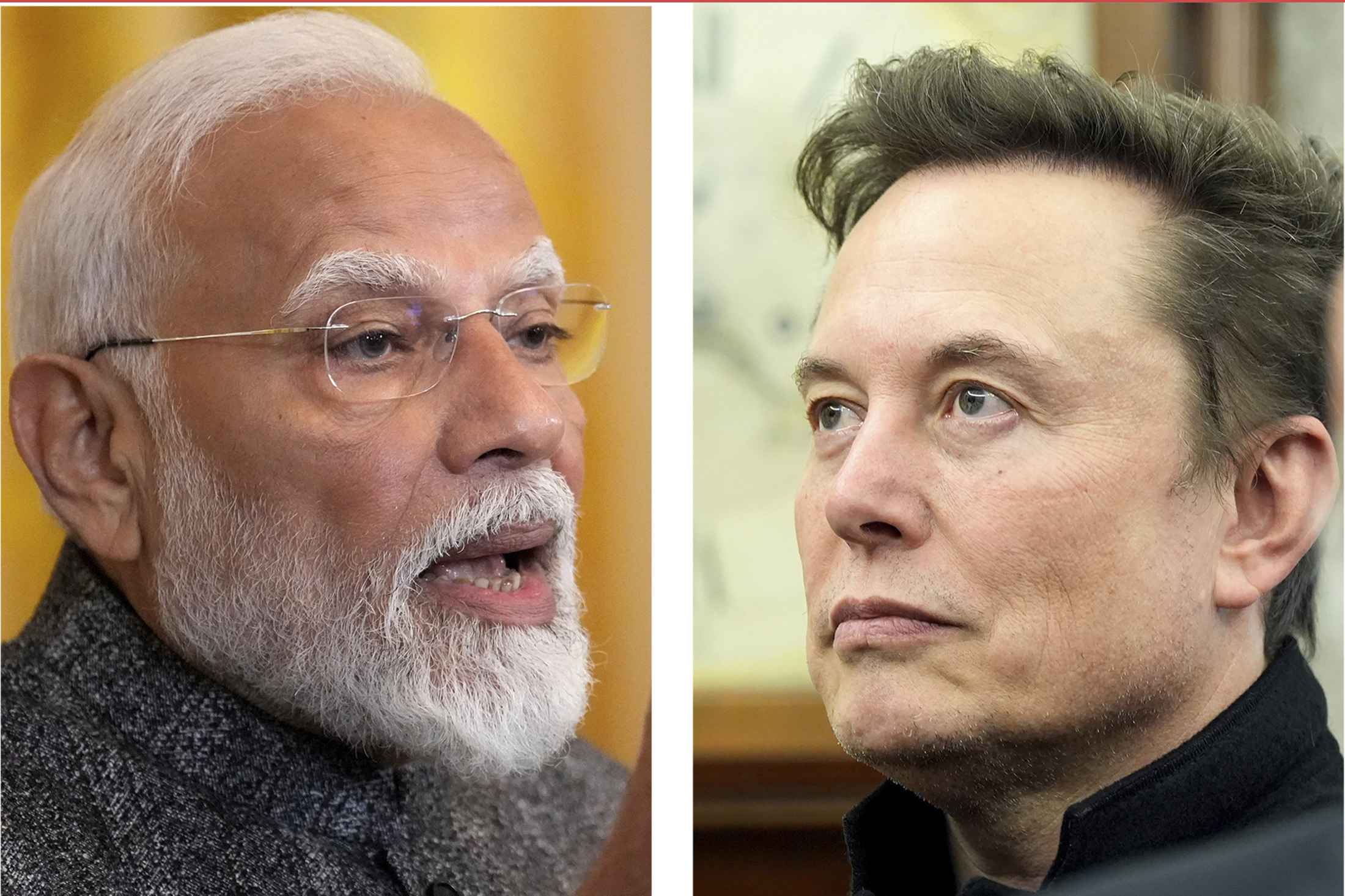
Starlink’s Clawed Move to India: A Game of Giants
It’s 2025. Elon Musk’s relentless Starlink, equipped with a celestial network of nearly 6,900 satellites, stumbles upon India’s billion-strong populace. Behind this façade of innovation, lies the grim tale of hurdles, bureaucracy, and power struggles.
Airtel, India’s second-largest telecom operator, smugly confirms its partnership with Starlink while tiptoeing around the reality of considerable approval delays. Musk dreams of providing internet to the farthest corners of India—a country where nearly 40% remain offline—but pesky policies and territorial telecoms like Reliance Jio stand guard. National security and regulatory hurdles add fuel to the already blazing inferno of opposition.
The Airtel-Starlink Nexus: A Convenient Entanglement
The partnership’s narrative paints a somewhat utopian picture, promising cheap, cutting-edge satellite broadband for India’s remote regions. Airtel boldly touts leveraging Starlink’s already “flawless” space tech while promising to harness its own massive market expertise. But here’s the slap of reality—these lofty goals ride entirely on government approvals that feel eons away.
Indian telecom networks aren’t just reluctant—they’re territorial wolves sniffing out threats. Reliance Jio, headed by billionaire Mukesh Ambani, has vociferously opposed Starlink’s entry. Meanwhile, India’s Telecom Minister Jyotiraditya Scindia left no lingering doubts last year, declaring noncompliance and delays until Starlink abides by the nation’s stringent demands.
Promises or Propaganda?
For Airtel, hanging on to Starlink rides as much on business optics as it does on retail domination. The promises to integrate Starlink kits into its network infrastructure and explore collaborations for both individual consumers and businesses sparkle—but what’s underneath?
The announcement conveniently bypasses gritty details. Why isn’t there information on precise terms, cost breakdowns, or execution timelines? Speculation aside, what Airtel gains here is a crucial narrative boost, making them appear as trailblazers willing to gamble on futuristic broadband. But is India ready to stomach this gamble?
Regulatory Labyrinth and Tech Diplomacy
Prime Minister Narendra Modi’s meeting with Musk earlier this year touched on space, technology, and innovation—a photo op heavy with undertones of diplomatic handshakes and conditional trade-offs. Yet, the government’s licenses remain elusive. Whatever goodwill existed, Starlink now stares down daunting procedures, red tape, and lingering questions about the monstrous costs looming over such ambitious ventures.
If approved, Starlink and Airtel might crack open new incentives and business models. If they don’t, it’s just another chapter in India’s cautious wariness towards foreign invasion—be it armies or satellite companies.
One Giant Market, One Colossal Mess
For now, the collaboration feels like a calculated public relations dart thrown at a convoluted target. At stake isn’t just rural access and connectivity but a battle for power between global disruptors and fiercely guarded domestic monopolies. The 1.4 billion people, who remain caught in bandwidth darkness, linger as pawns—or victims—in this saga that straddles ambition, profit, and geopolitics.
Source: finance.yahoo.com/news/musks-starlink-bharti-airtel-sign-144937890.html