The Spectacle of Berkshire Hathaway: Where Capitalism Meets Reverence
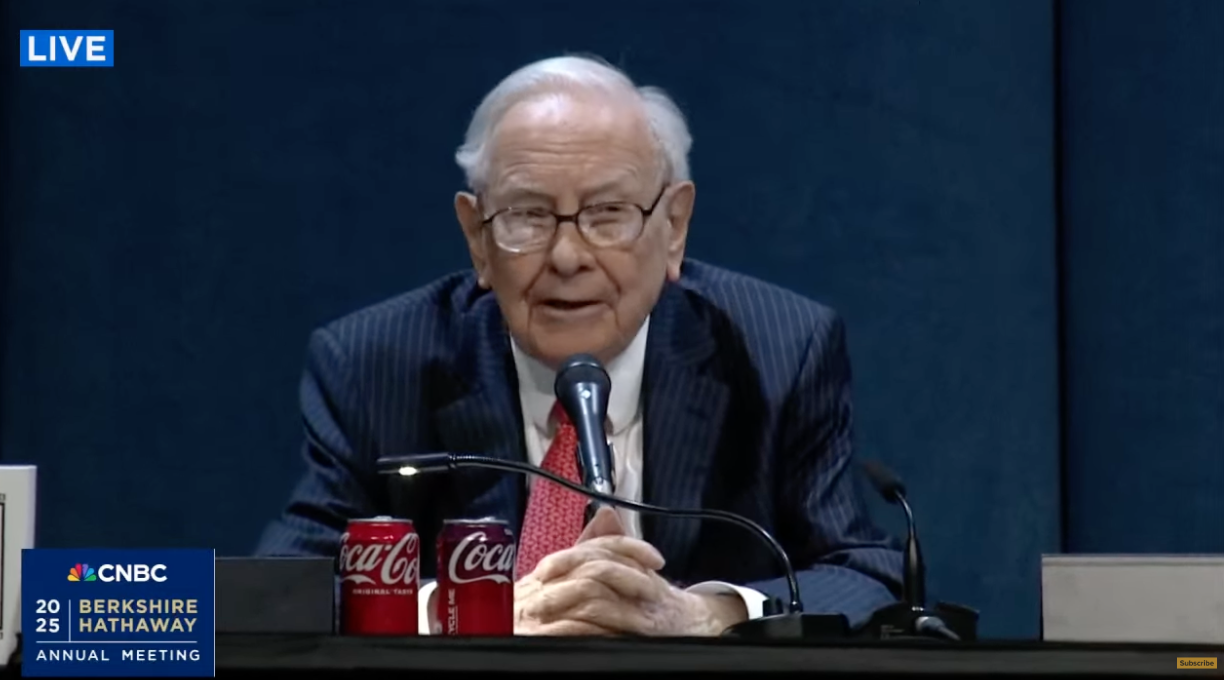
Every year, a grand stage is set in Omaha, Nebraska, where the gilded corridors of finance converge under the banner of Berkshire Hathaway. At its helm, the ever-enigmatic Warren Buffett delivers sermons of investment philosophy rooted both in ageless wisdom and an unapologetic critique of socio-economic behaviors. Dubbed the “Woodstock for Capitalists,” this gathering is less of a shareholder meeting and more of a financial pilgrimage transcending mere balance sheets and quarterly reports.
Trade: The Noose, Not the Lifeline
“Trade should not be a weapon,” Buffett declared, piercing through the clouds of tariff-induced uncertainty. With an audacious critique of global trade policies and a swipe at the chest-thumping ethos of economic dominance, he reminded the world of its teetering relationships. While politicians crow about victories, Buffett underscores the alienation of billions—the price of wielding trade as a bludgeon.
Yet, in the wake of this rhetoric came the subdued acknowledgment of what has become an unfortunate ritual: America’s descent into economic skirmishes cloaked as policy. Buffett’s sentiment was clear—this isn’t strategy; it’s self-defeat.
The Abyss of Insatiable Size
Berkshire Hathaway’s swelling empire has become a gilded prison of its own success. “It’s too bad that Berkshire’s gotten as big as it is,” Buffett lamented. His candor reflected not pride but regret—the peril of an empire too colossal to sustain meteoric success. The very size that feeds optimism fuels friction, casting shadows on ambitions limited not by appetite but by opportunity.
Even with an eye-watering cash reserve of $347.7 billion, the conglomerate remains a reluctant shopper in a market riddled with minefields of overvaluation and fleeting gains. The spotlight on stock buybacks and acquisitions unveiled an unyielding patience rare in Wall Street’s fever dream of impulsiveness.
The Stark Reality of Investing’s Disorder
Buffett’s principle that the investment business thrives on chaos, not order, strikes a sobering contrast to Wall Street’s race to anticipate every turn. “Things don’t come along in an orderly fashion,” he said, reminding the audience that volatility is not an anomaly but the lifeblood of the financial markets—a lesson oft ignored by fair-weather investors seeking perpetual calm.
There’s no comforting cadence in his playbook, no refuge in algorithmic predictions. His narrative mocked the impatient, the speculators chasing trends, exposing their understanding of investing as shallow at best.
Buffett and AI: A Glance, Not a Leap
Greg Abel and Ajit Jain, successors to the Oracle of Omaha’s throne, guardedly elaborated on Berkshire’s stance on artificial intelligence. Jain’s statement that AI would indeed redefine how risk is assessed, priced, and managed came paired with a damning indictment of industry hype—a cautionary tale of pouring billions into fashion-driven technologies.
Jain’s views echoed Buffett’s overarching doctrine of discernment: the refusal to gamble without clarity. The casual dismissal of being a “first mover” stood in defiance of corporate peers burning cash for vanity projects masquerading as innovation.
The Disneyfication of Apple’s Impact
Tim Cook, the understated yet impactful CEO of Apple, received Buffett’s rare public gratitude. In his self-deprecating tone tinged with admiration, Buffett credited Cook for creating more value for Berkshire Hathaway than even he himself had managed. Apple isn’t a mere investment for Berkshire—it is the altar at which Berkshire worships innovation and resilience.
While Cook carries forward Steve Jobs’ legacy with subtle brilliance, it’s Apple’s seamless ability to be the center of stability in Buffett’s chaotic investment narrative that strikes deeper resonance. Portfolio managers can only envy this alignment of foresight and timing.
Operating Margins Aren’t Prophecies
The drop in Berkshire Hathaway’s operating profits doesn’t unsettle the towering empire. While others read dismal profit results as potential turbulence, Buffett sees in it mere accountancy. For the Oracle of Omaha, the real treasure lies not on quarterly charts but in strategic readiness—a staggering $347.7 billion cash pile attests to the plethora of potential.
The interchange of unrealized gains and losses is, after all, a predictable farce wherein Wall Street micro-analyzes cycles, ignoring the broader narrative. Berkshire’s chessboard reflects moves not for tomorrow’s headline but the next decade’s verdict.
An Investment Pope Exposing Ignorance
Emerging through layers of conversation about trade, tariffs, AI, and restrained investment movements, Warren Buffett remains part oracle, part executioner of market myths. Elite shareholders and novice investors alike crave his rebuke—a harsh mirror against the polished but fragile philosophies that underpin modern corporate arrogance and political ineptitude.