Buffett’s Shocking Exit: The End of an Era
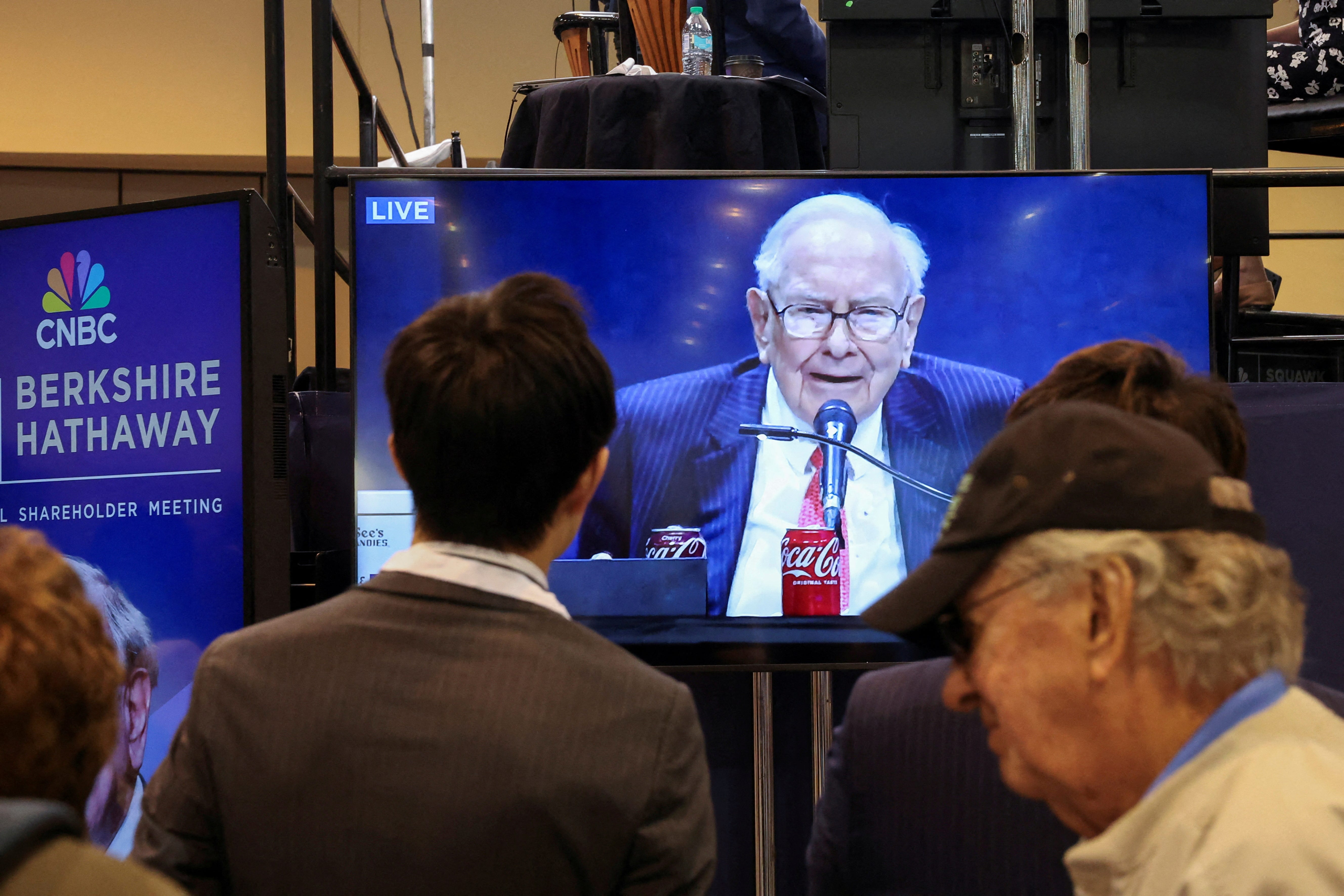
Warren Buffett, the billionaire investor who became synonymous with the rise and dominance of Berkshire Hathaway, has announced his exit as CEO. In a world where predictability in leadership is a myth, Buffett managed to hold his fortress for six long decades, twisting and turning the threads of failure into a trillion-dollar empire. But now, at age 94, he is finally stepping down. The announcement, made during Berkshire’s annual shareholder meeting, left the crowd stunned and set the financial world abuzz. The iconic figure declared, “The time has arrived,” appointing Greg Abel as his successor.
A Leadership Bombshell: Greg Abel Gets the Nod
Greg Abel, the quiet yet formidable vice chairman of Berkshire Hathaway, received Buffett’s endorsement. The decision wasn’t whispered in private boardrooms—it was a bombshell dropped in front of unsuspecting board members and shareholders. “Greg doesn’t know anything about this that I’m telling you right now,” Buffett remarked, leaving an audience alternating between gasps and laughter. Yet, one thing is clear—Abel won’t just be steering a company; he inherits gargantuan expectations, a sprawling empire of subsidiaries, and a legacy no successor should envy.
Berkshire’s Colossal Machinery: Abel’s New Realm
Let’s not kid ourselves: Greg Abel isn’t stepping into the shoes of an ordinary CEO. Berkshire Hathaway is a monster in the corporate world, a conglomerate that devours industries and spits out profits. From railroads to utilities, retail to manufacturing, the more than 90 subsidiaries under its umbrella are as diverse as they are colossal. Abel, who joined the board in 2018 as vice chairman overseeing the non-insurance operations, will need more than standard corporate competence to helm this unparalleled giant.
Buffett’s Legacy: Extravagance, Control, and Power
Buffett’s tenure as CEO wasn’t just about running a successful company—it was about controlling the levers of power in ways most leaders could only dream of. By turning a flailing textile company into one of the most influential corporate engines in American history, he set benchmarks that future CEOs will likely crumble against. “I found myself in this position where I can run the kind of company I want to run,” Buffett boasted at the meeting. The understatement masks an audacious career defined by economic dominance.
Corporate America Watches with Suspicion and Awe
Shockwaves were immediate. Shareholders celebrated Buffett’s legacy, but many harbored deep anxieties about what comes next. “It surprises me, but it impresses me,” conceded Ron Olson, a Berkshire board director. Elsewhere, financial analysts speculated on the practicalities of this shift. Would Abel offer much-needed stability, or would the company devolve into chaos without Buffett’s heavy-handed control? CFRA analyst Cathy Seifert suggested a desperate “business as usual” attempt to maintain direction, but was it optimism or denial?
The Inevitable Question: Can Berkshire Survive Buffett’s Shadow?
Buffett’s departure feels seismic not just for shareholders but for the financial world at large. Berkshire has defined resilience and growth, but does it have a soul without its founder’s unrelenting grip? For Abel, this will be both an opportunity and a curse—a throne carved out of decades of legendary achievements, but a throne soaked in pressure and expectations. Shareholders will need to brace themselves; if this transition falters, the empire could unravel.
The Final Bow
And with that, the man who once humbly described his position as “an extraordinary luxury” has decided his time is up. Whether Greg Abel will be remembered as the executor of a seamless transition or the custodian of the conglomerate’s decline remains to be seen. Buffett’s self-proclaimed “zero” intention to sell his Berkshire stock has made it clear: his presence might fade from the CEO’s desk, but his shadow? That may loom forever over the corporate world.
Source: finance.yahoo.com/news/warren-buffett-step-down-berkshire-182837064.html