Market Trends: Navigating the Financial Minefield
Market trends are fickle beasts, often subject to whims of macroeconomic forces and investor sentiment. The latest data shows that slight gains were nullified by looming threats, exemplified by the recent U.S. debt downgrade. Investors are left questioning the stability of their portfolios as the narratives surrounding economic health shift like sand underfoot.
The Big Picture: Unearthing Hidden Insights
The so-called “Big Picture” often disguises the unsettling realities that lie beneath the surface. Investors are inundated with a barrage of stock market data—DOW, NASDAQ, S&P 500—but what does it all mean in the grand scheme of things? Tread carefully; the data can be misleading, obscured by a veil of optimism in an uncertain economic landscape.
Every Day is a New Battle
Every trading day brings a new set of challenges. Investors can no longer afford to sit in complacency, waiting for fortunes to materialize. Stocks that were once deemed safe are now rife with volatility, leaving shareholders scrambling. The shifting landscape demands agility and a keen eye for potential threats before they engulf portfolios.
Analyzing Stock Market Movements
When dissecting the movements of individual stocks, such as those hovering near buy zones, it is crucial to recognize the underlying trends and psychological indicators affecting investor behavior. Stocks may look attractive on the surface but are often riddled with risks that can shake the very foundations of trading strategies.
The ETF Market Strategy: A Double-Edged Sword
ETFs remain a popular choice among investors seeking diversification. However, this strategy is not without its pitfalls. Many fail to assess the intricate dynamics of underlying holdings, which can lead to ill-fated decisions. A lack of thorough analysis can result in significant losses disguised by the allure of “low-risk” investing.
The Role of Psychological Indicators
The market behaves almost like a living, breathing entity, influenced heavily by psychological indicators. Investors’ fears and euphoria can send ripples that distort true market conditions. As emotions run high, even rational decisions can become casualties of anxiety and greed. Understanding these psychological dynamics can separate the winners from the losers.
Stocks to Watch: Deceptive Lures
In the quest for wealth, eyeing stocks “to watch” can be a deceptive lure. While these lists may serve as a guide, they often overlook market fundamentals, emphasizing the flashy headlines over grim realities. Are investors chasing the next big boom, or merely setting themselves up for a dramatic downfall? The stakes have never been higher.
IBD Stock Checkup: What Lies Beneath
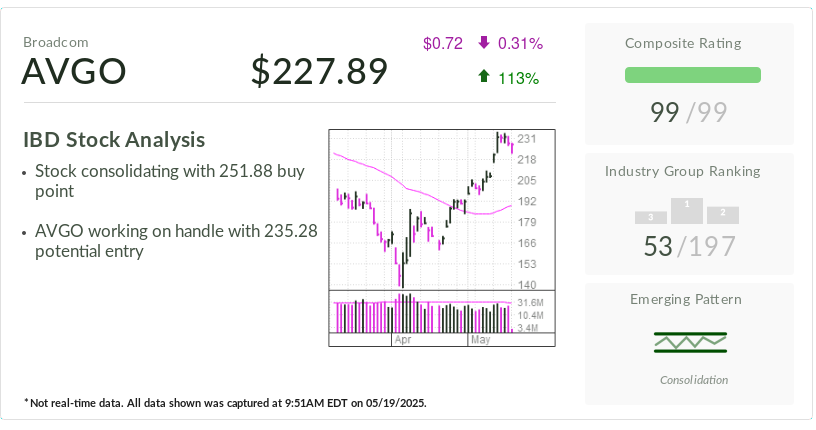
The “IBD Stock Checkup” should serve as a wake-up call, demanding scrutiny where complacency often reigns. Investors should not only rely on ratings but must dig deeper into the underlying financial health and operational efficacy of the companies they are considering. Surface-level metrics can be deceptive, leading to perilous miscalculations.
Analyzing Economic Indicators
Looking towards economic calendars can inspire a false sense of security. Often, these indicators are critically lagging metrics, leaving investors vulnerable to swift market changes. Predicting market movements based solely on these indicators without real-time insights can lead to catastrophic errors.
Conclusion: A Call for Vigilance
The terrain of market investing is treacherous, studded with pitfalls that can ensnare the unwary. A prudent approach necessitates a combination of thorough research, emotional intelligence, and strategic agility. It is not simply about playing the odds; it is about understanding a complex web of interlinked risks and realities.