The Unseen Hand: Immigration Enforcement and Its Stranglehold on US Agriculture
In an alarming turn of events, the enforcement of immigration policies reveals a stark truth: the US food and drinks industry is teetering on the brink of collapse without the labor of undocumented immigrants. Despite claims of fierce policy measures, it’s becoming painfully clear that these very policies are driving a wedge between essential labor and the economic machinery that sustains our food systems.
A Game of Political Ping-Pong: ICE Raids and Labor Shortages
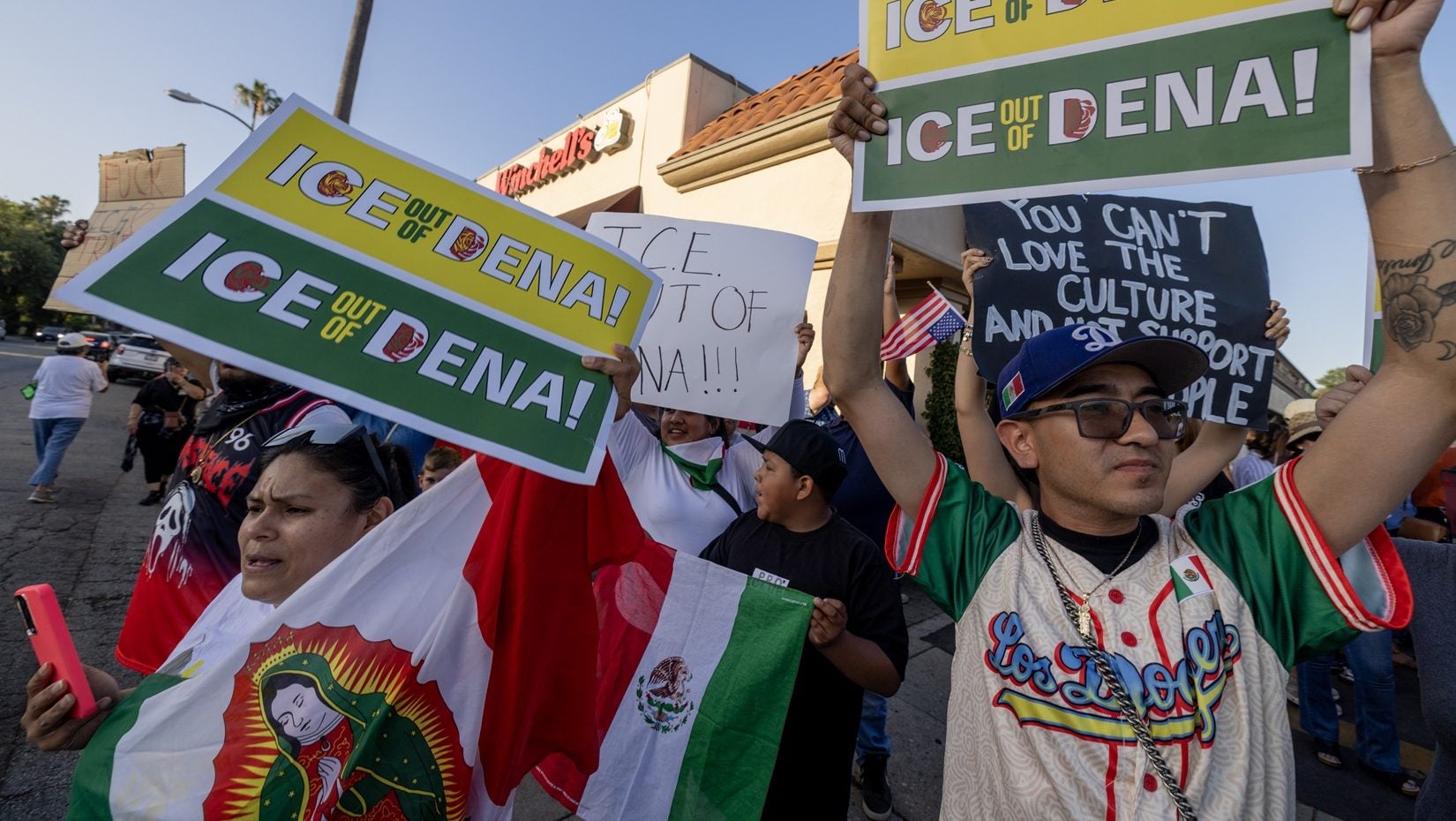
The abrupt halt of ICE raids on farms, hotels, and restaurants was a desperate attempt to quell the clamor for labor amid an unsustainable system. President Trump, in a rare moment of acknowledgment, admitted that the aggressive enforcement measures were displacing a workforce that’s irreplaceable. Yet, a flip-flop in policy reinstated the chaos, plunging industries into despair as they grapple with the fallout of his administration’s stringent measures.
The Stakeholders Cry Out: A System Built on Immigrant Labor
Voices from the agricultural sector, from farmers to industry leaders, echo a unified message: without reform, the agricultural backbone of America is crumbling. The American Farm Bureau Federation’s vehement opposition to renewed ICE raids underscores a devastating reality—their workforce is disappearing, and with it, the fruits of labor that feed the nation.
A Damning Statistics: The Dependence on Undocumented Labor
Shockingly, nearly half of the agri-food workers in the US are undocumented. This statistic isn’t just a number; it’s the foundation on which a multi-billion-dollar industry stands. Particularly in California, a state responsible for an overwhelming majority of the nation’s fresh produce, the fear instilled by these policies leads to crops left unpicked, farmers losing livelihood, and consumers facing inflated prices.
The Call for Reform: Is Anyone Listening?
Industry magnates are stepping into the fray, pleading for systemic reform. Chobani’s CEO, Hamdi Ulukaya, recently articulated that the nation’s food supply chain is under threat, warning that the aggressive deportation policies jeopardize food security. Yet, the question remains: will the voices of industry leaders be enough to inspire genuine legislative change that acknowledges the realities of labor needs?
Solutions on the Table: What Reform Could Look Like
The path to reform must move beyond empty promises. Proposals abound—modernizing the H-2A visa program to accommodate year-round jobs, creating pathways to legal status for undocumented workers, and establishing a dedicated agri-food visa that recognizes the unique challenges within this sector. These aren’t just idealistic notions; they are dire necessities for survival.
Protecting the Vulnerable: Labor Protections Needed
Immigrant workers are facing exploitation at alarming rates. Strengthening labor protections tied to immigration reform is essential. Fair wages, safe working conditions, and legal protections for whistleblowers could transform an oppressive atmosphere into one of support and respect, fostering a more sustainable workforce.
The Irony of Immigration Policy: A Reflection on Reality
It’s sheer folly to pretend that America can uphold its agri-food systems without its undocumented labor force. The system’s reliance on these workers is not a flaw but an essential function, and ignoring this reality can only lead to a cycle of failure. The question looms large: will those in power act decisively, or will they remain passive spectators while the foundation of American agriculture teeters precariously?
Let the discussions begin—not just in boardrooms but also in the halls of Congress. The need for serious immigration reform is unequivocal, not just for the agri-food industry but as a matter of ethical responsibility to those who contribute to the prosperity of this nation.
The urgency of reforming immigration policies affecting the agri-food industry poses a significant challenge—one that must be addressed if America is to avoid a crisis that could disrupt food supply chains and economic stability.
Source: Just Drinks
Source: finance.yahoo.com/news/us-food-drinks-industry-needs-125855011.html