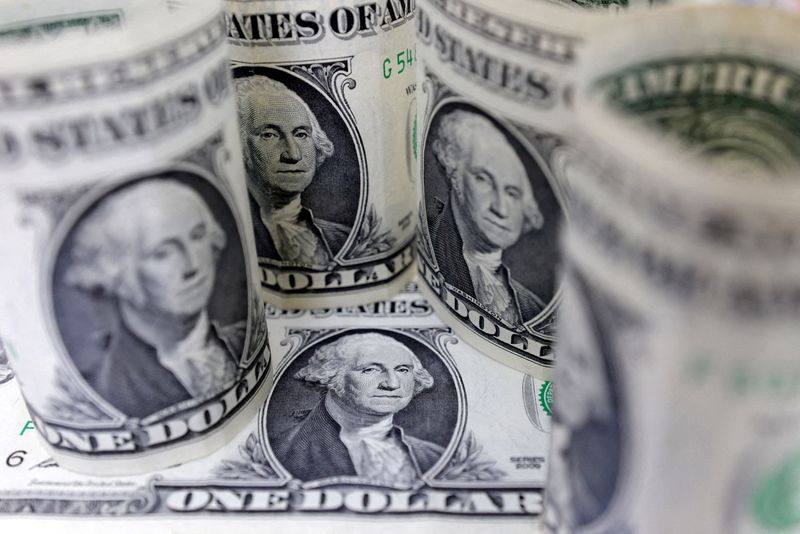
Dollar Dominance: An Illusion in a Shifting Landscape
Central bankers convened in Sintra, Portugal, issuing a clarion call that reverberates through the fabric of global finance: the U.S. dollar’s reign as the preeminent reserve currency faces no immediate overhaul. With the dollar currently commanding a staggering 58% of world reserves, the vision of its swift downfall seems relegated to the realm of fantasy. However, a cavernous rift exists within the dialogue surrounding the dollar’s supremacy.
Shifts and Uncertainties: The Political Backdrop
Amidst a backdrop of unpredictable policies, the question looms: Can the dollar maintain its iron grip? The erratic maneuvers of political figures, notably former President Donald Trump, have cast a long shadow over the currency’s reliability. Their capriciousness has fostered an atmosphere riddled with doubt among global financial leaders, igniting speculation regarding alternatives. Despite a deafening chorus of concerns, the likelihood of a paradigm shift remains nebulous at best.
Echoes of Change: The Euro’s Potential
European Central Bank President Christine Lagarde presents a cautionary yet tantalizing possibility. She posits that should the eurozone enact essential reforms, the euro could emerge as a credible rival to the dollar. The allure of a “global euro moment” hangs tantalizingly close, yet the realities of timing and effort remain stark. Lagarde’s words serve as a reminder that seismic changes in economic landscapes aren’t forged overnight; they require meticulous planning and unwavering commitment.
Structural Reforms: The Missing Piece
A consensus emerges among the governors of major central banks that the path toward competition with the dollar hinges on structural reforms. Bank of Japan Governor Kazuo Ueda highlights that Europe and China must enhance their currencies’ efficacy to pave the way for significant change. Without the robust scaffolding of efficient capital markets and seamless transaction protocols, the vision remains just that—visionary and elusive.
The Comfort of the Dollar: A Double-Edged Sword
In a paradoxical twist, Bank of Korea Governor Rhee Chang-yong observes that while discussions about shifting sentiments surrounding the dollar abound, entities continue to safeguard their dollar holdings. This cautious stance underscores the dollar’s enduring appeal; it provides a bulwark against volatility, a safe harbor in tumultuous seas. The irony of a community yearning for change while clinging to the very currency they criticize speaks volumes about the dollar’s pervasive influence.
Future Prospects: A Long Road Ahead
Bank of England Governor Andrew Bailey echoes the sentiments of caution, reiterating that expectations for an immediate shift in the dollar’s status are overly optimistic. The foundational requirements for any reserve currency—offering a supply of safe assets—remain firmly in the dollar’s favor for the foreseeable future. If 2025 is to be perceived as pivotal, it still rests on the precarious balance of geopolitical dynamics and monetary policy reform.
Conclusion: The Dollar’s Reign Remains Unchallenged… For Now
As analysis continues, the dollar stands resilient amid an evolving landscape filled with potential and peril. The whispers of change serve to remind stakeholders that the journey to a reformed currency hierarchy is steeped in complexity and fraught with uncertainty. With lagging trust and the cautious advancement of alternatives, the quest for a true challenger to the dollar extends far beyond mere discussions—it embodies a monumental ideological and structural transformation that is yet to materialize.
As the world watches, the fate of global finance hangs in the balance.
Source: finance.yahoo.com/news/challenge-dollar-supremacy-long-way-160745693.html