The Looming Shadow of Tariffs on Pharma
Brace yourselves, because the storm is brewing! Just as the pharmaceutical industry was catching its breath from a modest 25% tariff threat, US President Donald Trump unapologetically escalates the stakes. A jaw-dropping 200% tariff is now on the table, shaking the very foundations of global supply chains.
Impact of Trump’s Bombshell Announcement
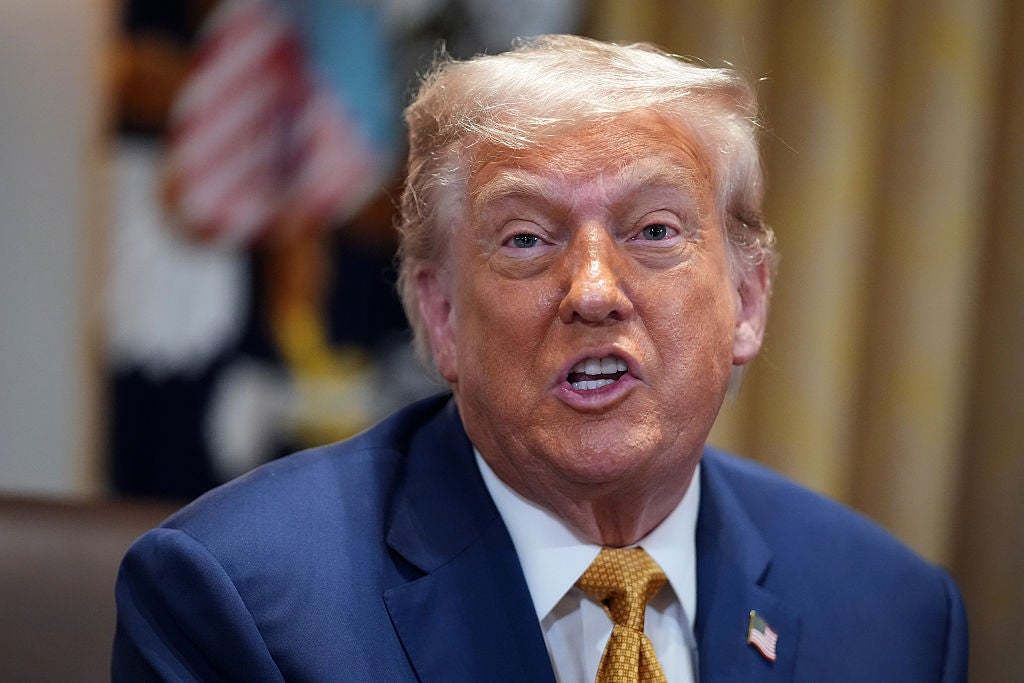
During a recent address at the White House, Trump proclaimed, “We’ll be announcing something very soon on pharmaceuticals!” with a confident air suggestive of impending upheaval. The pharmaceutical sector, already grappling with complex logistical demands and intertwined international partnerships, faces potential chaos. This drastic move marks a departure from previously promised exemptions, effectively shattering any illusion of stability.
Advisories from industry insiders
As expected, industry leaders are sounding alarms. Cyrus Fan, a research analyst, points out the delusion behind such tariff proposals. The implications extend beyond mere calculations; they threaten to unravel the intricate networks vital for drug production and distribution.
Timeframes and Realities
The audacity of suggesting a one to one-and-a-half-year grace period for these tariffs is astonishing. Industry insiders understand too well that establishing new manufacturing sites doesn’t happen overnight. It’s a long game—a battle for resources, infrastructure, and decades of built-up expertise. Good intentions alone won’t equip America to dominate pharmaceutical manufacturing just because of lofty tariffs.
Pharmaceutical Giants’ Reactions
It seems that the president’s threats have left the pharmaceutical giants feeling uneasy. Despite the certainty that shrouds Trump’s remarks, stock prices have held their ground in stable territory, yet uncertainty lurks like a predator. Eli Lilly, for instance, witnessed a dip, retreating from $791.64 down to $773.02, hovering near the precipice in response to the doubt cast by manufacturing dependencies abroad.
Global Supply Chains at Stake
The ramifications of such a tariff extend far beyond American borders. The UK’s pharmaceutical exports to the US are not merely secondary; they are essential. Marco Forgione from the Chartered Institute of Export & International Trade raises a pertinent point: isolating partnerships risks an unintended backlash—a scramble to reinforce local production that could ultimately escalate costs and diminish the availability of lifesaving medications on both sides of the Atlantic. The essential question lingers: who truly benefits from this proposed isolation?
The Complexity of the Supply Chain
Pharmaceutical supply chains have evolved into a labyrinthine architecture, interlaced with multinational players. A blanket tariff could bring significant disruption, particularly for small and medium-sized enterprises lacking the agility or resources to pivot quickly. The call for coordinated diplomacy rings louder amidst this unfolding drama, highlighting the urgent need for genuine engagement rather than overbearing extracts of policy.
Future Perspectives
Amidst the tariff threat, a glimmer of hope surfaces. Companies like Eli Lilly are taking proactive steps, pledging hefty investments in US manufacturing capabilities. With promises of $27 billion being thrown into domestic production initiatives, one must ponder—will this genuinely compensate for the impending turmoil, or will it merely serve as a band-aid over a gaping wound?
The Road Ahead
With global pharmaceutical entities such as Novartis and Sanofi echoing similar commitments, the stakes grow even higher. The road ahead is long, and the consequences of such tariff policies loom ominously. The overarching question remains: can the US truly become a self-sufficient pharmaceutical powerhouse in the face of such drastic measures, or are we witnessing the birth of a new trade warfare era?
Source: Clinical Trials Arena
Source: finance.yahoo.com/news/trump-200-tariff-threat-could-162325127.html