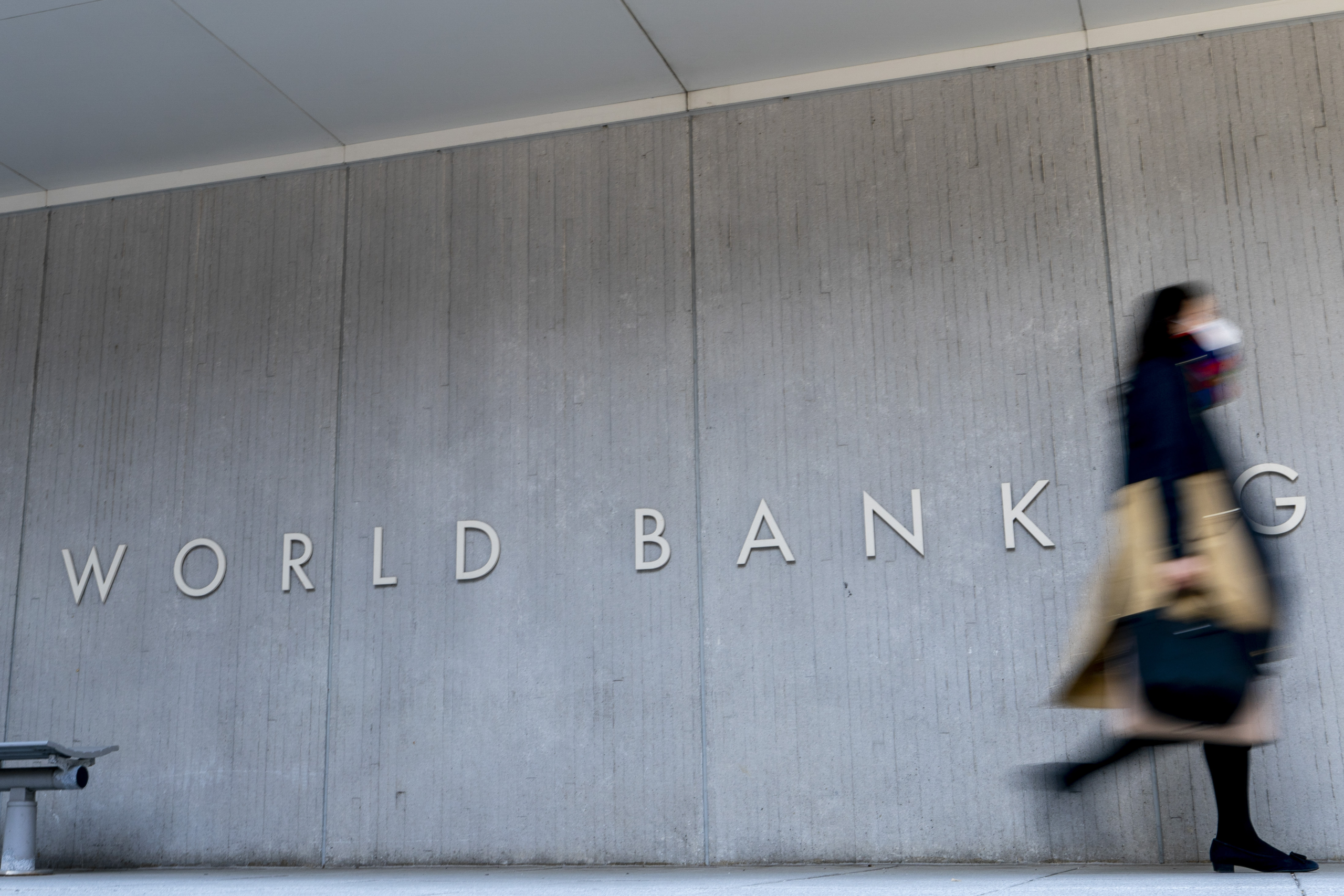
The Global Economy Crawls: A Mockery of Progress
Amidst wars, rising tariffs, and brutal interest rate hikes, the global economic engine sputters along with a feeble 2.7% growth forecast for 2025 and 2026. Yes, the numbers are steady, but let’s not mistake this stagnation for success. Compared to the roaring pre-pandemic growth of the 2010s, we’re limping behind, a sorry 0.4% below the average. The devastating aftershocks of the COVID-19 pandemic and Russia’s unrelenting invasion of Ukraine have left permanent scars, while policymakers sit idle, feigning satisfaction with these tepid gains.
Inflation Slows, But Who’s Celebrating?
Global inflation, a roaring 8% monster two years ago, is now expected to dip to 2.7%. Central banks may puff their chests in triumph, but for the world’s poorest, this is hardly a win. While they suffocate under insurmountable debt, the powers that be parade this “achievement” as though it feeds the hungry or shelters the homeless. Convenience comes cheap to those untouched by the fallout of their economic ineptitude.
Developing Economies: A Legacy of Broken Promises
For so-called “developing economies,” growth at 4.1% this year and a dismal 4% in 2026 should be a badge of shame, not progress. The past two decades have seen growth rates spiral downward from 5.9% in the 2000s to a pitiful 3.5% today. Excluding titans like China and India, these nations trail miserably behind their wealthier counterparts. Hollow words and incomplete initiatives have condemned these regions to the merciless grips of high debt, climate crises, and trade restrictions. Don’t count on these bleeding wounds to heal any time soon; those responsible remain indifferent to the suffering beneath them.
Poverty-Stricken Nations: Crushed Under the Weight of Violence
The poorest nations, where annual incomes plummet below a humiliating threshold of $1,145 per person, are consumed by conflict and despair. Growth at a contemptible 3.6% in 2024, fueled by violence in regions like Gaza and Sudan, underscores the reality: wars obliterate economies faster than development can recover them. The faint hope for a rebound—up to 5.9% in 2026—hinges on the unlikely dream of diminished conflict. A cruel joke, given the relentless escalation witnessed globally.
The United States: Defiant Growth Amid Policy Gambles
With a 2.3% GDP growth projection, the U.S. displays resilience despite sky-high interest rates and soaring inflationary risks. Strong consumer spending and labor market recovery, driven by an influx of immigrants, contrast sharply with Europe’s sluggish 1% expansion—a continent paralyzed by energy costs and weak manufacturing. The World Bank’s predictions reek of ambiguity as President-elect Donald Trump’s promised economic policies, from harsh tariffs to immigrant deportations, threaten to upend even this modest success.
China’s Decline and India’s Ascent
China, grappling with the fallout of a collapsed real estate market and disillusioned consumers, slides further into a muted 4% growth forecast for 2026. Robust investments and exports shield its descent, but the cracks are glaring. Meanwhile, India accelerates forward at 6.7%, weathering inflation with a boost from rural productivity. Yet, even this ascent is shadowed by urban uncertainties and sluggish credit channels dampening potential further.
The “Global Economics Prospects” report serves as little more than a convoluted paper shield. Beneath its veneer, lies an exposed and cynical reality: systemic dysfunction, unequal growth, and economic policies that prioritize fleeting metrics over humanity’s enduring suffering.
Source: finance.yahoo.com/news/world-bank-says-global-economy-180003794.html