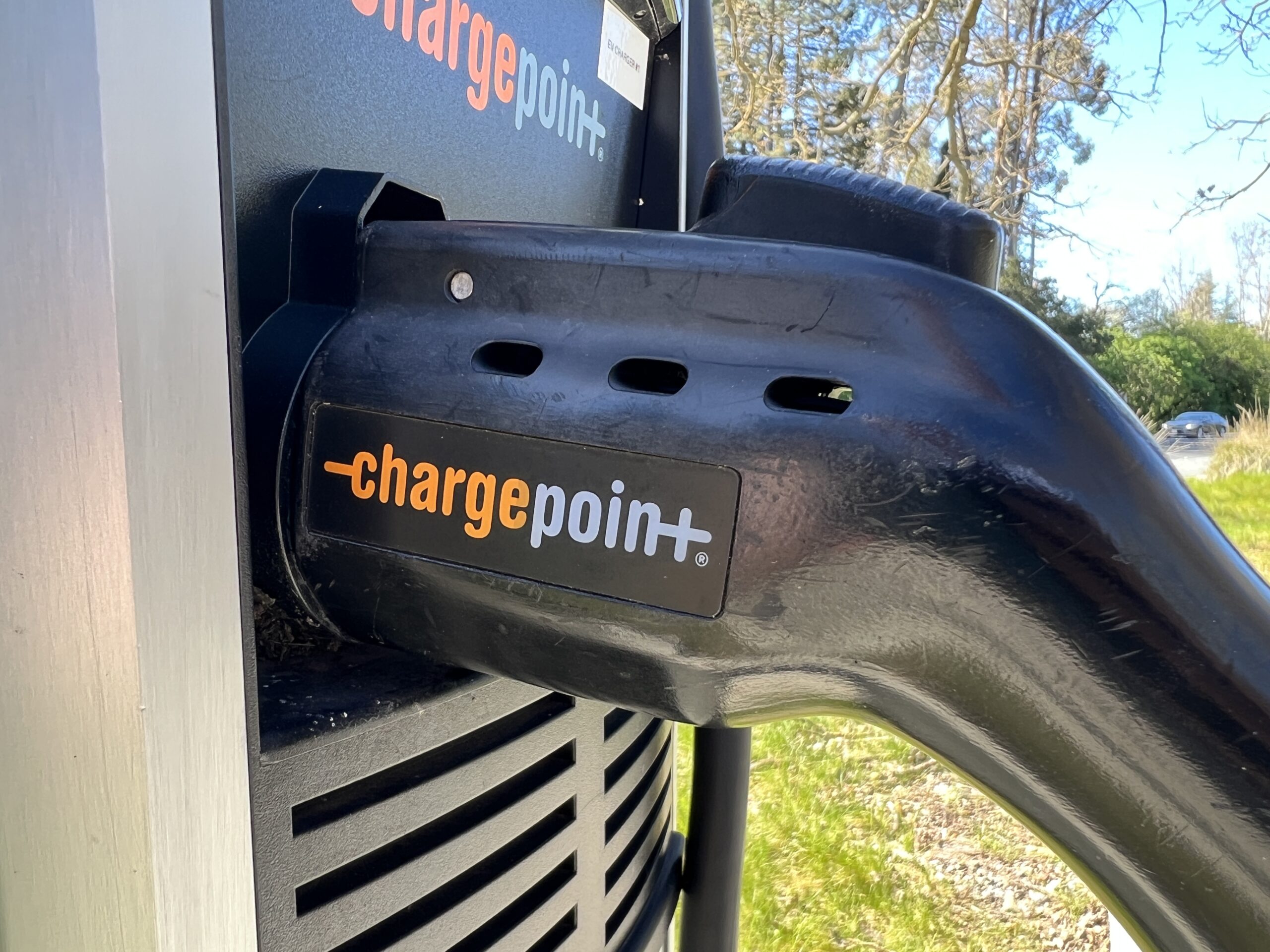
ChargePoint CEO: Anticipating a Sales Decline Post Tax Credit Expiry
The electric vehicle (EV) charging sector, though lesser-known compared to the automotive giants, is bracing for a storm. Following the expiration of the federal EV tax credit on September 30, sales forecasts for the fourth quarter have plummeted, with a staggering 46% drop anticipated in sales from the previous quarter, according to Cox Automotive’s insights.
ChargePoint, the dominant player in the U.S. charging network market with an impressive 70,000 ports—more than double Tesla’s 35,000—experienced a surge in installations just before the tax credit cutoff. Now, the critical question looms: What’s next for ChargePoint?
CEO Rick Wilmer expressed concern about the upcoming quarterly performance, predicting a pullback in sales and installations due to the pre-expiration inventory rush. “We expect a slight dip this quarter since most of our inventory was pushed before the tax incentive expired,” he stated during a discussion with Yahoo Finance.
Despite this expected slump, Wilmer remains confident in the long-term resilience of EV adoption. He cited a compelling trend where EV owners are unlikely to revert to gas vehicles, with substantial data supporting a strong preference for electric options once consumers make the initial switch.
The CEO, who boasts three decades of experience in Silicon Valley and was recently named in the Time100 Climate list, sees the combination of innovative new products and decreasing prices as pivotal for the sector’s recovery. Companies like Ford are making notable announcements regarding their new Universal EV Platform, while new entrants such as Slate are aiming to release affordable, customizable pickup trucks. Wilmer is optimistic that these advancements will solidify the electric vehicle’s market position despite losing the tax credit.
In ChargePoint’s fiscal Q3 report for 2026, while the revenue experienced growth correlated with rising EV sales and improving gross margins, the company still disclosed an adjusted EBITDA loss. Investors are left wondering how ChargePoint plans to shift towards profitability amid these potential challenges.
“The number of EVs on the road will not dwindle. The used EV market is robust, and plug-in hybrid sales remain strong—they all need charging stations,” Wilmer asserted, countering fears of a bleak outlook.
International expansion, particularly in Europe, is a crucial area poised for growth. According to Wilmer, the European market presents a friendlier environment compared to North America, with ChargePoint’s new products designed for a global audience. “We aim to significantly boost our revenue in Europe, where we operate 39,000 DC fast chargers and over 127,000 ports,” he mentioned.
Back in the U.S., ChargePoint is focusing on commercial installations across diverse venues—workplaces, parking lots, fast-food chains, and retail spaces. These strategic placements are not just about convenience; they are essential for attracting customers who drive these vehicles. Wilmer emphasized, “Businesses must cater to EV drivers or risk losing foot traffic. If charging options aren’t provided, customers will choose alternative venues.”
As the EV ecosystem reaches a pivotal juncture in its growth trajectory, ChargePoint and its contemporaries are left to navigate this transitional phase—one where electric vehicles are increasingly becoming a necessity rather than a novelty.
Source: Yahoo Finance