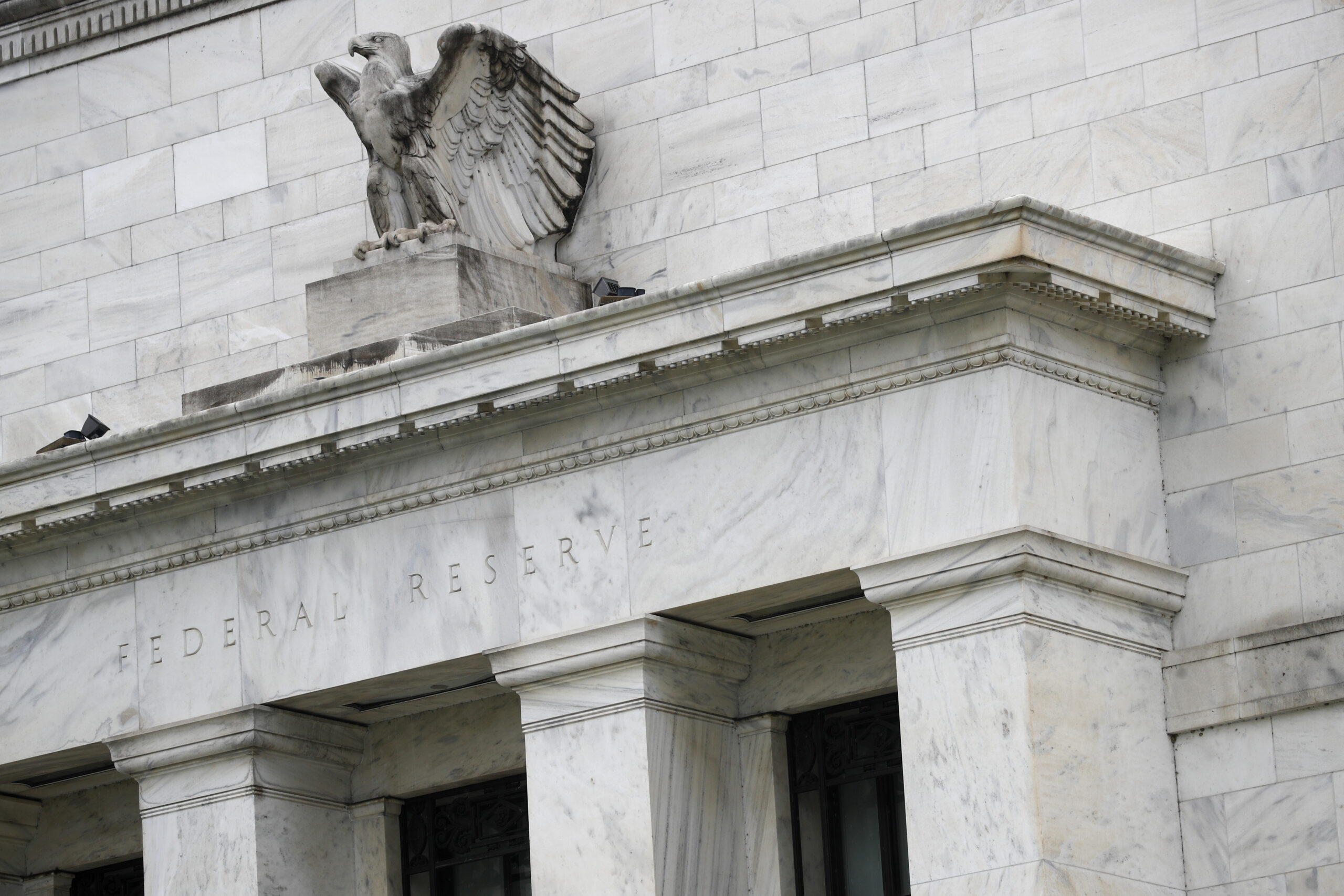
Federal Reserve Faces Policy Shift in 2026
As the Federal Reserve’s last policy meeting of the year approaches, uncertainty lingers over whether interest rates will be lowered for a third time. However, significant changes in the committee’s composition are emerging, hinting at a potential shift in monetary policy for the coming year.
Recently, Atlanta Fed president Raphael Bostic announced his impending retirement set for February, creating a vacancy that a hawk currently occupies. The appointment of a successor with a more dovish perspective could influence the direction of interest rate decisions, even though the Atlanta Fed does not hold a voting status until 2027. Analyst Marco Casiraghi from Evercore ISI suggests that while non-voting members may lack formal authority, they can significantly impact policy discussions.
Bostic’s departure comes at a pivotal time as the Fed’s Board of Governors in Washington prepares to reappoint all 12 regional bank presidents for new five-year terms, a process typically seen as standard and routine. Complicating matters, there are growing concerns about whether the Trump administration might seek to exert influence during these reappointments.
In a potential twist, the Supreme Court is expected to rule in January on whether Fed governor Lisa Cook—appointed by Biden—could be dismissed by Trump. A ruling in Trump’s favor would create another opportunity for him to appoint a governor aligned with his interest in lowering rates, thus further tilting the balance of the Federal Reserve board.
Adding to the tension, Trump’s discontent over the rising costs associated with the renovation of the Fed’s Washington headquarters—an increase from an initial $1.9 billion estimate to an additional $600 million—has led him to contemplate dismissing the current Fed chair, Jerome Powell, who has resisted calls for more aggressive rate cuts.
The Implications of Leadership Changes at the Fed
As shifts in leadership loom, Boston Fed president Susan Collins has stated that while she supports recent rate cuts, future reductions face a “relatively high” threshold. This sentiment echoes throughout the current hawkish voting members of the Fed, as inflation remains stubbornly around 3%. Current sentiments suggest that there is an eagerness to maintain financial stability without excessive easing of monetary policy.
On the other hand, the upcoming year will see annual rotations within the regional Fed presidents. Voting membership for the 2026 term will see the Cleveland, Dallas, Philadelphia, and Minneapolis Fed presidents take their seats, sidelining the Kansas City, Chicago, Boston, and St. Louis presidents who have leaned towards more hawkish policies. Their departure may introduce a voice of moderation in upcoming debates.
Diverging Views and Potential Factions
Observations made by economic analysts indicate that next year’s board may present a complex landscape, with divided opinions likely emerging. The incoming hawkish presidents may favor stricter controls on inflation, contrasting with a dovish board inclined towards rate cuts designed to nurture economic growth. Chief economist Gregory Daco of EY-Parthenon warns against viewing the Fed as falling into strictly defined factions, suggesting instead a spectrum of perspectives.
Former Cleveland Fed president Loretta Mester optimistically notes that the Fed’s institutional strength lies in its ability to navigate leadership changes without disruption, maintaining a focus on the mandates outlined in the Federal Reserve Act. This internal stability may be vital as the institution grapples with potentially contradictory leadership styles moving forward.
Ultimately, the decisions that will emerge from the Fed in 2026 will shed light on not just the economy’s direction but also on the administration’s influence over monetary policy, raising critical questions about independence and effectiveness within the United States’ central banking system.
Source: Yahoo Finance
Source: finance.yahoo.com/news/fed-reshuffling-is-coming-but-2026-still-looks-divided-130022025.html