Is Customer Loyalty a Thing of the Past or Are You Just Negotiating Poorly?
In today’s world, if your internet bill inexplicably spikes by $12, your airline miles suddenly lose their value, or your streaming subscription surreptitiously adds extra fees, know this: it’s not just your imagination. This phenomenon, termed the “loyalty penalty,” has stealthily become one of the most effective mechanisms for companies to boost their profit margins. You remain a loyal customer, and as prices sneak upward, your loyalty ends up costing you more than you expected.
The High Cost of Loyalty
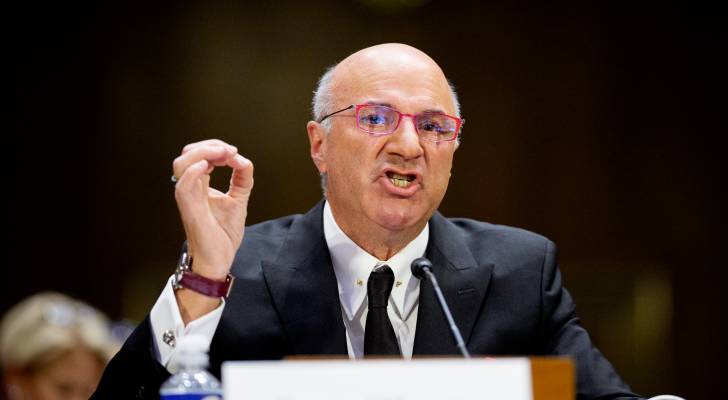
Here’s the reality check: Many subscribers to various services are unaware that these price hikes are often negotiable. Kevin O’Leary, renowned investor and “Shark Tank” star, combats these creeping costs by directly requesting to speak with a retention officer whenever his bills suddenly rise. This strategic decision can prove invaluable.
Why a Retention Officer is Your Best Ally
When facing an unexpected price increase, contacting the right representative can make all the difference. O’Leary emphasizes the importance of bypassing the general sales representatives and speaking to those specifically tasked with retention—individuals empowered to provide discounts and waive fees. Retention officers can offer crucial advantages such as reinstating promotional rates, granting loyalty perks, and even matching competitor prices.
Understanding the Business of Retaining Customers
According to the financial software firm Vena Solutions, when customers elevate their calls to retention services, these teams can effectively retain between 67% to 84% of accounts by providing appealing incentives. This is because companies recognize that acquiring new customers can cost significantly more than keeping existing ones. In fact, about 65% of a company’s revenue often stems from loyal clients, pushing businesses to find ways to maintain this customer base.
The Loyalty Penalty: How It Drains Your Wallet
The disturbing truth is that companies have realized most customers won’t go through the hassle of switching providers. As a result, loyalty programs and long-term relationships with customers can morph into traps, camouflaging the often-increasing costs.
For example, consider the pricing trends:
– Streaming services: In 2024, major platforms like Netflix, Disney+, and HBO Max raised their prices by roughly 20%.
– Internet and cable bills: The average yearly expense for U.S. households now stands at approximately $1,063, and these figures usually climb once promotional offers end.
– Car insurance costs soared to peaks of 23% in 2024 due to various factors, including rising repair costs and litigation expenses.
– Airline loyalty programs have devalued their points by about 36% since 2019, making it increasingly difficult for frequent flyers to redeem their rewards without incurring additional fees.
How Loyalty Programs Can Constrict Your Finances
Loyalty rewards, points systems, and auto-renewal subscriptions might seem beneficial, yet they frequently disguise actual savings while costs slowly increase. Here are some common tactics that ultimately end up costing you more:
– Tiered systems prompt overspending as consumers feel compelled to keep spending to maintain their elite status…
– Auto-renewals conceal pricing hikes, seeing as many subscribe to services without closely scrutinizing their billing statements.
– Points and rewards can subtly depreciate in value, resulting in you needing more points than before for the same rewards.
– Competitors often lure new clients with attractive rates, while existing ones may pay substantially more without knowing viable options exist.
Negotiating Your Bills Down
When reaching out to your provider, preparation is critical. Here are some effective strategies:
1. **Do Your Research**: Familiarize yourself with promotions available to new customers and gather quotes from competitors to reference.
2. **Ask for Your Previous Rate**: Requesting your former promotional price is a viable tactic, as many companies would prefer to extend a discount rather than lose you.
3. **Discuss Additional Perks**: If a discount on your bill isn’t feasible, negotiate add-ons, such as complimentary service months or waived upgrade fees, to mitigate expenses.
The bottom line is that organizations anticipate inaction from their customers. A simple phone call could reverse your escalating bills. Even if the initial representative declines your request, you still possess leverage: consider competing rates, new-customer promotions, or bundling services from alternative providers to yield greater savings than a singular discount could offer.
Always remember: you are not trapped; viable options exist to stabilize your expenses.
Sources: Kevin O’Leary; Vena Solutions; Outbound Engine; ThinkImpact; MentalFloss; LiveNowFox; Yahoo Finance.
Source: finance.yahoo.com/news/customer-loyalty-dead-just-bad-121500153.html